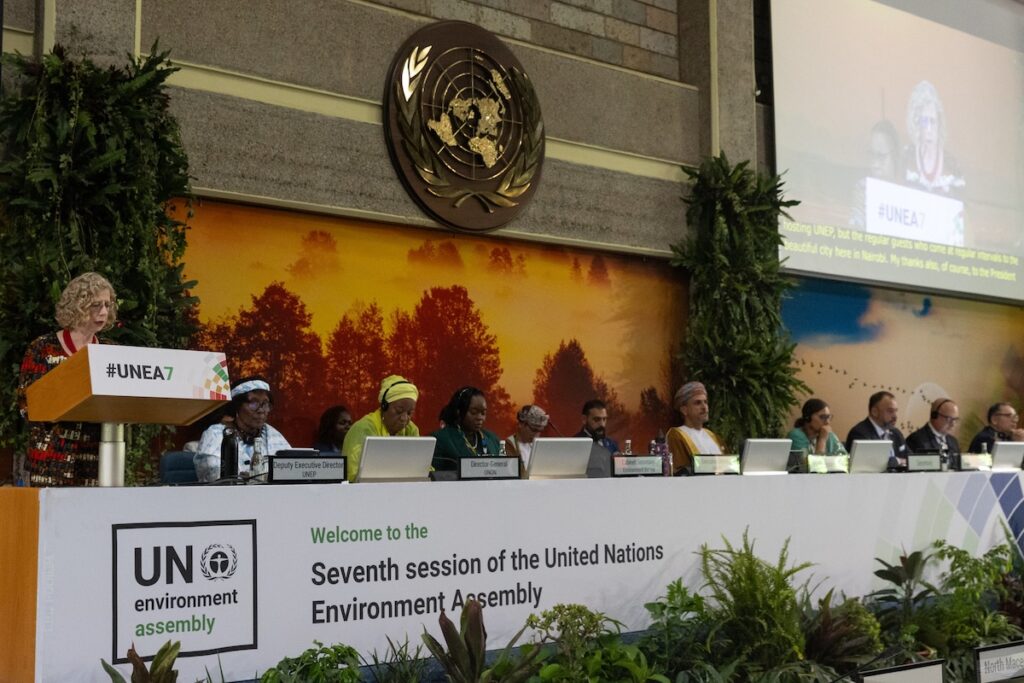

As the United Nations Environment Assembly (UNEA-7) gets underway in Nairobi, attention is firmly fixed on the 15 resolutions that could shape global environmental action for years to come.
While diplomacy is strained and countries remain divided on broader political issues, these resolutions represent the real work of UNEA, where nations try to turn scientific warnings into concrete policies.
The resolutions cover an unusually wide range of challenges, reflecting the scale and complexity of today’s environmental crises. Some target long-standing problems like chemical pollution and waste, while others enter new territory, such as the environmental risks of artificial intelligence and the booming demand for minerals needed for clean energy technologies.
Although UNEA resolutions are not legally binding, they often inspire new national laws, influence global agreements, and signal political direction. But reaching consensus will not be easy. Technical negotiations last week exposed deep divisions, and civil society groups warn that some countries are trying to dilute or derail progress.
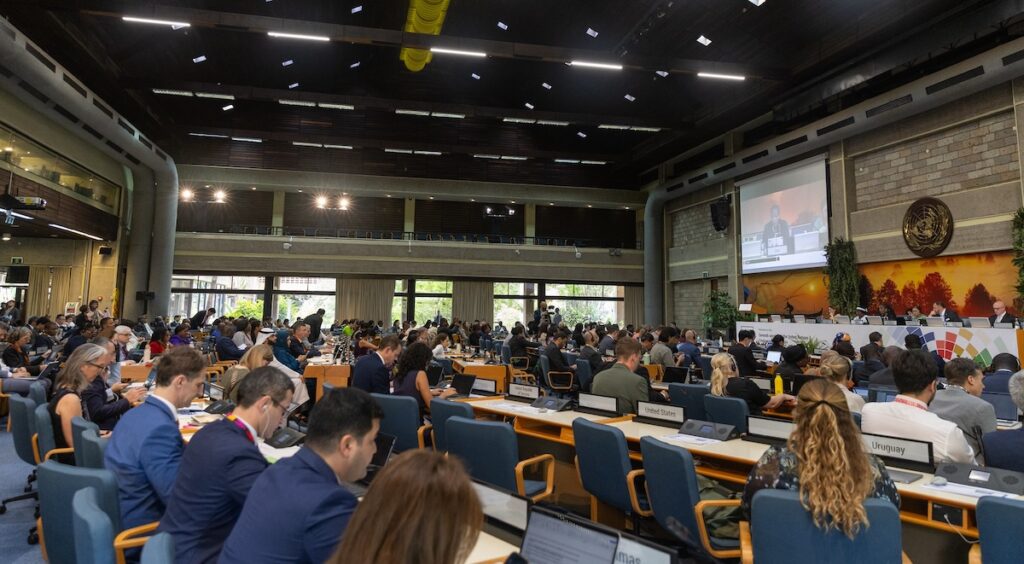
Still, the 15 resolutions offer a rare moment of opportunity as they capture the world’s most urgent environmental battles. Here are some of the key resolutions on the table.
Glaciers, climate risks and vanishing water sources: This is one of the most urgent resolutions seeks global cooperation to protect the world’s rapidly melting glaciers. Scientists warn that communities depending on glacier-fed rivers face growing risks of drought and water shortages. UNEA delegates hope to strengthen monitoring, research, and adaptation plans before more countries face water insecurity.
Managing massive seaweed blooms: Another resolution focuses on the growing problem of massive seaweed blooms, especially sargassum, which are choking coastlines, damaging fisheries, and disrupting tourism in many regions. Countries are pushing for coordinated action to track blooms, share data, and support affected coastal communities.
The environmental footprint of Artificial Intelligence: In a sign of changing times, UNEA-7 will debate the environmental impact of artificial intelligence. Delegates want to examine how AI systems consume energy, drive mineral demand, and contribute to electronic waste, and to ensure that innovation does not worsen climate or pollution problems.
Minerals and metals for the energy transition: A major resolution looks at the mining boom behind the global shift to renewable energy. As demand for lithium, copper, cobalt and rare earths rises, countries want stronger global guidance on responsible mining, community protection, and fair access to critical minerals, especially for developing nations.

Circular economy and waste reduction: Long-standing issues also return to the table. Several resolutions aim to cut waste, promote recycling, and support a global shift toward circular economies. These proposals build on earlier UNEA decisions and seek stronger commitments from governments and industry.
Chemicals, pesticides and toxic pollution: Another major cluster of resolutions deals with harmful chemicals. Delegates are expected to push for stricter controls, better monitoring, and stronger support for countries struggling with toxic waste and pesticide regulation. Africa, in particular, is pushing for tougher measures to protect communities from hazardous substances.
Nature protection and ecosystem restoration: Some resolutions focus on restoring degraded land, protecting biodiversity, and supporting community-led conservation efforts. These discussions align closely with global targets to halt biodiversity loss by 2030.
The plastics treaty shadow: While not a resolution by itself, several proposals relate to the ongoing negotiations for a global plastics treaty. With the process moving slower than expected, UNEA-7 offers a chance for countries to reaffirm commitments and push for stronger action against plastic pollution.
For now, the world watches to see whether UNEA-7 can turn these proposals into meaningful action at a time when the planet needs it most.