
The successful joint management of Nairobi’s Karura Forest, a model partnership between the Friends of Karura Forest (FKF) and the Kenya Forest Service (KFS), has been reaffirmed following a brief but disruptive crisis in late August 2025 . A new agreement is now in place, establishing a clear path for the forest’s continued harmonious operation.
The dispute, which began when KFS took over gate operations and mandated eCitizen payments, had threatened the financial autonomy of the community-led conservation model. Recent concessions signal a significant return to stability and the restoration of the successful public-private partnership.
FKF has confirmed that its Gate Clerks and staff have returned to their posts, resuming ticketing for entry, parking, and other activities. This restoration of personnel is vital for maintaining the forest’s high standards of security and maintenance.
Crucially, the financial flow has been resolved to ensure the forest’s sustainability. All funds collected from entry fees, parking, and passes via the eCitizen platform are now channeled directly to the Karura account, which is jointly run by FKF and KFS, every two days.
This swift return of funds allows FKF to continue paying staff and contractors, restoring the forest, and maintaining facilities. The 2025–26 annual Karura Workplan and Budget has been signed, confirming the financial viability and operational continuity of the forest’s management.
The new eCitizen payment system has also been refined, resulting in a more favorable fee structure for visitors. The entry price now includes a pro-rated eCitizen convenience fee, replacing the initial flat KSh50 rate.
An adult citizen entering alone now pays KSh121, which includes the KSh100 entrance fee, KSh16 VAT, and a KSh5 convenience fee. This is a significant reduction from the KSh174 fee reported during the height of the dispute.
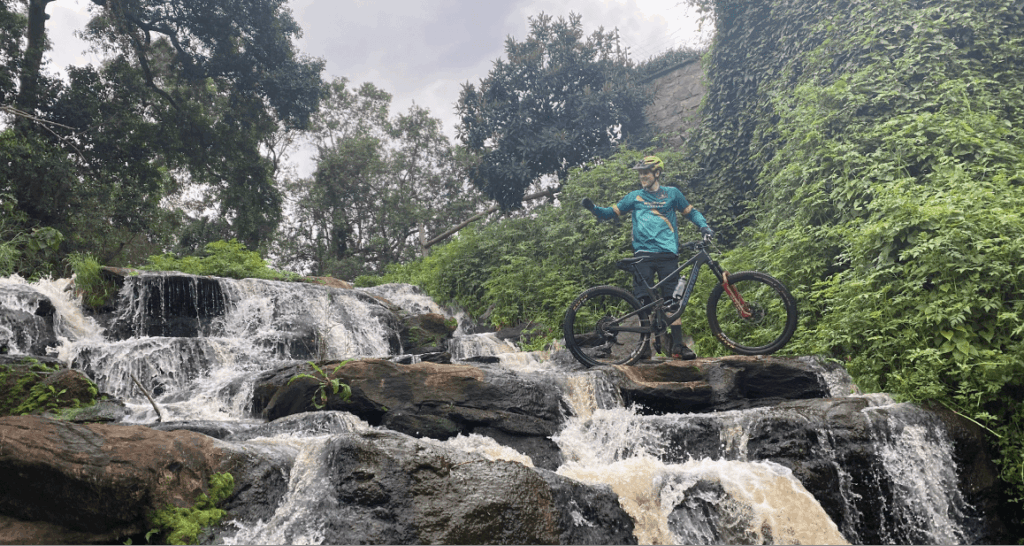
Despite this progress, a key outstanding issue remains: the KFS’s refusal to allow FKF to restart its own revenue-generating activities. These include bike-hire, eco tours, the tree nursery, and the sale of merchandise.
Funds from these activities previously supported under-privileged communities bordering the forest with school bursaries and subsidized school visits. FKF argues this revenue is not connected to government services and should not be paid through eCitizen, pressing for the immediate restart of these community-focused programs.
The stabilization of the core management and financial systems at Karura Forest is a victory for the long-standing partnership. However, the fight for the financial independence of FKF’s community-focused activities highlights the delicate balance required to preserve Karura as “the People’s Forest.”