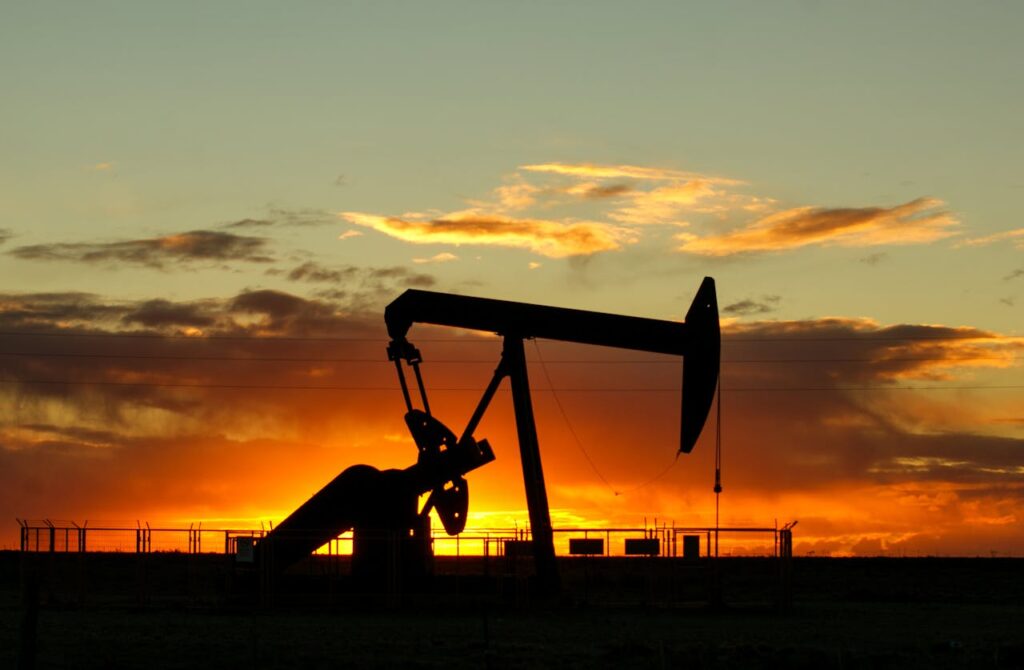

The world’s relentless thirst for crude oil has once again overshadowed the urgent global mandate for climate action. Recent geopolitical maneuvers in the Caribbean, centered on Venezuela’s massive oil reserves, reveal a stark truth about where the priorities of global powers truly lie.
Venezuela holds the largest proven oil reserves on the planet, a staggering 300 billion barrels, making it an irresistible prize in the great power competition. This immense wealth is the silent, dark engine driving the current international crisis.
The intentional capture and extraction of the Venezuelan leader by the United States is widely viewed as a strategic play to unlock this resource and reshape the global energy market. It is a move designed to secure fossil fuel dominance and undercut rivals like Russia and China, who have long held influence in Caracas.
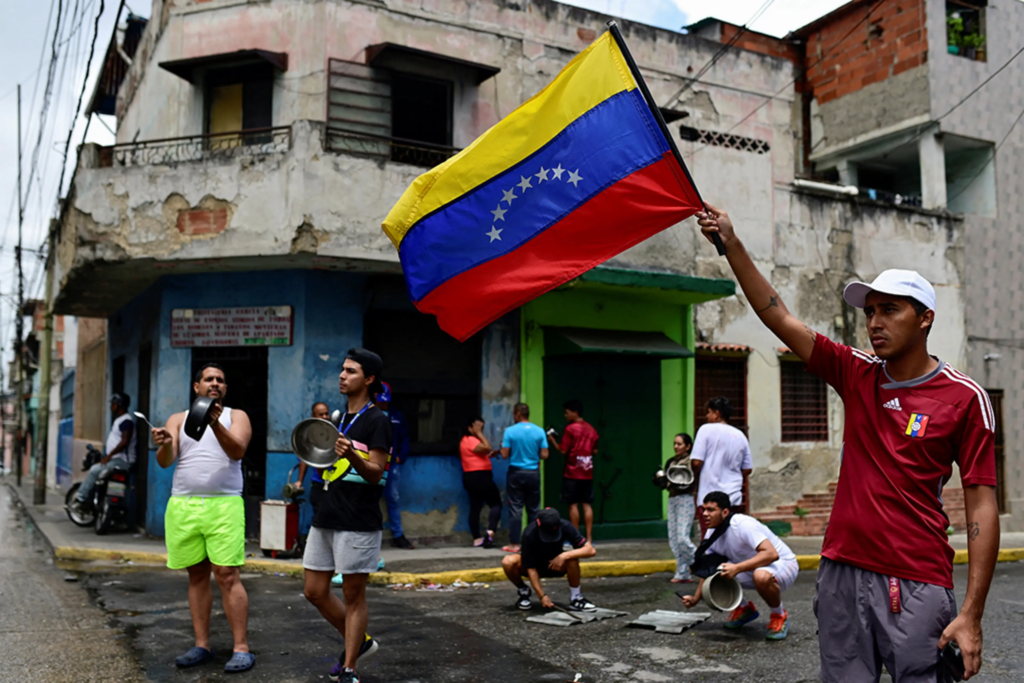
This tactical pursuit of oil is fundamentally at odds with the global push for a rapid transition to green energy. The stability of the oil price, a key goal of the US intervention, directly undermines the economic viability of new renewable projects worldwide.
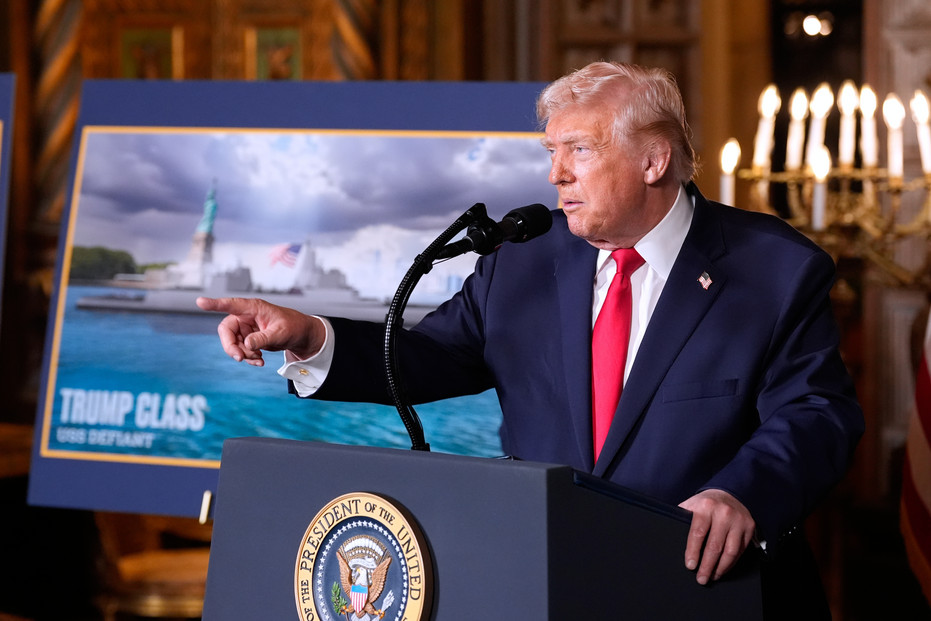
This tension is exacerbated by the rhetoric emanating from the highest levels of power. President Donald Trump has repeatedly dismissed the green energy agenda as a “scam” and a “hoax”.
His administration’s policy of “Energy Dominance” prioritizes fossil fuel extraction and has included a second withdrawal from the Paris Agreement, sending a clear signal of retreat from global climate commitments.
This skepticism creates a profound fracture in the global climate coalition, forcing allies like the European Union to navigate a difficult path between their green goals and the shifting geopolitical landscape. The resulting squabble over energy futures slows down the momentum needed for collective action.
For Africa, this first-world fixation on oil is not a distant political drama; it is an existential threat. The continent is already bearing the brunt of a climate crisis it did little to cause, facing devastating and escalating impacts.
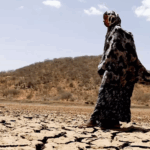
From the Sahel’s relentless droughts that push communities to the brink, to the catastrophic floods in the East that wash away infrastructure and livelihoods, Africa is aggressively ravaged by a warming world.
The US pullback from climate finance, a direct consequence of prioritizing fossil fuels, leaves a gaping hole in the funding needed for adaptation and mitigation across the continent. African nations are left bare, struggling to build resilience with severely limited resources.
This crisis of abandonment is forcing African leaders to assert a new form of agency. They are demanding climate justice and pushing back against the narrative that they must wait for the West to resolve its internal energy conflicts.
The continent is strategically leveraging its vast deposits of critical transition minerals, such as cobalt, lithium, and copper, which are essential for the world’s electric vehicle batteries and renewable technologies.
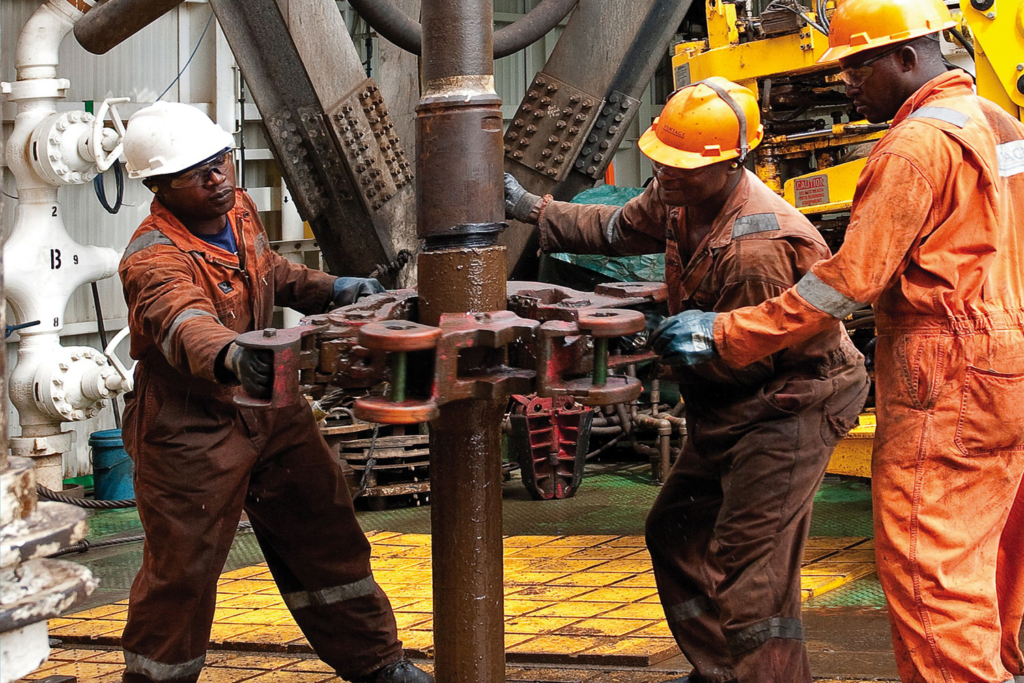
This is not just about extraction; African nations are demanding investment in local processing and green industrialization to ensure that the wealth from this new energy economy stays on the continent.
The global scramble for these minerals, driven by the same major powers vying for Venezuelan oil, presents a double-edged sword. It is an opportunity for economic growth but also a risk of new forms of resource exploitation.
Ultimately, the crisis in Venezuela and the anti-green rhetoric serve as a stark reminder that the old economy of oil still holds immense sway. It is a powerful force that threatens to sideline the urgent needs of the Global South.
The resilience of African communities, however, is not dependent on the whims of distant powers. It is rooted in local innovation and a unified demand for a just transition that puts people and planet before profit and geopolitical gain.
The world must choose: will it continue to chase the ghost of crude oil, or will it finally invest in the future of a climate-resilient Africa?