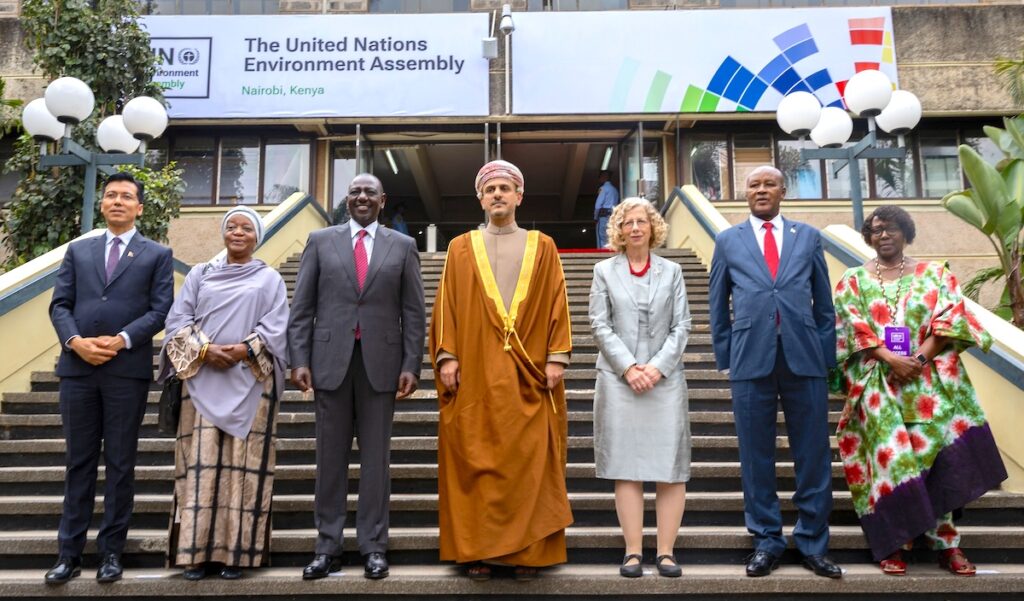
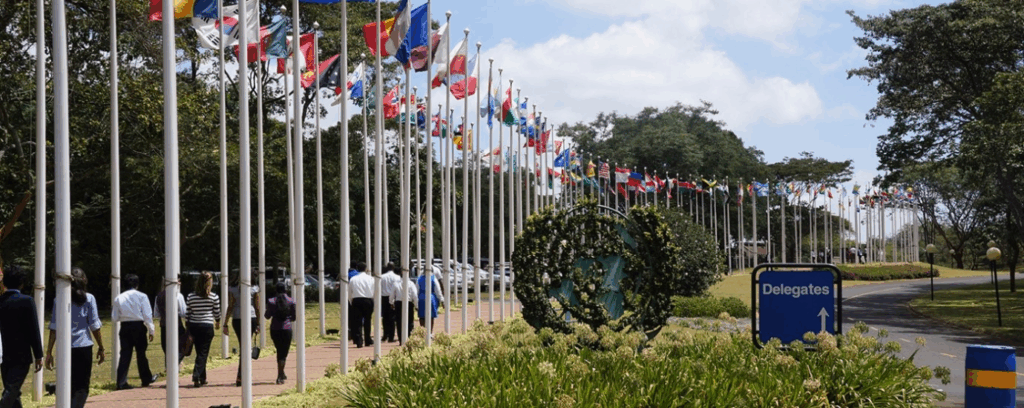
UNEA-7 concluded in Nairobi with landmark resolutions addressing climate change, biodiversity loss, and pollution, reaffirming Africa’s central role in global environmental leadership. The outcomes set the stage for accelerated implementation of sustainable solutions worldwide.
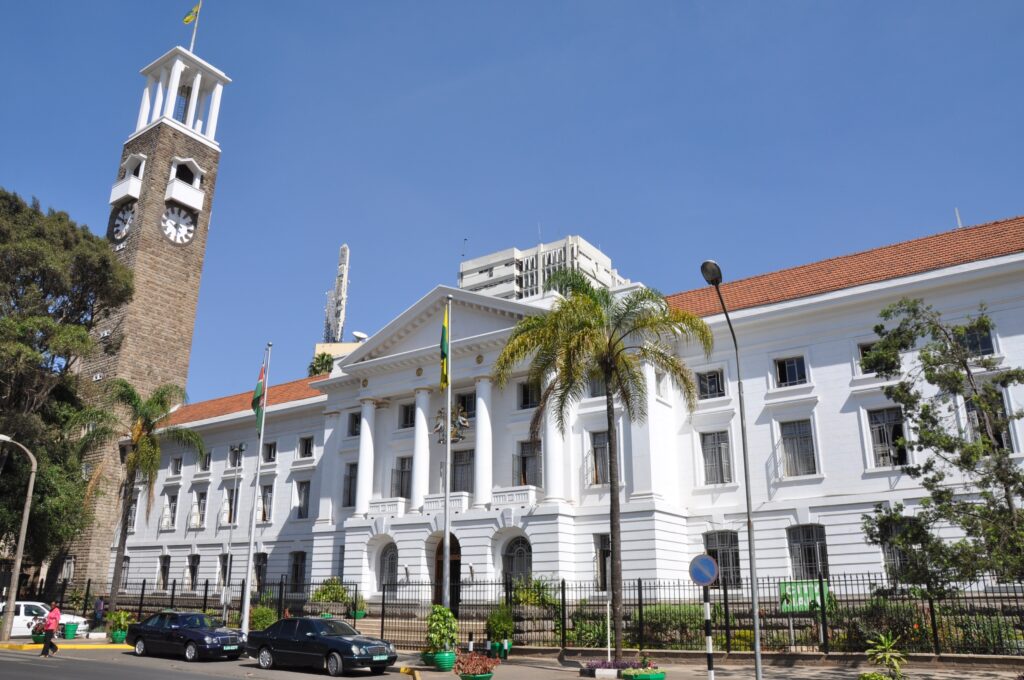
Nairobi’s new six-month development amnesty has sparked a heated clash between urban planning goals and environmental protection. While the County Government argues it will help formalize unsafe or unapproved buildings, critics warn it legitimizes construction on riparian zones and wetlands—undermining years of environmental enforcement and increasing the city’s climate vulnerability.
Africa enters UNEA-7 demanding fair, accessible climate finance. Despite global pledges, funding remains far below what frontline communities, wildlife, and conservancies need. Leaders are pushing for equitable financing and real action to protect ecosystems and build climate resilience.
After 10,000 years of silence, Ethiopia’s Hayli Gubbi volcano erupted, sending ash 45,000 feet into the jet stream and across continents. A rare, once-in-a-millennia geological awakening with global impact.
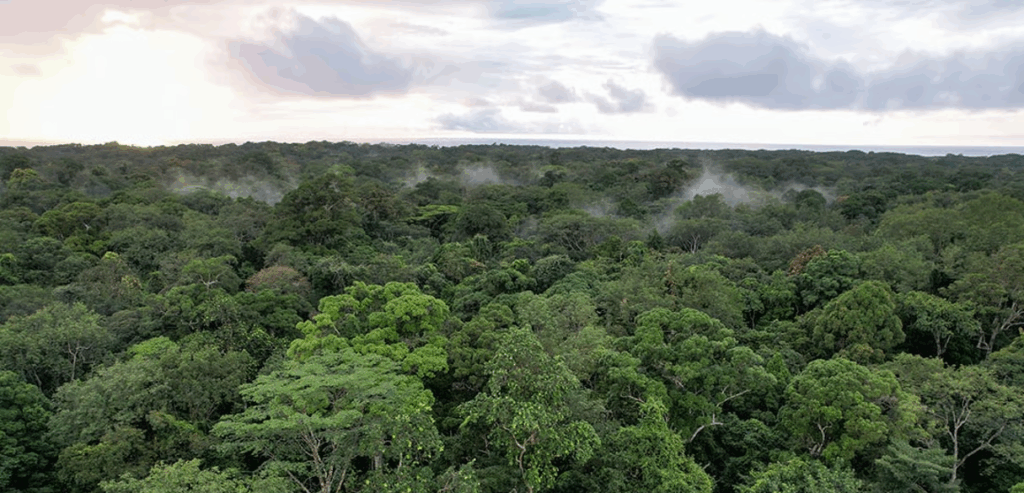
Gabon has signed a landmark conservation deal to protect 34,000 square kilometres of rainforest, strengthening the rise of the Project Finance for Permanence model in Africa. Kenya is now preparing its own PFP framework to secure long-term funding for critical ecosystems and community conservancies.
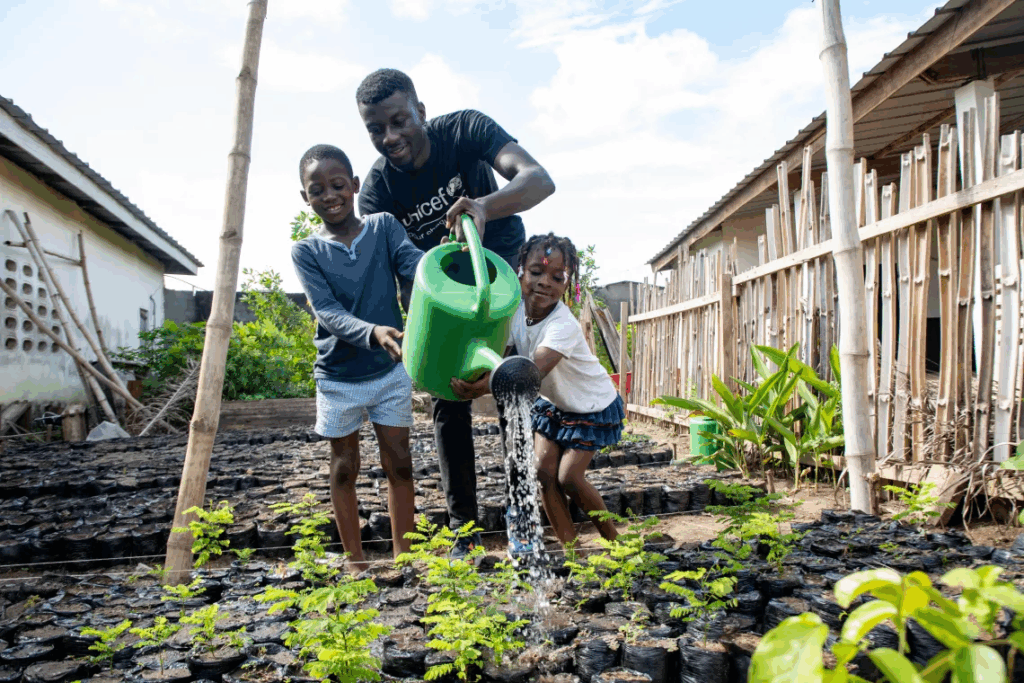
UNESCO reports that over 96,000 schools in 93 countries have adopted green practices as education systems accelerate efforts to integrate sustainability into learning. While progress is strong, especially in Africa, many schools still lack resources—highlighting the need for greater investment in climate-ready education.
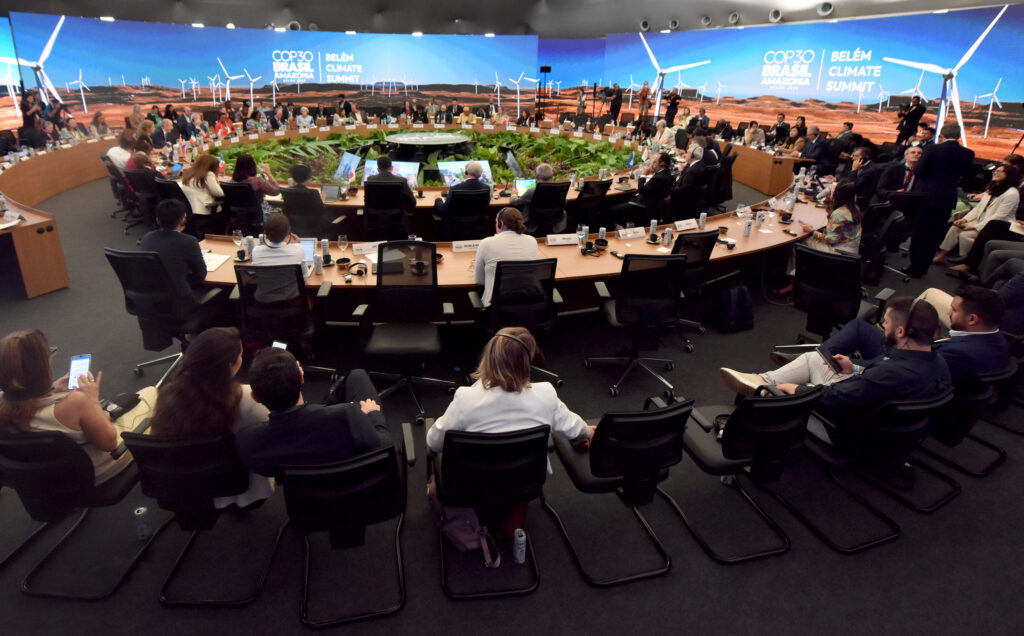
A new WMO climate bulletin released as COP30 unfolds in Belém warns that the planet is warming at an accelerated pace, with rising seas, extreme weather, and record-breaking temperatures defining the decade. The report urges governments to act decisively as the world nears the 1.5°C threshold.