Kenya has committed Sh124.8 billion to climate action in the 2026/27 budget, making environmental resilience a key national priority. The funding targets water infrastructure, forest restoration, carbon markets, climate adaptation, disaster preparedness, and agricultural resilience.
The Kenya Met Department has forecast that El Niño will bring varying weather conditions across the country, with some regions experiencing below-average rainfall while others receive increased precipitation. Experts are urging communities, farmers, and county governments to prepare early for the heightened risk of floods and weather-related disasters during the 2026 short-rains season.
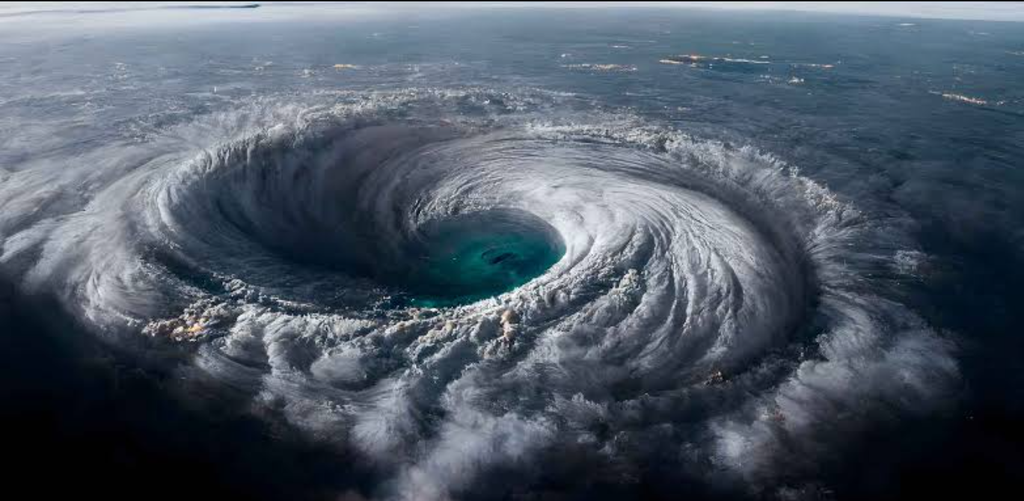
The arrival of El Niño has renewed global preparedness efforts as forecasters warn the climate phenomenon could strengthen into a very strong event by late 2026. Experts are urging governments and communities to use advanced forecasts to prepare for potential floods, infrastructure damage, disease outbreaks, and other climate-related impacts.
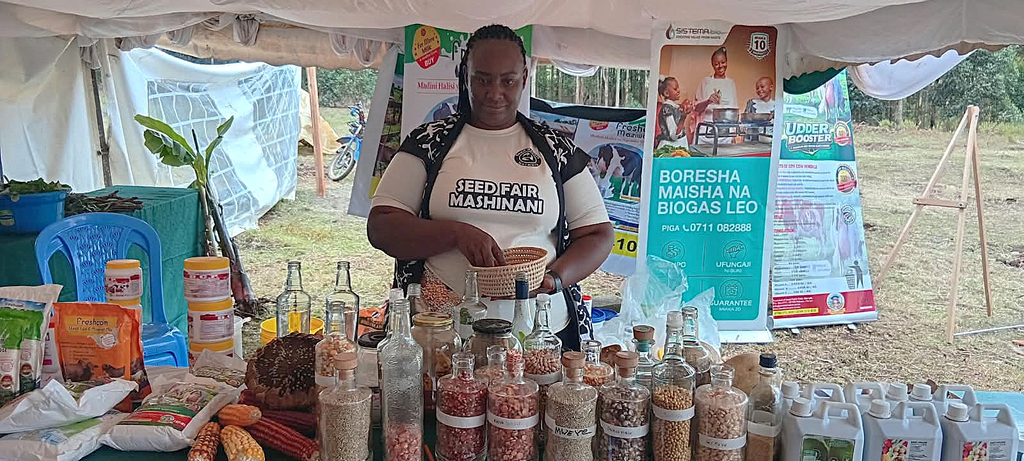
As Kenya moves to revise its seed laws, farmers and conservation groups are advocating for stronger protection of indigenous seeds. They argue that preserving traditional crop varieties is vital for food security, climate resilience, and safeguarding farmers’ rights to save, exchange, and sell seeds.
Persons with disabilities in Nairobi's informal settlements face disproportionate risks during floods due to poor infrastructure, inaccessible emergency response systems, and inadequate disaster preparedness. As climate-related disasters intensify, advocates are calling for inclusive planning, improved drainage, and stronger protections to uphold the dignity and safety of vulnerable communities.
The probability of an El Niño event developing has surged to 82%, according to NOAA, with forecasts suggesting it could persist into early 2027. Scientists warn that a strong El Niño could intensify global climate impacts, bringing droughts, floods, heatwaves, and agricultural disruptions across many regions, including Africa.
Kenya has become the first African country to secure technical assistance from the Santiago Network on Loss and Damage, receiving USD 700,000 to assess a decade of climate-related losses.
Lake Chad has lost nearly 90% of its surface area, threatening the livelihoods of more than 40 million people across Central and West Africa. A controversial US$50 billion proposal to redirect water from the Congo River Basin could revive the shrinking lake, but critics warn it may trigger serious environmental consequences elsewhere.
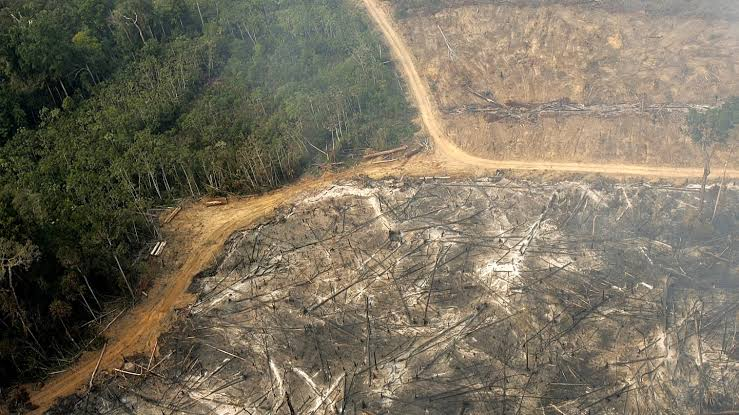
Africa’s growing role in supplying critical minerals for the global clean energy transition is coming at a significant environmental cost. A new study reveals that mining activities linked to cobalt, copper, lithium, and other green minerals are accelerating deforestation across some of the continent’s most ecologically important forests, raising concerns about the true sustainability of the global green transition.