Africa’s Climate Finance Gap Is Holding Back Proven Local Solutions

Africa’s Climate Finance Gap Is Holding Back Proven Local Solutions

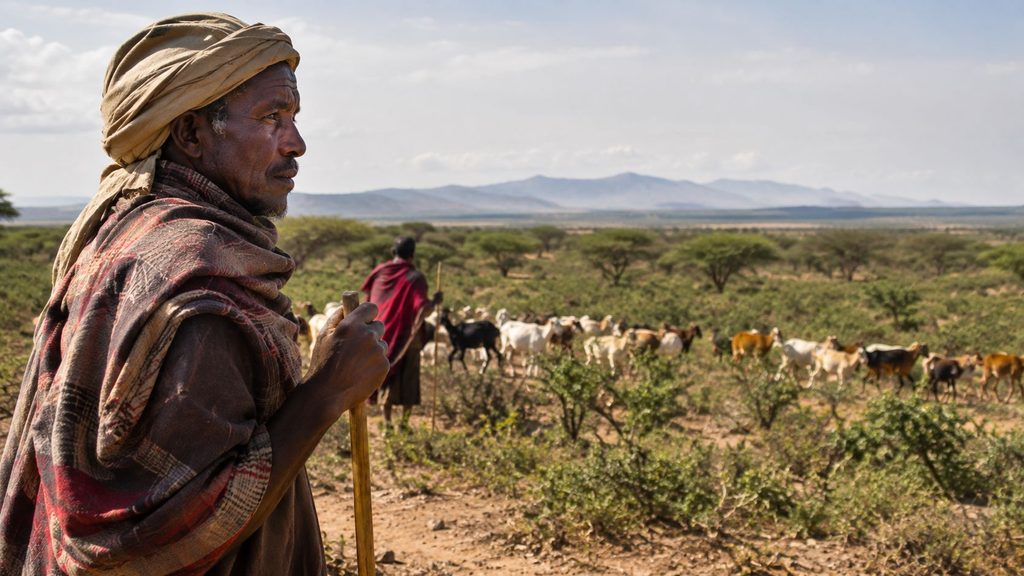
Africa has no shortage of locally driven climate solutions, from agroforestry and mangrove restoration to clean-energy and conservation enterprises. But limited access to reliable, long-term finance is preventing many proven initiatives from scaling, putting the spotlight on adaptation finance, loss and damage and reform of the global financial system ahead of UNGA 81.
East African Farmers Set for KES 25.8 Billion Climate Investment Boost

East African Farmers Set for KES 25.8 Billion Climate Investment Boost

East African smallholder farmers and rural businesses are set to benefit from a $200 million (KES 25.8 billion) climate financing mechanism launched by Equity Group and IFAD. The ARCAFIM programme will support irrigation, water harvesting, climate-resilient agriculture, storage, renewable energy and other investments across Kenya, Uganda, Tanzania and Rwanda, targeting about 260,000 producers and 500 rural enterprises.
Climate Money Risks Deepening Africa’s Soil and Biodiversity Crisis – Report

Climate Money Risks Deepening Africa’s Soil and Biodiversity Crisis – Report

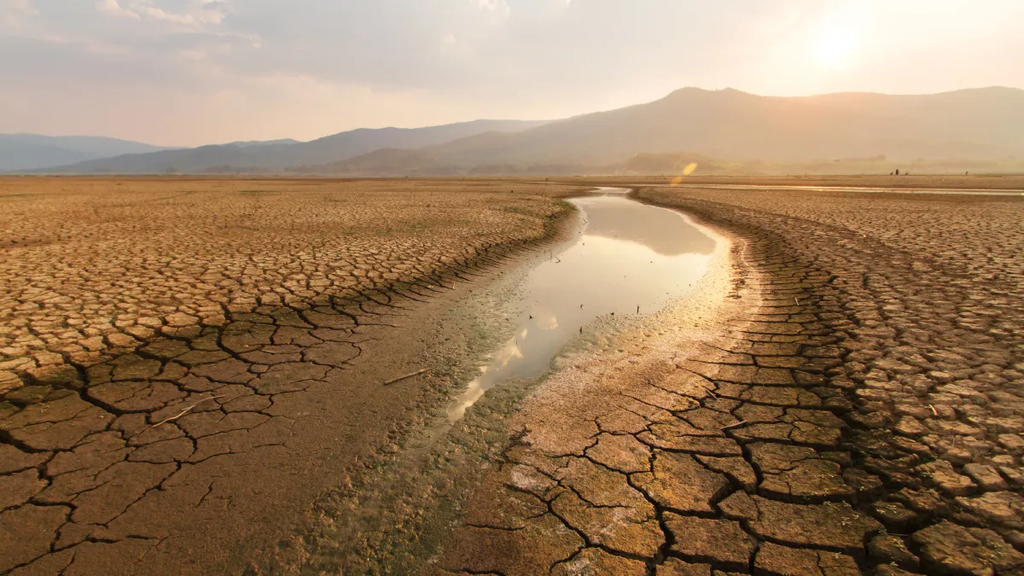
Climate finance could unintentionally reinforce the input-intensive agricultural model linked to soil degradation, declining crop diversity and land expansion in Africa, a new AFSA report warns. The report calls for climate funding to prioritise diversified, low-input and agroecological farming systems that strengthen resilience to drought, erratic rainfall and rising input costs.
Carbon Credits Deliver KES655 Million Boost to Northern Kenya Communities

Carbon Credits Deliver KES655 Million Boost to Northern Kenya Communities

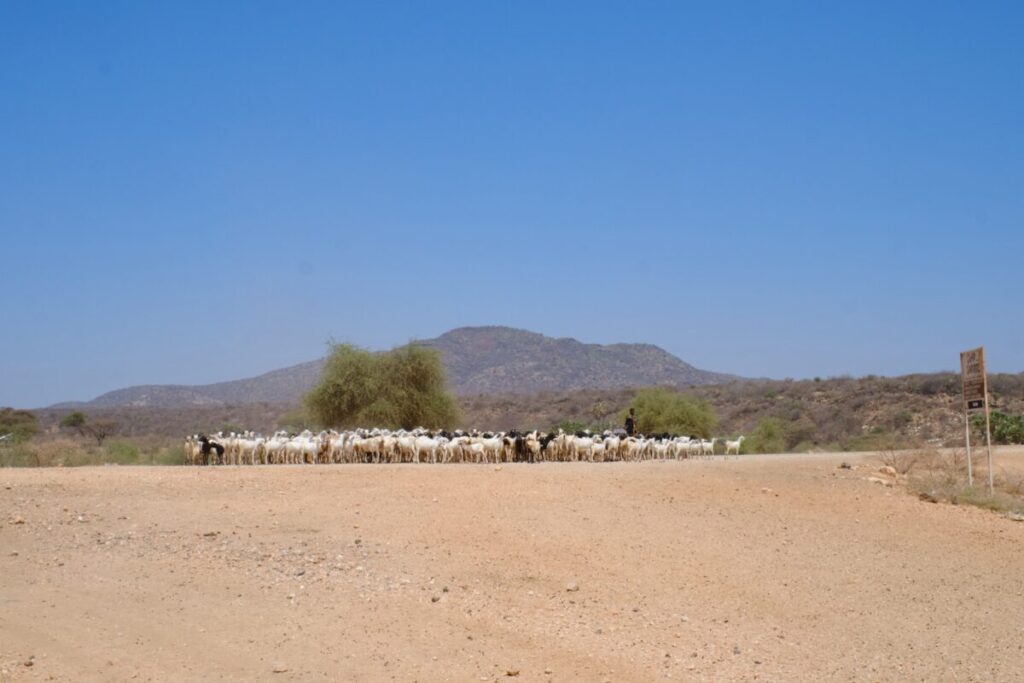
Pastoral communities across northern Kenya are set to receive KES655.15 million from carbon credit sales through the Northern Kenya Rangelands Carbon Project. The funding will support education, healthcare, water infrastructure, livelihoods and conservation initiatives, while reigniting debate over transparency, community consent and the role of carbon markets in supporting climate action and pastoral livelihoods.
Kenya Unveils New Carbon Market Rules

Kenya Unveils New Carbon Market Rules

Kenya has unveiled the National Carbon Registry Rule Book, creating a national framework for approving, tracking and authorising carbon projects and international credit transfers. The rules introduce a 10-million-tonne carbon budget before 2030, a three-stage approval process and a central registry designed to improve transparency, prevent double counting and strengthen community benefit-sharing.