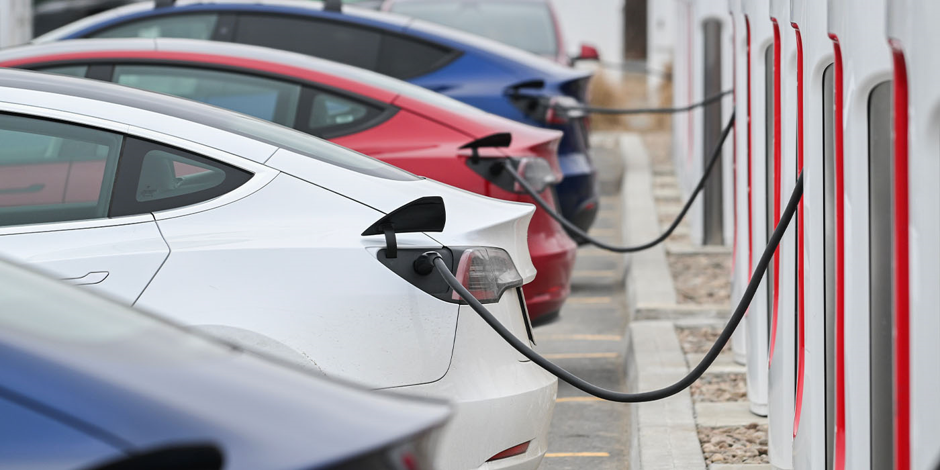
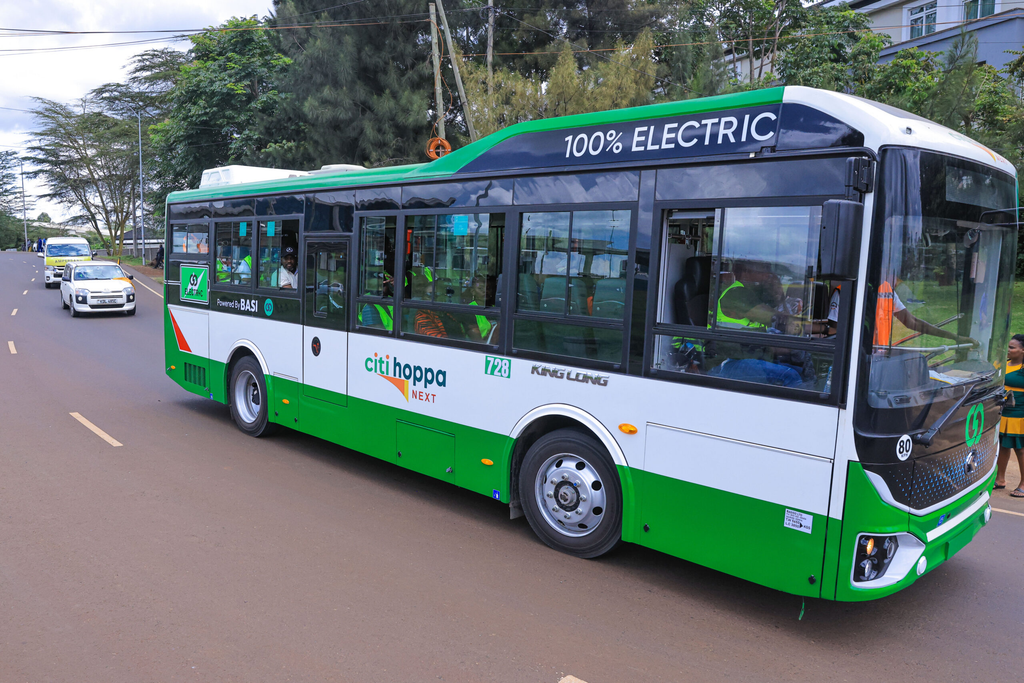
Kenya’s proposed $3 billion EV manufacturing MOU sets out local vehicle assembly and solar charging plans as the country balances cleaner transport with the new Lamu oil refinery.
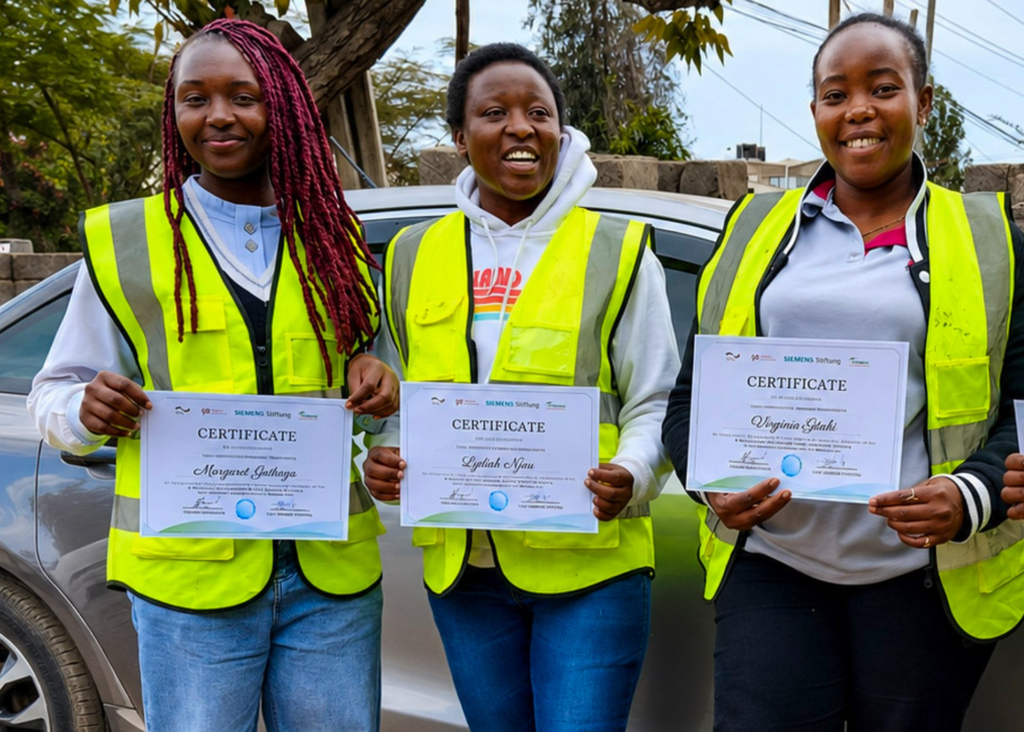
As Kenya’s electric mobility sector expands, women are gaining opportunities in EV repair, battery technology, solar systems and green transport businesses, helping ensure they become active participants in the country’s emerging green economy.
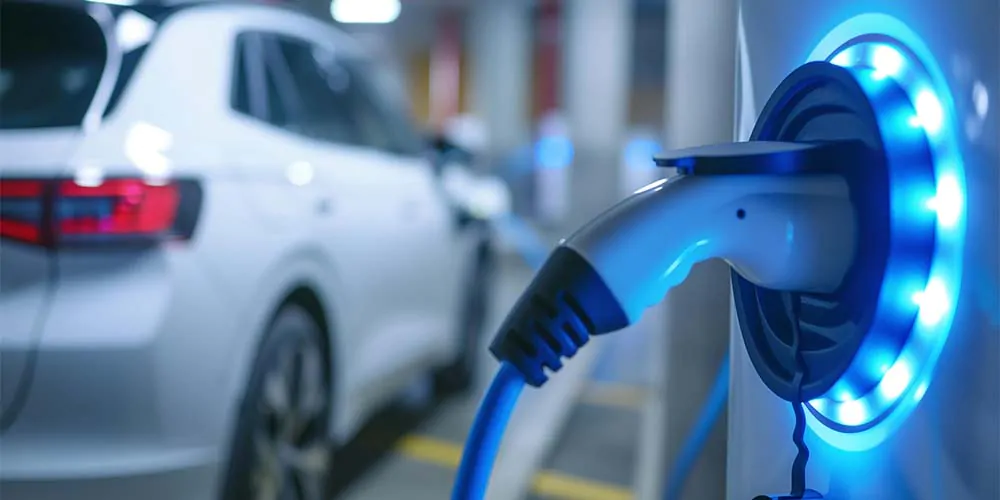
Kenya’s electric-mobility sector has received a regulatory boost after EPRA removed the 15,000 kWh monthly ceiling for the special e-mobility electricity tariff. The move could support the expansion of high-volume EV charging networks as electricity demand from electric transport continues to grow.
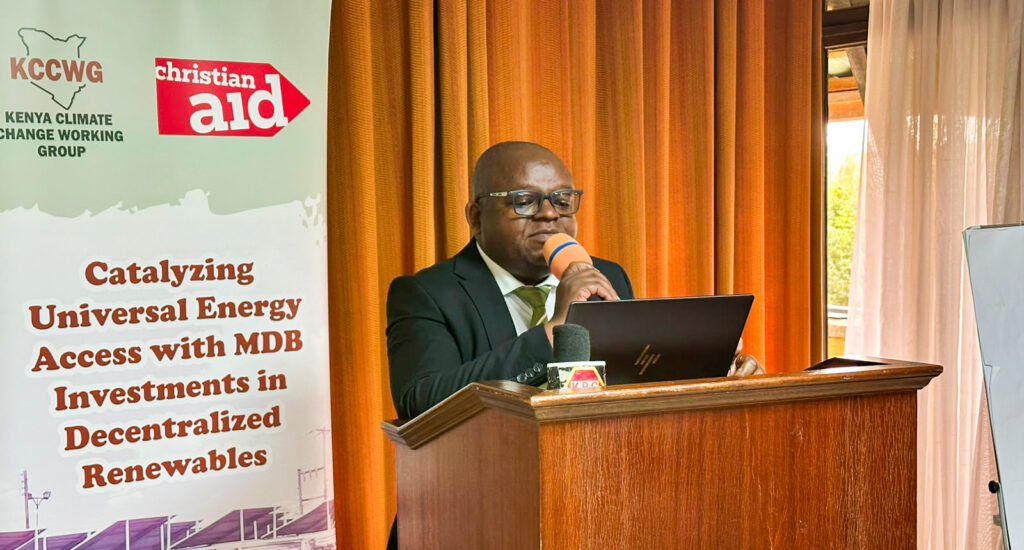
Kenya’s push for universal electricity access by 2030 faces a major challenge: affordability. Stakeholders warn that expanding electricity connections alone is not enough if households cannot afford the power, with high energy costs pushing some families back to firewood and other polluting fuels.
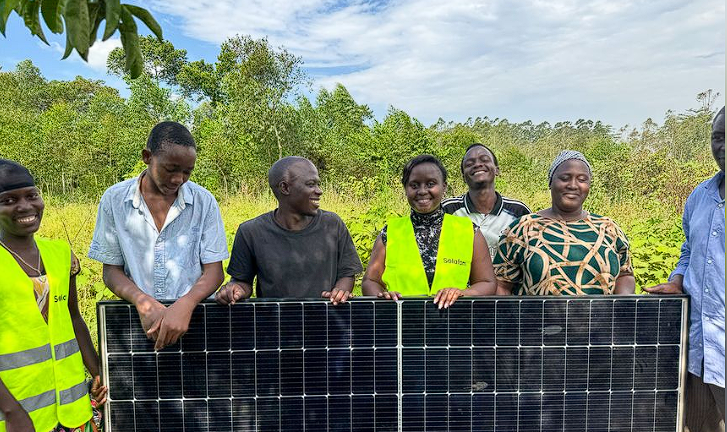
A Ugandan farmer’s daughter is turning the problem of post-harvest losses into a technology-driven opportunity. Through Solafam Uganda, Shifra Ainomugisha combines solar-powered cold storage, solar irrigation and AI-powered farm advice to help farmers preserve produce, improve productivity and adapt to climate challenges. Her work earned her the 2026 Commonwealth Young Person of the Year award.
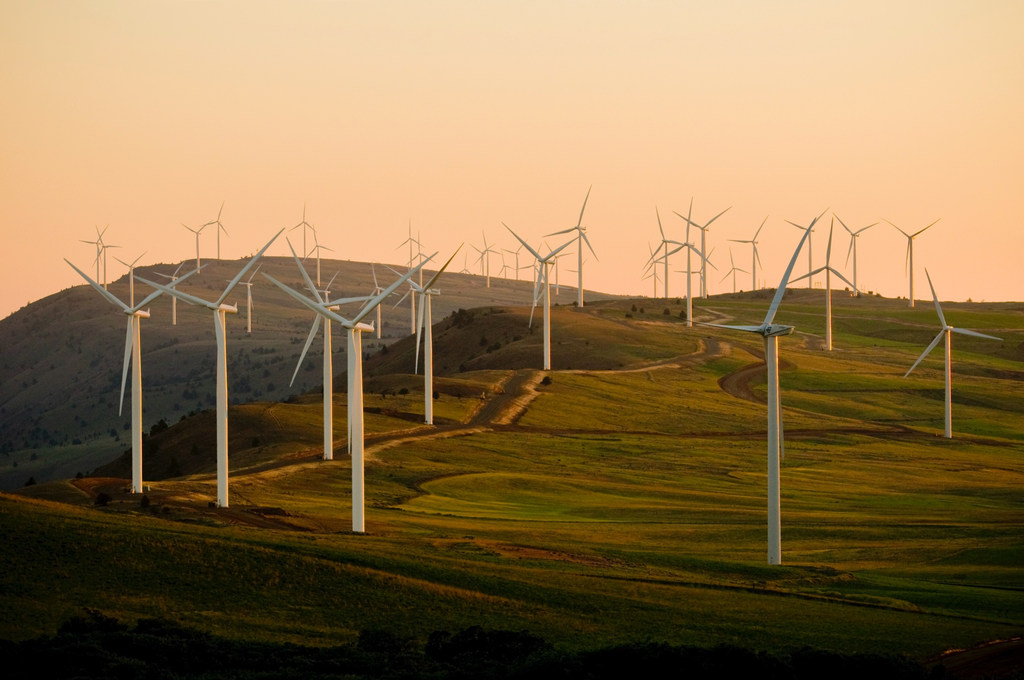
Africa added just 11.3 GW of renewable energy capacity in 2025, accounting for only 1.6% of the 692 GW added globally, despite the continent's vast solar, wind, geothermal and hydropower potential. High financing costs, limited access to affordable capital and inadequate transmission infrastructure continue to hold back Africa's clean energy transition.
A Kenyan climate technology company has gained global recognition after winning the 2026 Keeling Curve Prize for its innovative approach to clean energy and electric mobility. By repurposing retired electric vehicle batteries into backup energy storage systems, LinQ Powr is helping reduce waste, improve energy reliability and accelerate the transition to sustainable transport across East Africa.
Kenya is set to accelerate its transition to a low-carbon economy after the World Bank proposed new climate-linked reforms tied to future budget support. The reforms require the country to fast-track electric mobility regulations and adopt mandatory green building standards, unlocking investment, reducing emissions, and strengthening climate resilience.
Renewable energy is proving to be not only a climate solution but also an economic powerhouse. According to the latest IRENA report, falling costs for solar, wind, and battery storage are saving governments and consumers billions of dollars while making clean energy cheaper than new fossil fuel power plants.