
High electricity prices could undermine Kenya’s plan to achieve universal energy access by 2030, even as the country expands connections and generates most of its power from renewable sources.
The concern has been raised by energy and climate stakeholders during a Nairobi workshop on Kenya’s implementation of Mission 300, a joint initiative by the African Development Bank (AfDB) and World Bank Group to connect an additional 300 million people in Africa to electricity by 2030.
Under Kenya’s Mission 300 National Energy Compact, African governments are preparing National Energy Compacts covering electricity-sector reforms, grid expansion, renewable energy, clean cooking and private investment. The initiative combines national-grid connections with mini-grids and stand-alone solar systems for remote and underserved communities.
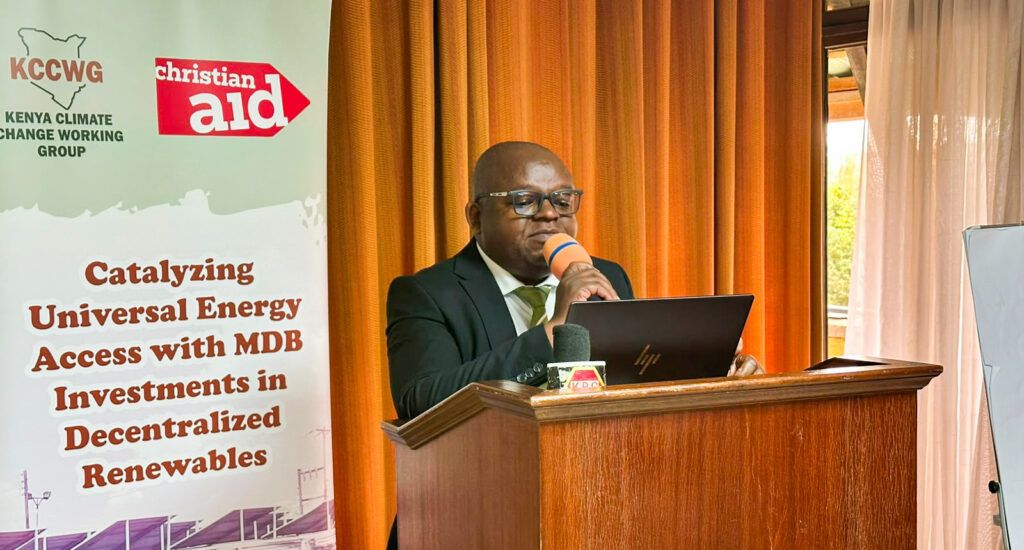
During the workshop supported by Christian Aid through the Africa Energy Advocacy Project, it was noted that civil society and interfaith actors are key connectors in advancing Decentralized Renewable Energy (DRE) and inclusive energy access, highlighting the trusted community reach and social accountability that faith institutions bring to Kenya’s energy transition.
Kenya’s National Energy Compact seeks to increase electricity access from about 75 per cent to 100 per cent by 2030, expand renewable generation and provide universal access to clean cooking. However, participants warned that a household connection does not guarantee access if families cannot afford to use electricity.
“Power bills remain very high. In homes where rural electrification has been successful, many families cannot cope with the bills and therefore return to fuelwood,” Vihiga Governor Dr Wilber Ottichilo said.
Reliance on firewood, charcoal and other polluting fuels exposes households to harmful smoke. An estimate cited during the workshop attributed about 27,000 deaths in Kenya each year to household air pollution, with women and children facing the greatest exposure.
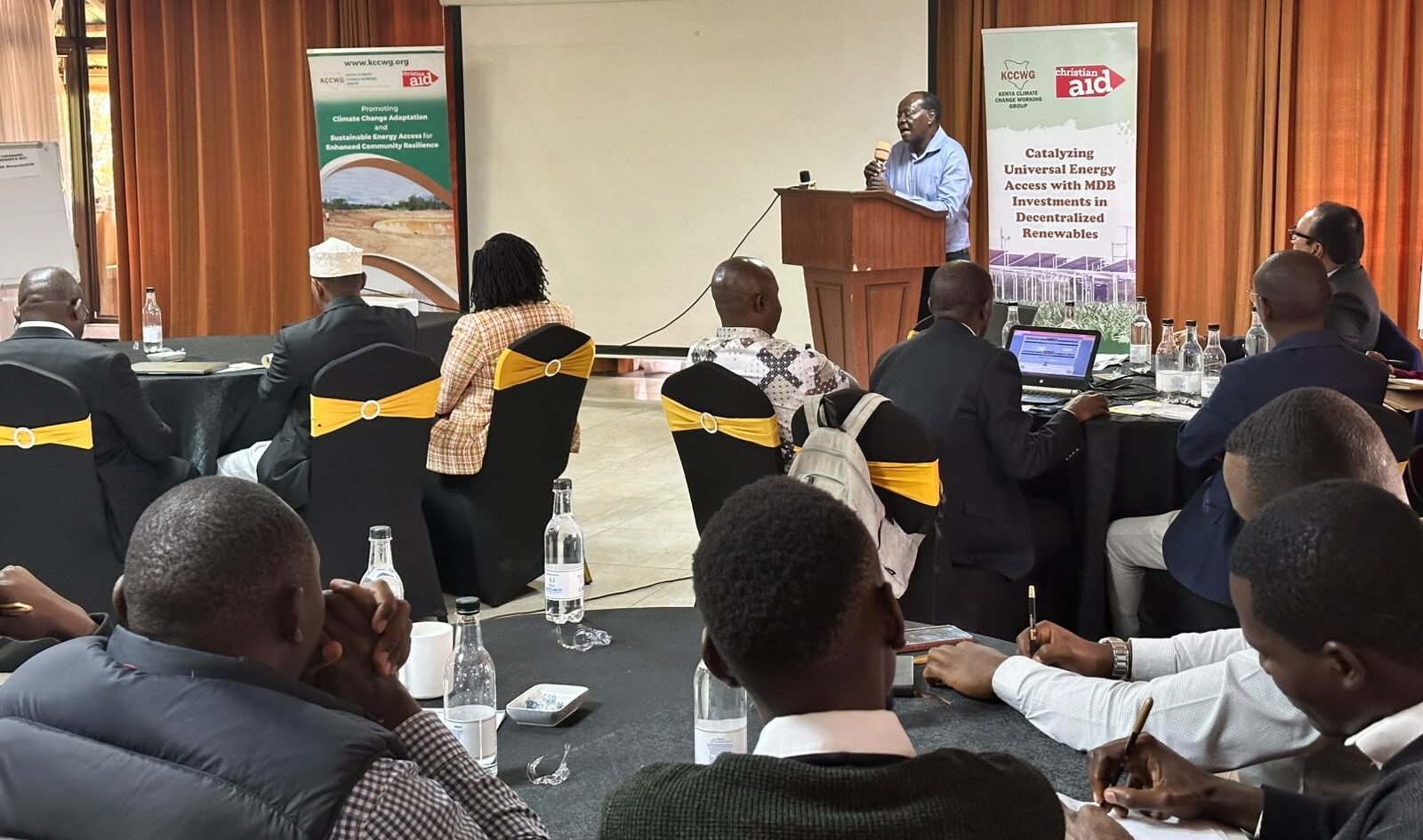
Ottichilo said high power costs were also encouraging county governments to install decentralised renewable-energy systems instead of relying entirely on the national grid.
“Vihiga County is solarising water projects, street lighting and other facilities that require electricity to reduce expensive Kenya Power bills,” he said.
According to the governor, about 20 counties have developed green-energy policies, with some allocating between two and five per cent of their budgets to renewable-energy programmes.
Kenya Climate Change Working Group (KCCWG) chairman Dr John Kioli called for faster implementation of the transition to affordable renewable energy.
“It is time for Kenya and the continent to implement the green energy transition and address the critical need for energy in homes to power Africa’s development,” Kioli said.
Participants called for civil society, faith organisations and local communities to be involved in implementing and monitoring Kenya’s compact. They said success should be measured not just by the number of connections installed, but also by whether households receive reliable electricity at prices they can afford.
“The civil society and faith actors are essential partners in making sure investment reaches the communities that need it most.” Said, Elizabeth Wanja, Coordinator, KCCWG.
The workshop presented a communiqué for a collective commitment to strengthen CSO and inter-faith coordination, promote meaningful participation in Mission 300 and national energy planning.
“This gives CSOs and faith actors a practical, structured way to engage AfDB and government on energy investment decisions that affect their communities.” Said, Jacqueline Kimeu, Energy and Climate Change Advisor, Christian Aid