Healthy Diets Remain Beyond Reach for Two-Thirds of Africa’s Population, UN Report Finds

Healthy Diets Remain Beyond Reach for Two-Thirds of Africa’s Population, UN Report Finds

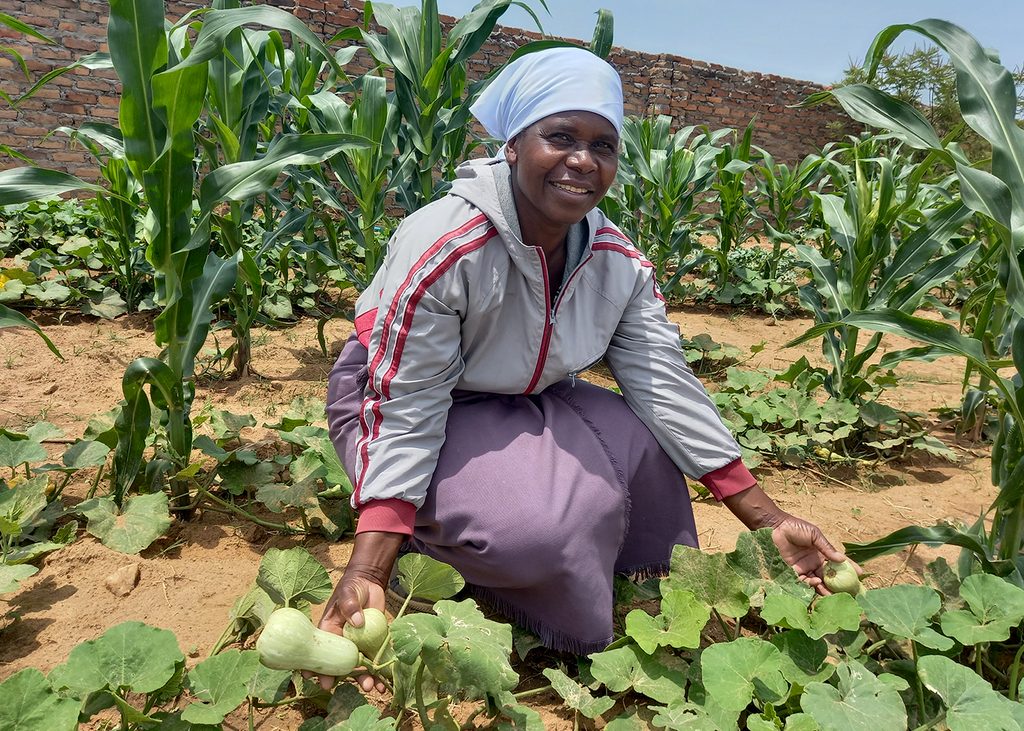
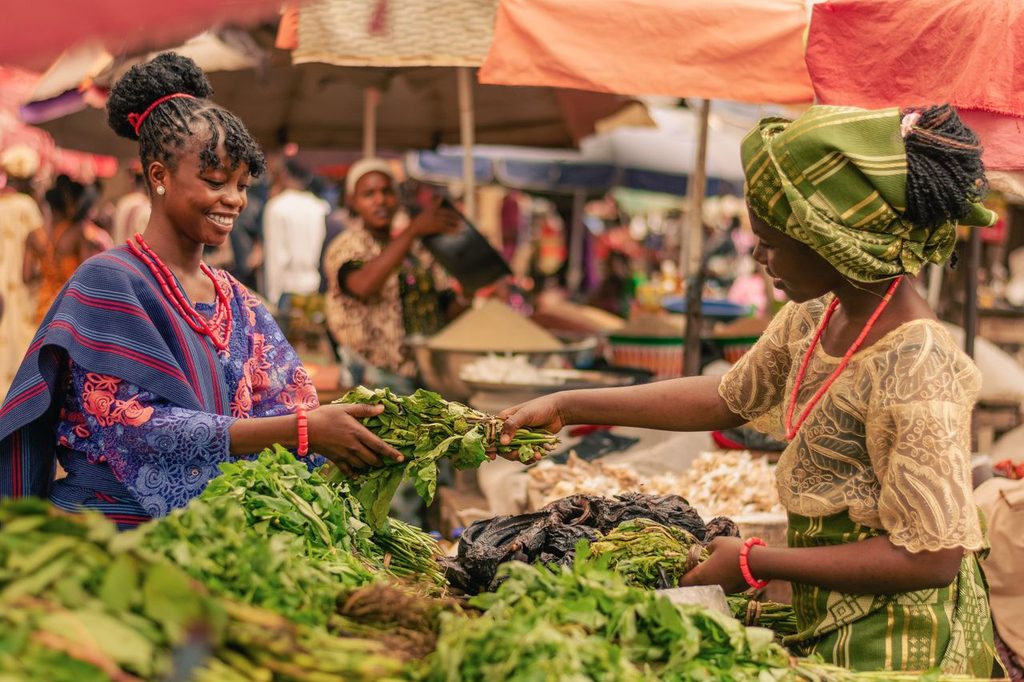
More than two-thirds of Africa’s population could not afford a healthy diet in 2025, according to a new UN report released around World Food Day. Rising food prices and weaknesses across agricultural supply chains continue to limit access to nutritious meals, highlighting the urgent need to make healthy food more affordable and accessible.
Why Science, People and Agroforestry Hold the Key to Africa’s Food Future

Why Science, People and Agroforestry Hold the Key to Africa’s Food Future

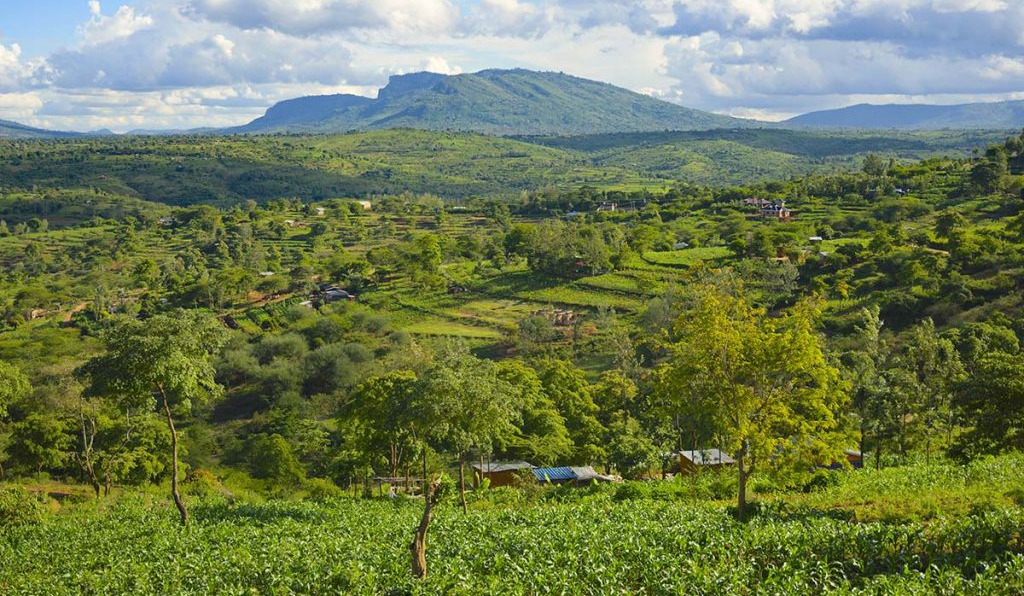
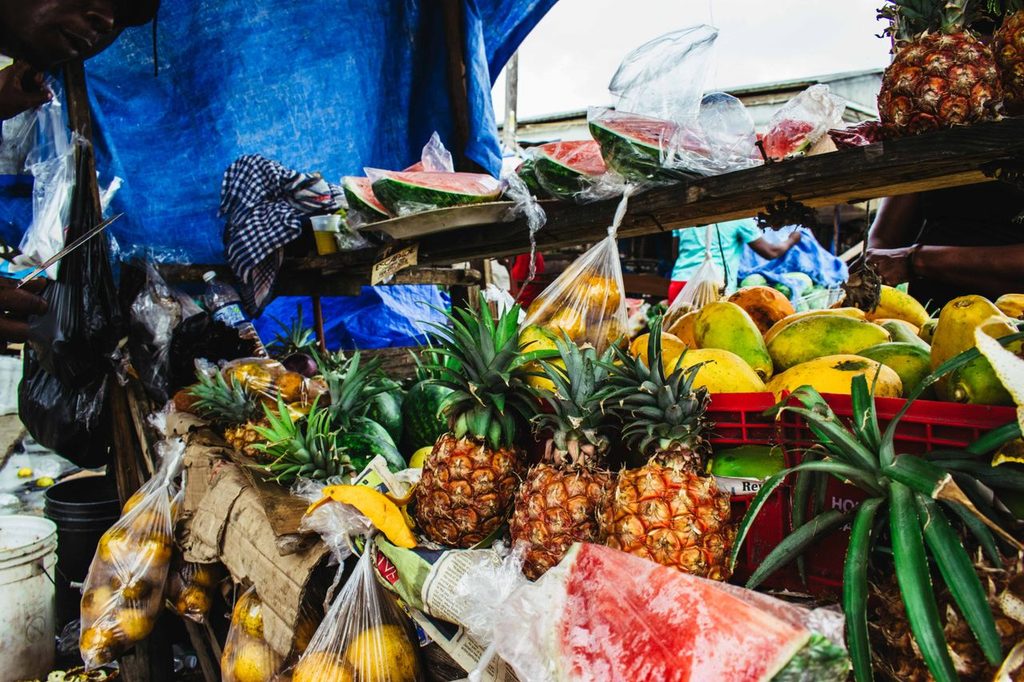
As World Food Day 2026 highlights the theme “Innovate Today. Nourish Tomorrow,” science, indigenous knowledge and agroforestry are emerging as vital tools for building resilient food systems in East Africa. From restoring degraded land to empowering women, engaging young innovators and strengthening farmer organisations, combining nature-based solutions with technology can improve food security, nutrition and livelihoods amid growing climate pressures.
Kenya’s Indigenous Seeds Face a Defining Legal and Policy Test

Kenya’s Indigenous Seeds Face a Defining Legal and Policy Test

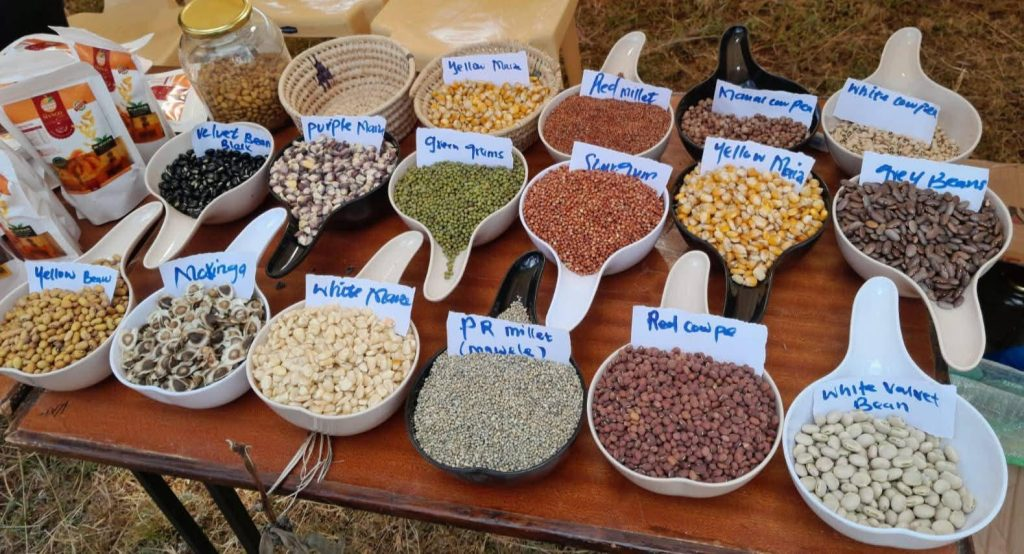
Kenya’s indigenous seed systems face a defining legal and policy test as the government appeals a High Court ruling that expanded farmers’ rights to save, exchange and sell indigenous seed. The outcome, alongside the ongoing review of the country’s seed law, could shape farmers’ control over seed, agricultural biodiversity and the resilience of local food systems.
Pesticide Poisoning Hits More Than Half of East Africa’s Farmers

Pesticide Poisoning Hits More Than Half of East Africa’s Farmers

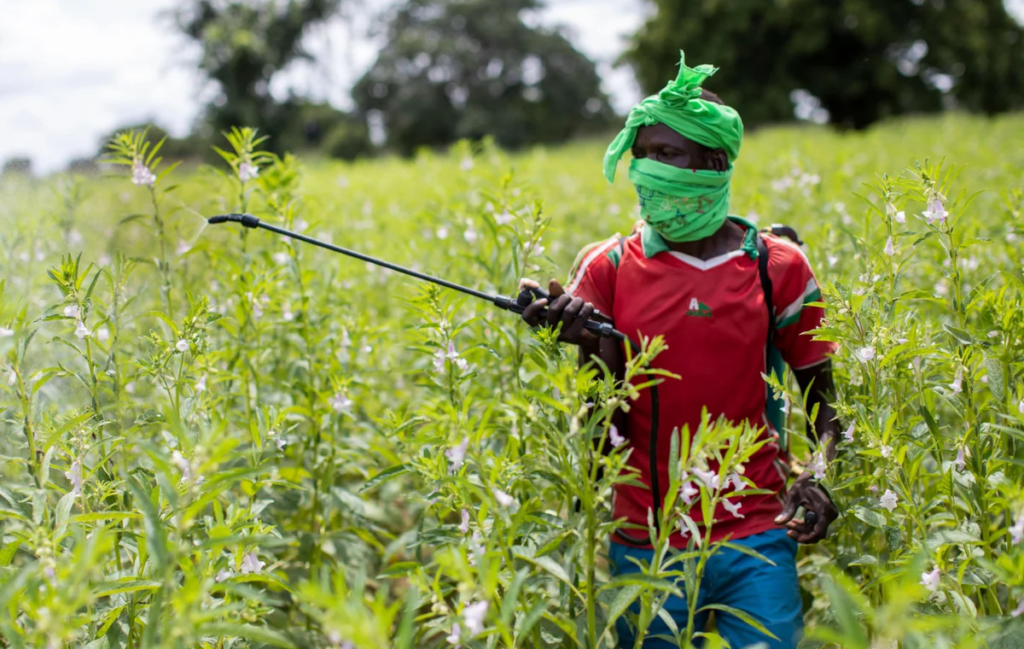
More than half of East Africa’s farmers and agricultural workers may experience acute pesticide poisoning each year, according to a new global study estimating 49.3 million non-fatal cases across the region. The findings highlight a largely undocumented occupational health crisis linked to widespread agrochemical use and limited protection, training and healthcare access.
Subsidized Fertilizer, Seeds Fails to Stem Rising Hunger in Kenya, Report Says

Subsidized Fertilizer, Seeds Fails to Stem Rising Hunger in Kenya, Report Says

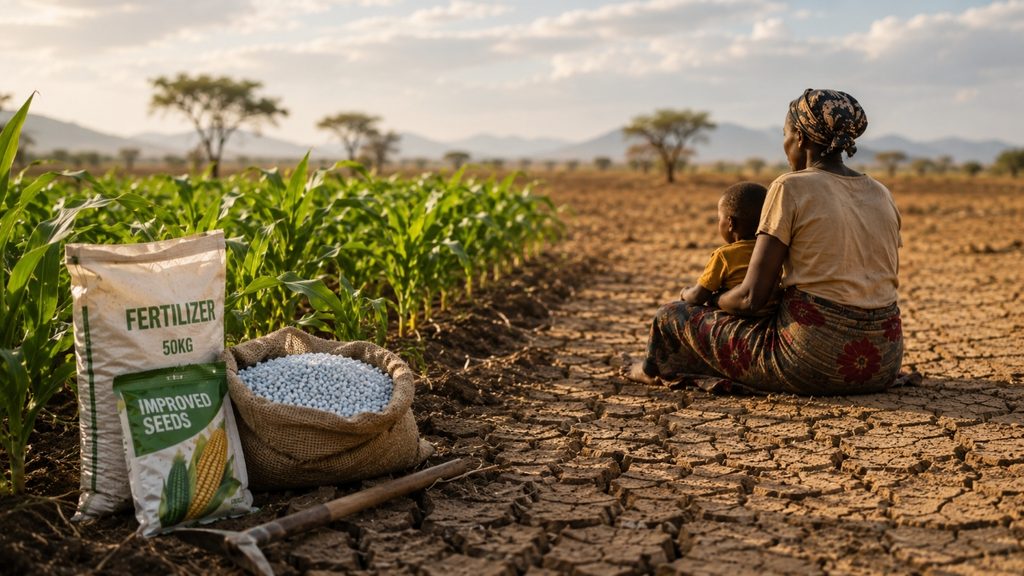
A new report is challenging the effectiveness of Africa’s input-led Green Revolution model, finding that Kenya’s chronically undernourished population more than doubled to over 20 million between 2006 and 2024 despite increased use of fertiliser, commercial seeds and subsidies. The report calls for greater investment in agroecological farming, local seed systems, soil restoration, extension services and crop diversity.