
On the roof of a large cowshed at Meved Dairy Farm near Sagana town in Kirinyaga County, rows of solar panels absorb the intense sun. Below them, dairy cows produce milk for a market stretching from Nairobi to Marsabit, and manure that the farm converts into cooking gas and organic fertiliser.
The arrangement captures the philosophy that Mwangi Githaiga and his wife, Ann Mwangi, have developed since establishing the farm during the 2007-08 post-election violence: that a farm should not only produce food. Rather, it should control what enters that food, manage its waste, reduce its dependence on external energy and remain financially viable through droughts and market disruptions.
Meved’s experience is increasingly relevant as Kenya confronts two connected problems of consumers who are worried about pesticide residues, food adulteration and veterinary drugs entering the food chain, and farmers facing rising costs of feed, prolonged dry periods, unpredictable rainfall and pressure to reduce agriculture’s effects on soils, water, biodiversity and the climate.
For Mwangi, a finance professional who has served as managing director of Kenya Women Finance Trust, responding to these pressures begins with treating farming as a professionally managed business: “We have to know what goes into the cow because that is what eventually comes out in the milk,” says Mwangi.
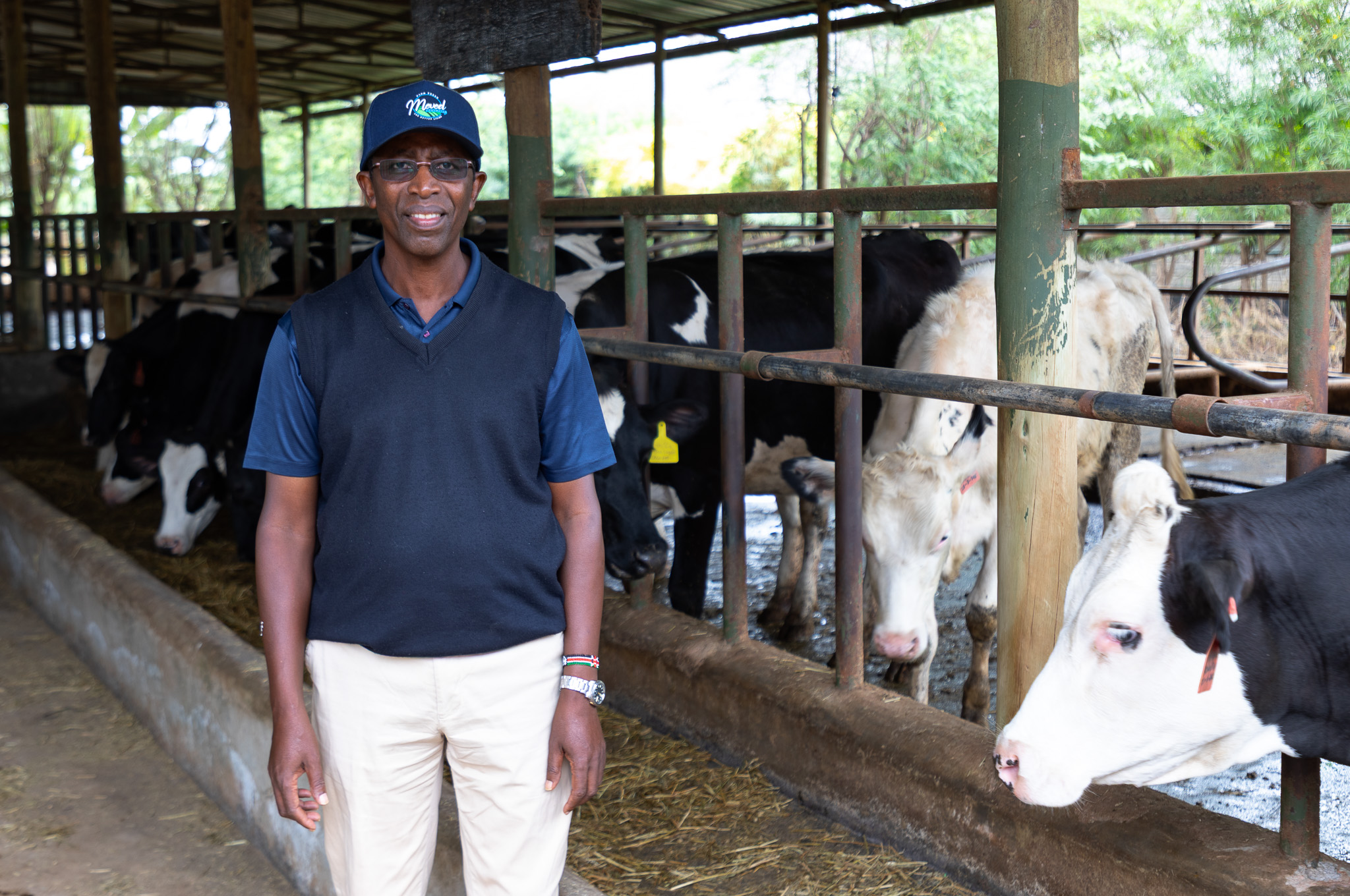
The couple’s entry into dairy farming was not initially part of a grand agricultural plan. When violence followed Kenya’s disputed December 2007 election, the family moved from Nairobi to their land at Rukanga, between Makutano and Sagana. The area is relatively dry, and fresh milk was difficult to obtain. The couple started with a single local cow before buying cross-bred animals and expanding their herd.
Demand for milk grew quickly as the surrounding community came looking for milk, but expansion brought a different problem because the farm could produce more milk than the local market could absorb.
The farm initially lost surplus milk before securing a market with the New Kenya Co-operative Creameries (KCC). It subsequently invested in cooling, processing and value addition, including yoghurt and fermented milk.
Mwangi estimates current output at about 700 litres a day. Milk is pasteurised and processed at the farm before distribution. Mwangi says Meved does not add preservatives to its fresh milk and yoghurt and depends instead on hygienic processing, refrigeration and rapid delivery.
Meved’s emphasis on controlled production comes amid evidence that chemical residues can enter Kenya’s food system at several points. Veterinary drugs used to treat infections can remain in milk when farmers fail to observe the required withdrawal period.
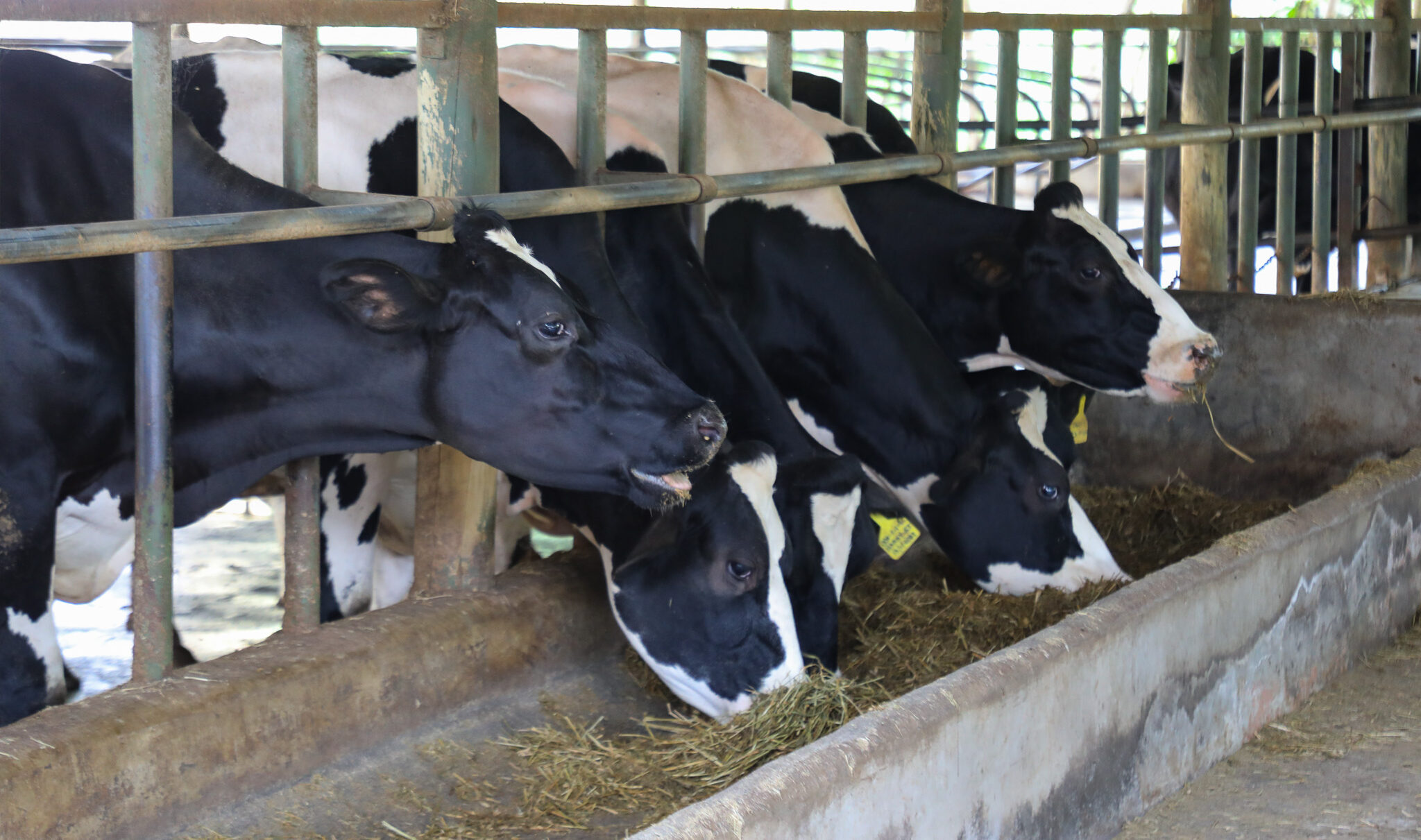
A 2023 study of dairy farms in Kericho County detected nine antibiotics in 108 milk samples, although only three samples exceeded the relevant Codex limits, but researchers also found that nearly 99 per cent of the 248 farms surveyed had used antibiotics during the preceding year.
Experts say that pasteurisation protects consumers from many disease-causing microorganisms, but it is not a substitute for responsible veterinary-drug use. Milk from treated animals must be withheld for the prescribed period, while processors need residue testing, traceability and reliable farm records.
At Meved, food quality begins with feed production. The farm grows and conserves fodder and uses manure and material left after biogas production to fertilise its fields. The digestate returns nutrients and organic matter to the soil, reducing dependence on synthetic fertiliser and helping the soil retain water.
That connection is important for conservation because excessive or poorly managed pesticide and fertiliser use can damage soil organisms, pollute rivers and groundwater and harm pollinators and other species that support food production. The United Nations Environment Programme warns that chemical residues can degrade ecosystems, diminish soil health and weaken farmers’ resilience to climate change.
This does not mean that organic manure is harmless, as excessive application can also pollute water or release greenhouse gases. Its value depends on correct treatment, nutrient assessment and application at rates that crops can use. Meved’s approach illustrates the importance of viewing manure as a managed resource rather than uncontrolled waste.
The farm has used biogas since 2010. By capturing gas from decomposing manure, a biodigester can reduce uncontrolled methane emissions while replacing firewood or purchased cooking fuel. This creates a direct link between dairy production, forest conservation and climate mitigation due to less demand for fuelwood, thereby easing pressure on trees, while controlled manure treatment reduces pollution and captures energy that would otherwise be lost.
Biogas does not eliminate dairy farming’s climate impact. Cattle also release methane during digestion, and producing fodder, pumping water, cooling milk and transporting products all consume energy. The farm’s solar system addresses part of that footprint.
Such investments are becoming central to the future of East African dairy farming. Kenya produced about 5.5 billion litres of milk in 2025, while milk handled through the formal market rose by about 11.5 per cent to more than one billion litres, according to the Kenya National Bureau of Statistics’ 2026 Economic Survey.
As production grows, the sector must increase output without proportionately increasing methane emissions, land degradation or water use. The Dairy Interventions for Mitigation and Adaptation programme, approved for Kenya, Rwanda, Tanzania and Uganda in 2025, plans to invest US$358.26 million in improved feeds, manure management, pasture restoration, biogas, organic fertiliser and solar-powered cold chains.
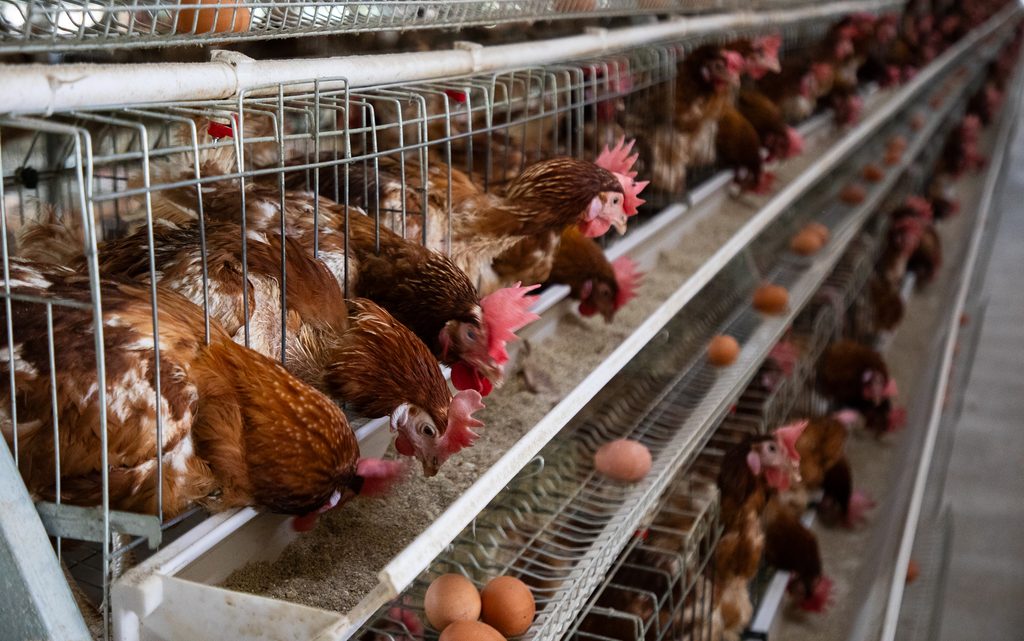
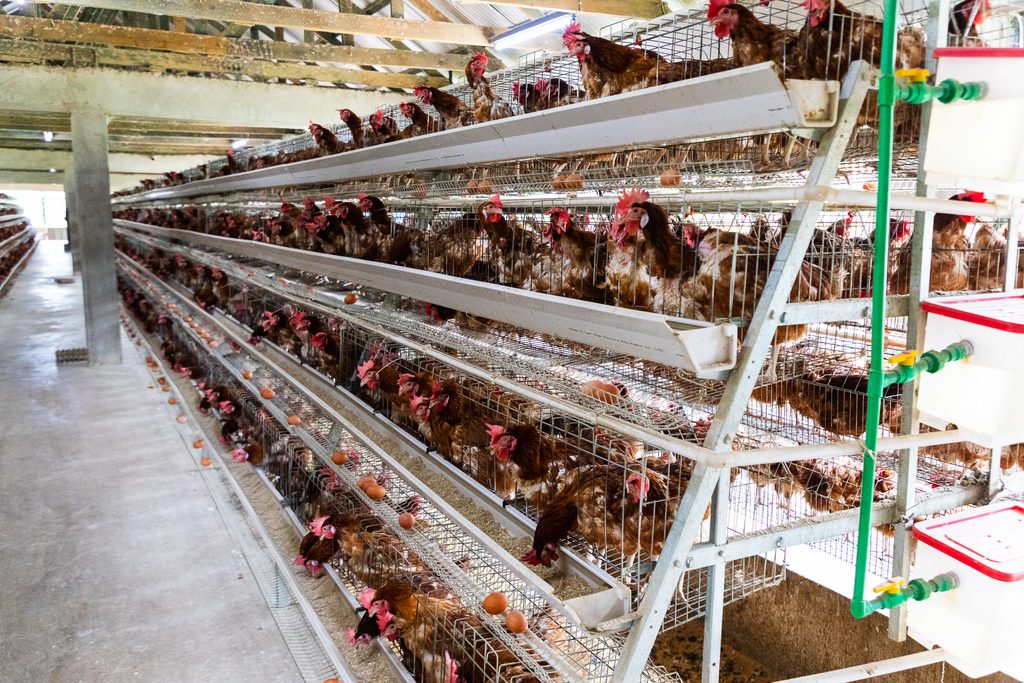
Meved has diversified into poultry, with more than 5,000 layers. Farm management says the birds receive balanced feeds produced under its low-chemical approach, to supply eggs whose production can be traced more closely.
This diversification spreads risk because when drought reduces milk production or dairy prices fall, poultry and value-added products provide alternative income. Crops provide livestock feed, livestock waste fertilises the crops, and dairy and poultry products generate several revenue streams from the same management system.
The farm also receives school groups and farmers seeking practical knowledge. Children, including groups travelling from Nairobi, observe milk processing, livestock feeding, renewable-energy production and waste reuse. Farmers study fodder conservation, herd management, biogas production and value addition. For Mwangi, this transfer of knowledge is part of the farm’s wider purpose.
Ann’s role in building the enterprise was recognised in April when she was named Woman Dairy Champion and Entrepreneur of the Year at the 2026 Africa Dairy Industry Awards.
Meved’s main lesson is not that food safety and climate resilience depend on linked controls including responsible pesticide and veterinary-drug use, traceable feeds, healthy animals, residue testing, pasteurisation, refrigeration, careful manure management and soil conservation.