

Lake Bogoria Overflow Threatens Baringo’s Freshwater Ecosystem

Lake Bogoria Overflow Threatens Baringo’s Freshwater Ecosystem

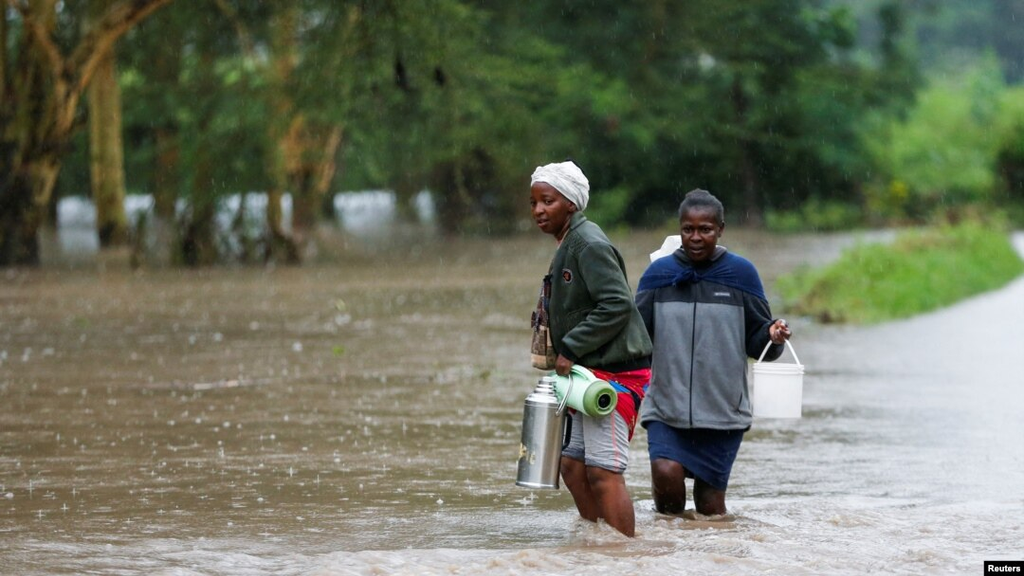
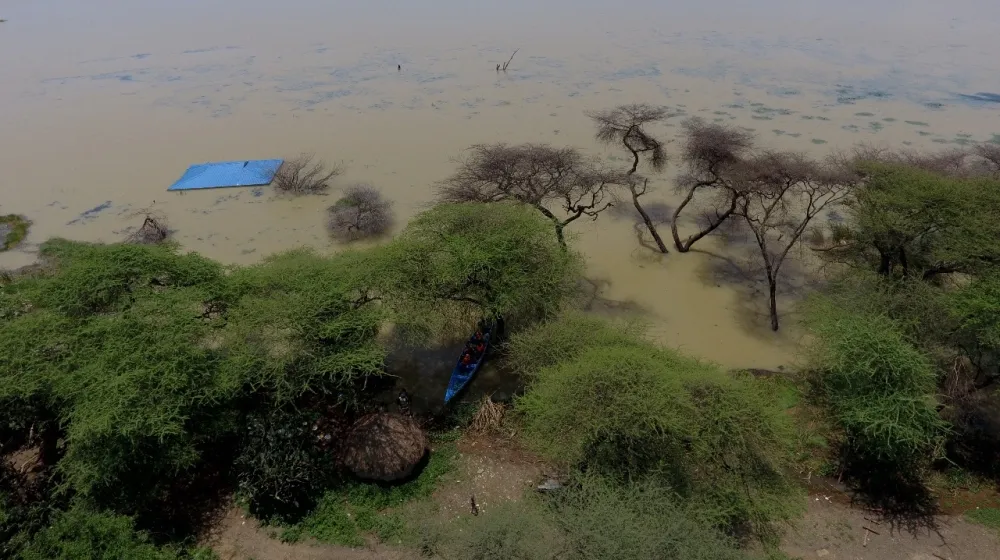
Rising water levels in Kenya’s Rift Valley are raising fears that saline Lake Bogoria could eventually overflow into freshwater Lake Baringo, threatening fish, aquatic ecosystems and the livelihoods of communities that depend on the lake. Scientists warn that changes in water chemistry could have far-reaching consequences for biodiversity, fisheries and food security.
Horn Of Africa Steps Up Displacement Forecasts As El Niño Raises Flood Risk

Horn Of Africa Steps Up Displacement Forecasts As El Niño Raises Flood Risk

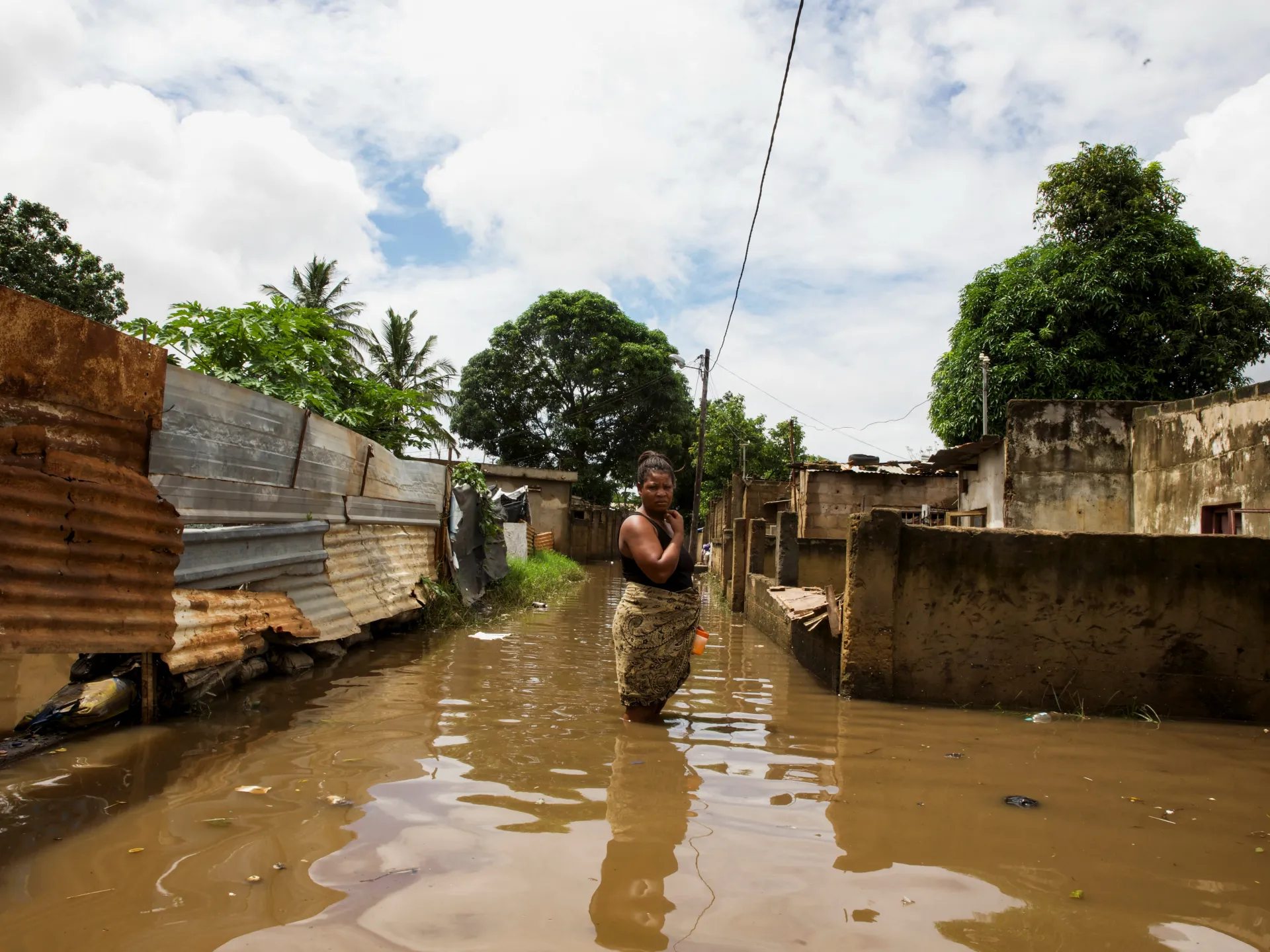
As El Niño raises the risk of extreme rainfall across the Greater Horn of Africa, ICPAC is strengthening efforts to forecast where climate disasters could force people from their homes. By combining climate forecasts with data on poverty, livelihoods and past displacement, the initiative aims to help governments and humanitarian agencies act before communities are forced to flee.
Climate Money Risks Deepening Africa’s Soil and Biodiversity Crisis – Report

Climate Money Risks Deepening Africa’s Soil and Biodiversity Crisis – Report

Climate finance could unintentionally reinforce the input-intensive agricultural model linked to soil degradation, declining crop diversity and land expansion in Africa, a new AFSA report warns. The report calls for climate funding to prioritise diversified, low-input and agroecological farming systems that strengthen resilience to drought, erratic rainfall and rising input costs.
East Africa Told to Prepare for Climate Shocks Beyond El Niño

East Africa Told to Prepare for Climate Shocks Beyond El Niño

East African governments are being urged to look beyond the immediate threat of El Niño and build permanent defences against increasingly severe climate shocks. VI Agroforestry says the region needs stronger early-warning systems, resilient infrastructure, sustainable farming, watershed restoration and locally led adaptation to reduce the risks of floods, landslides, drought and displacement.
Africa Braces for El Niño as Drought and Flood Risks Threaten Food Security

Africa Braces for El Niño as Drought and Flood Risks Threaten Food Security

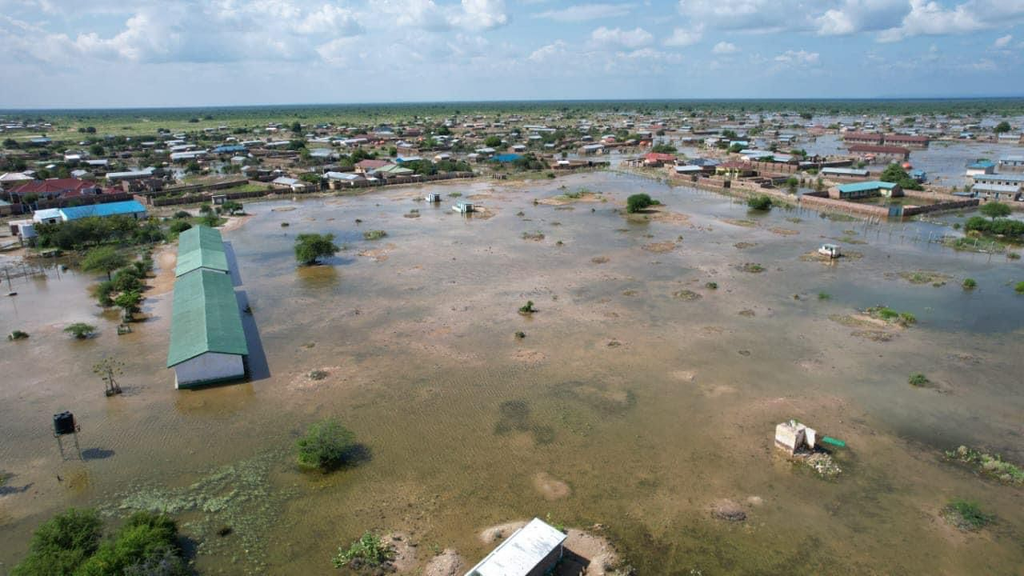
Africa is bracing for worsening food-security pressures as a strengthening El Niño raises the risk of drought in Southern Africa and heavier-than-normal rainfall in East Africa. With more than 306 million Africans undernourished in 2024, experts are urging governments and farmers to strengthen water harvesting, soil conservation, flood protection and climate-resilient farming before the October–December rains.
Kenya Unveils New Carbon Market Rules

Kenya Unveils New Carbon Market Rules

Kenya has unveiled the National Carbon Registry Rule Book, creating a national framework for approving, tracking and authorising carbon projects and international credit transfers. The rules introduce a 10-million-tonne carbon budget before 2030, a three-stage approval process and a central registry designed to improve transparency, prevent double counting and strengthen community benefit-sharing.
Rising Lakes Put Kenya on Alert as El Niño Threat Grows

Rising Lakes Put Kenya on Alert as El Niño Threat Grows

Kenyan scientists are warning communities around Lake Victoria and the Rift Valley lakes to prepare for possible flooding as a strengthening El Niño and a potential positive Indian Ocean Dipole (IOD) threaten above-normal rainfall later this year. With lake levels already elevated after years of heavy rains, experts say early action could help protect lives, infrastructure and livelihoods.
Sagana Dairy Farm Offers Lessons In Safer, Climate-Smart Food Production

Sagana Dairy Farm Offers Lessons In Safer, Climate-Smart Food Production

A dairy farm in Kirinyaga County is demonstrating how climate-smart agriculture can improve food safety, cut emissions and boost farm profitability. By combining solar energy, biogas, organic fertiliser and traceable milk production, Meved Dairy Farm is showing how sustainable farming practices can strengthen food security while reducing agriculture's environmental footprint.