
African countries are pressing for stronger international action on drought, accessible restoration finance and greater protection for pastoral communities as governments negotiate new measures to combat land degradation at a United Nations conference in Mongolia.
The demands reflect a continent facing the challenge of restoring degraded land quickly enough to protect food supplies, water resources and rural livelihoods as droughts become more frequent and severe due to climate change.
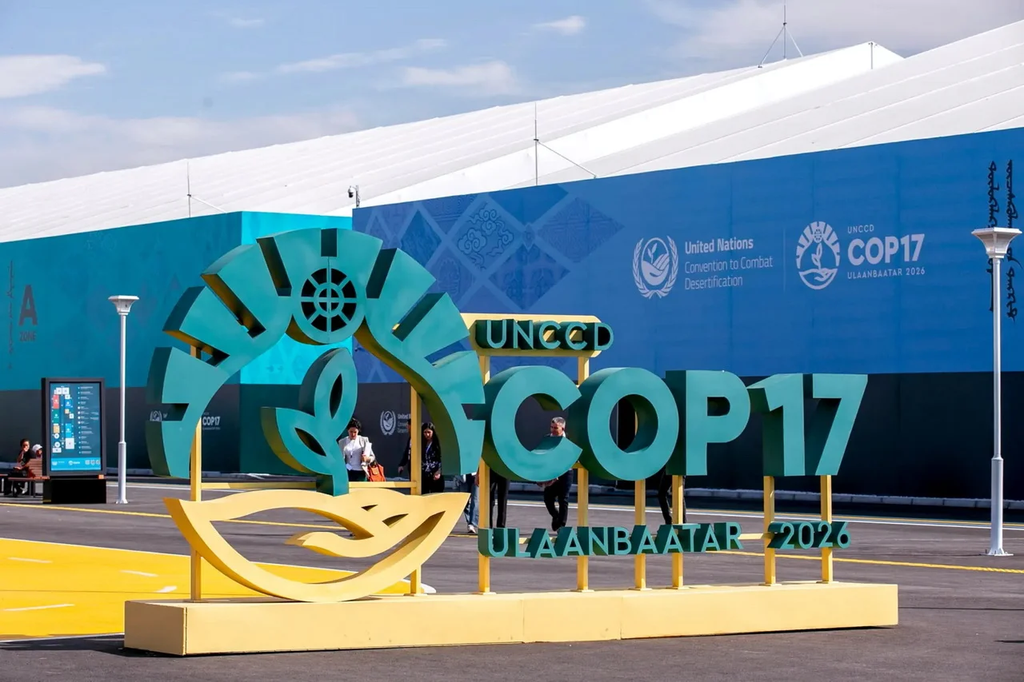
Delegates from the 197 parties to the United Nations Convention to Combat Desertification are meeting in Ulaanbaatar from August 17 to 28 for COP17, held under the theme “Restoring Land. Restoring Hope.”
The negotiations cover drought resilience, land restoration, rangeland management, pastoralism, land tenure, migration, science and private-sector participation.
At an African regional preparatory meeting in Cairo in June, the African Union warned that desertification, drought and land degradation pose growing threats to the continent’s food security, peace and stability. It urged African negotiators to maintain a common position at COP17 and examine proposals for a new international drought agreement.
Countries in Ulaanbaatar are yet to agree on whether future drought action should be governed by a legally binding protocol or a more flexible framework. The outcome could have significant consequences for African countries regularly affected by drought as a binding protocol could create clearer obligations and stronger accountability, while a non-binding framework would give governments more freedom to determine how measures are implemented.
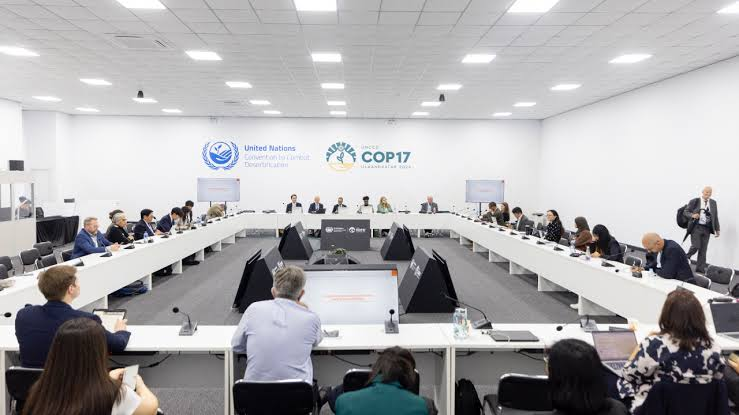
Financing is another major point of contention. Developing countries have called for funding that is sufficient, predictable and easier to access, arguing that restoration programmes cannot depend on short-term project cycles.
For governments and dryland communities in Africa, the debate reliable funding could help communities restore grazing areas, conserve water, prepare for drought and recover more quickly when rainfall fails.
Pastoralism has also taken a prominent place in the talks, which coincide with the United Nations’ International Year of Rangelands and Pastoralists. Delegates are considering policies and investments to improve rangeland management while recognizing pastoralists’ contributions to food production, biodiversity and climate resilience.
Civil society groups have called for more community-led restoration, better access to finance and stronger safeguards against activities that damage rangelands, including poorly managed mining.
Those concerns are particularly relevant in the wider Horn of Africa, where millions of people depend on livestock and access to seasonal grazing. In these areas, the movement of herders and livestock can be an important adaptation strategy, allowing communities to reach pasture and water during dry periods.
COP17 discussions have reflected this distinction by highlighting that drought and degraded land can force people from their homes, but planned pastoral mobility can support sustainable use of natural resources when land rights, migration routes and cross-border arrangements are protected.
Participants from Africa have also called for stronger scientific capacity and closer links between research and public policy to help support better drought early-warning systems, more accurate land monitoring and restoration programmes designed around local conditions rather than uniform solutions imposed across different landscapes.
Delegates are also considering initiatives on sand and dust storms and a proposed rangelands programme focused on knowledge, investment and stronger institutions. Researchers have connected these efforts to satellite monitoring, water and food planning, and the development of restoration projects capable of attracting investment.