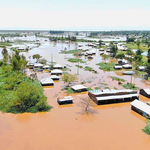
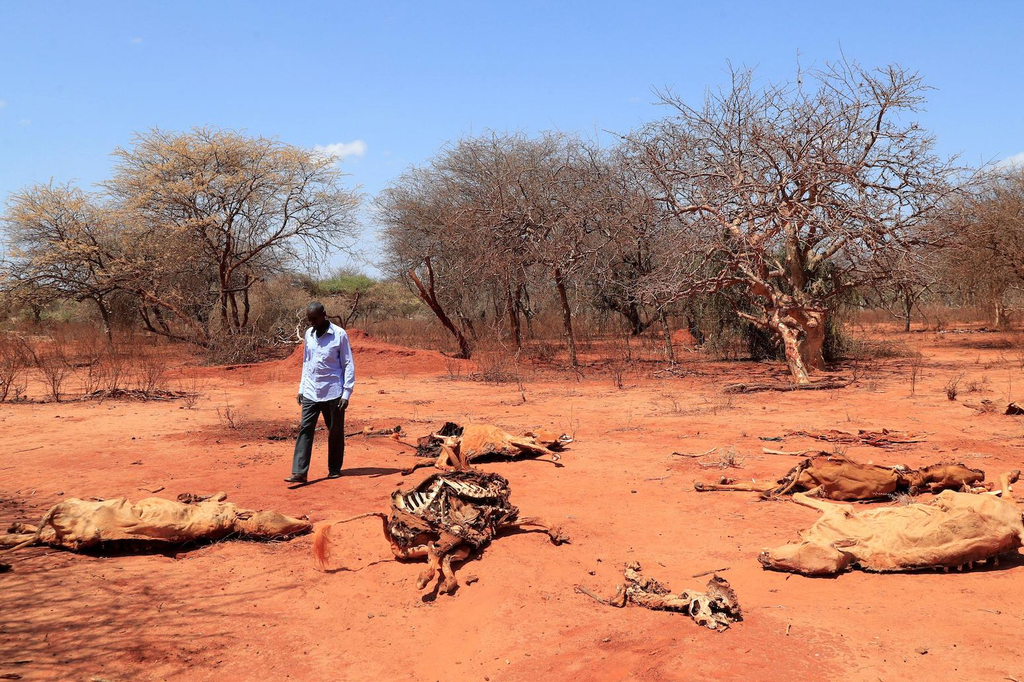

The IGAD Climate Prediction and Applications Centre (ICPAC) is strengthening efforts to forecast displacement caused by droughts and floods across the Greater Horn of Africa, as El Niño raises the risk of heavy rainfall that could damage homes, crops and infrastructure.
The initiative will combine climate forecasts with information on livelihoods, poverty and previous population movements to help governments and humanitarian agencies identify threatened communities and act before people are forced to flee.
This comes as the region prepares for potentially wetter conditions. An August 2026 outlook from ICPAC and national weather services have indicated an increased likelihood of above-normal rainfall during October to December, linked to a strengthening El Niño and conditions in the Indian Ocean.
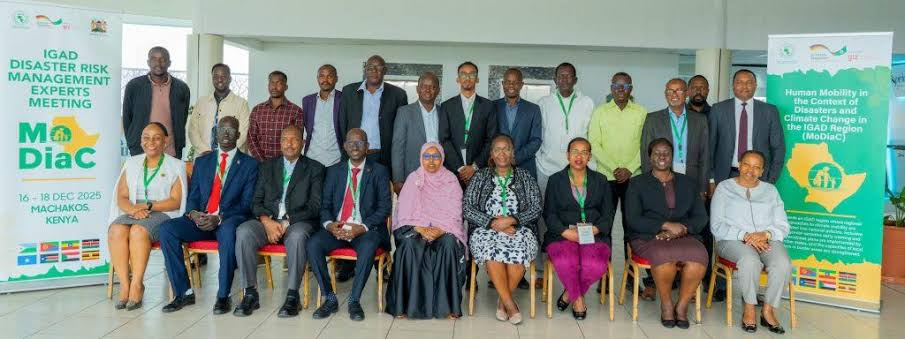
The ICPAC’s displacement forecasting approach was discussed at a regional consultation in Machakos, Kenya, under the Human Mobility in the Context of Disasters and Climate Change project (MoDIAC). The project brings together ICPAC, the Danish Refugee Council, IGAD member states, GIZ and other technical partners.
“Climate-related mobility is not caused by climate hazards alone,” ICPAC said in its summary of the meeting. “Poverty, conflict, dependence on farming and livestock, and weak preparedness can determine whether a drought or flood forces people to leave. Families with limited savings or access to assistance may struggle to recover after losing a harvest, livestock or a home.”
ICPAC already produces forecasts showing likely rainfall conditions one to three months ahead, and MoDIAC aims to link these forecasts with data on vulnerable communities to estimate where displacement could occur, how many people could be affected and what assistance they might need.
The information could help authorities position food and other supplies before roads are cut off, protect livestock and infrastructure, and issue warnings that give communities time to prepare or evacuate.
The World Meteorological Organisation (WMO) says extreme weather and climate change are worsening hunger, insecurity and displacement across Africa, with droughts and floods
The World Bank estimates that up to 86 million people in Sub-Saharan Africa could become internal climate migrants by 2050 under a pessimistic scenario. It identifies water scarcity, declining crop productivity and other slow-developing climate impacts as pressures that could drive movement.