Five Lessons Africa Can Teach the World About Super El Niño

Five Lessons Africa Can Teach the World About Super El Niño

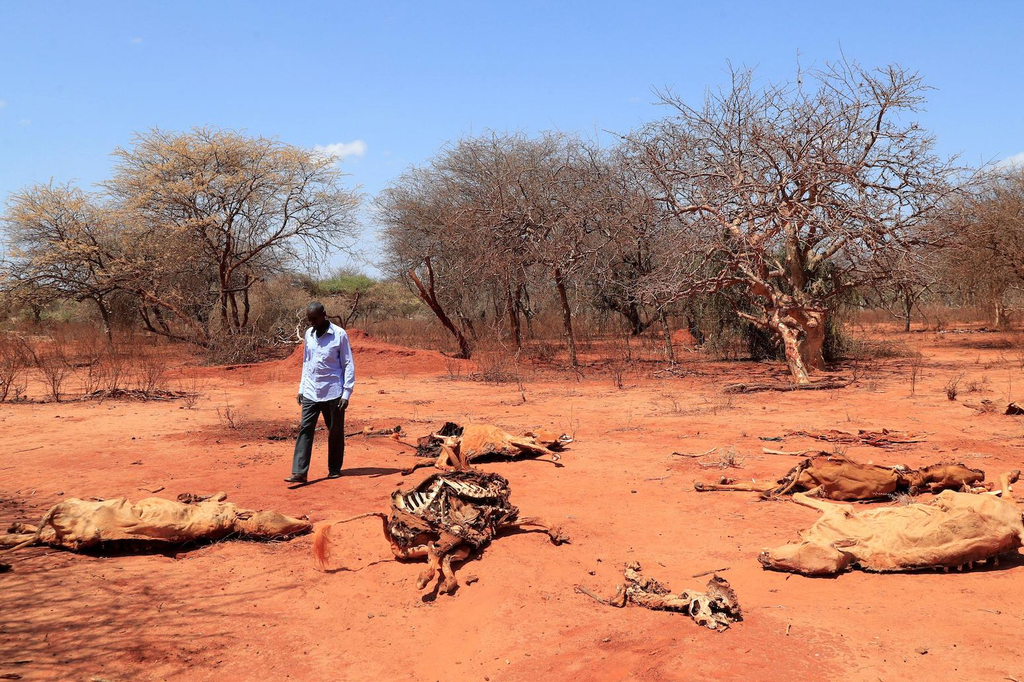
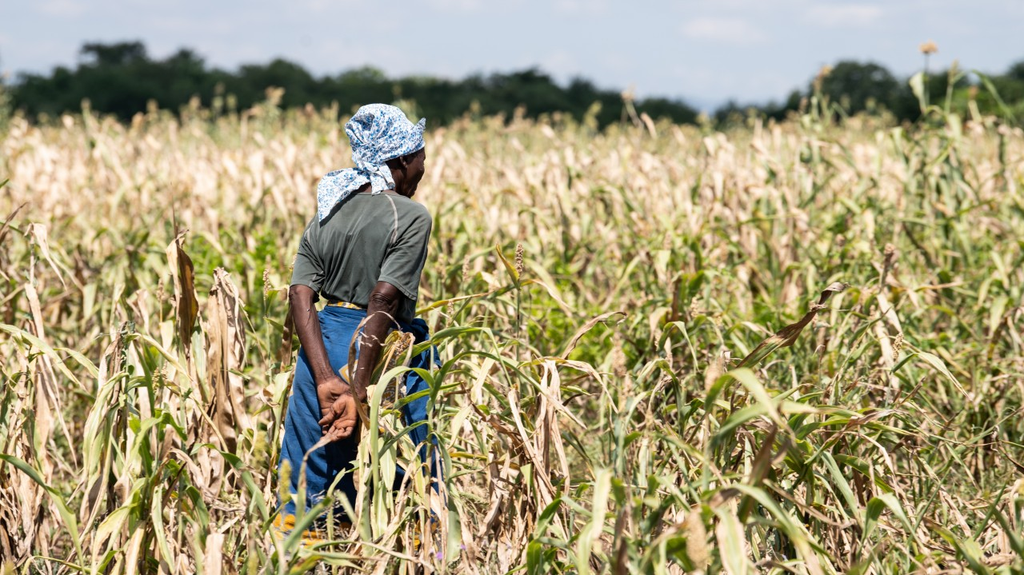
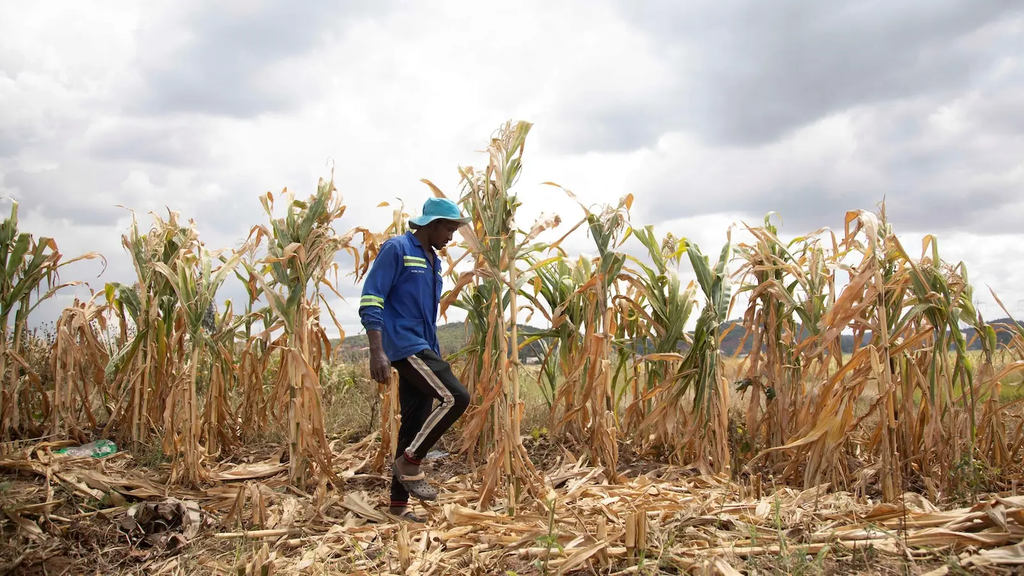
As scientists warn that a powerful "Super El Niño" could develop in 2026, experts argue the world has much to learn from Africa's decades of experience managing climate extremes. From early warning systems and climate-resilient crops to community-led adaptation and integrated planning, Africa's hard-earned lessons offer a blueprint for building resilience in an increasingly unpredictable climate.
El Niño Starts, Putting Preparedness Efforts in Focus

El Niño Starts, Putting Preparedness Efforts in Focus

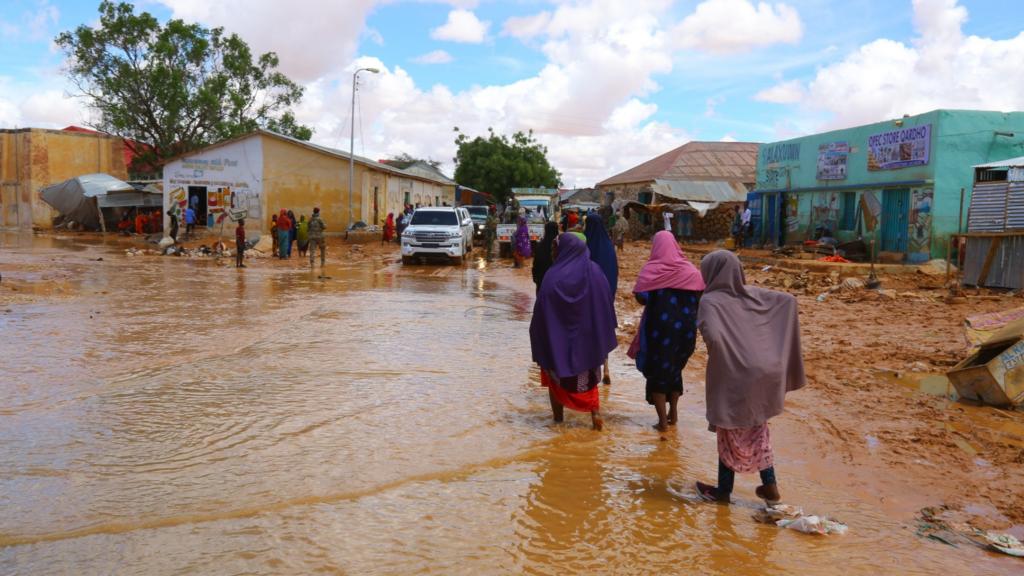
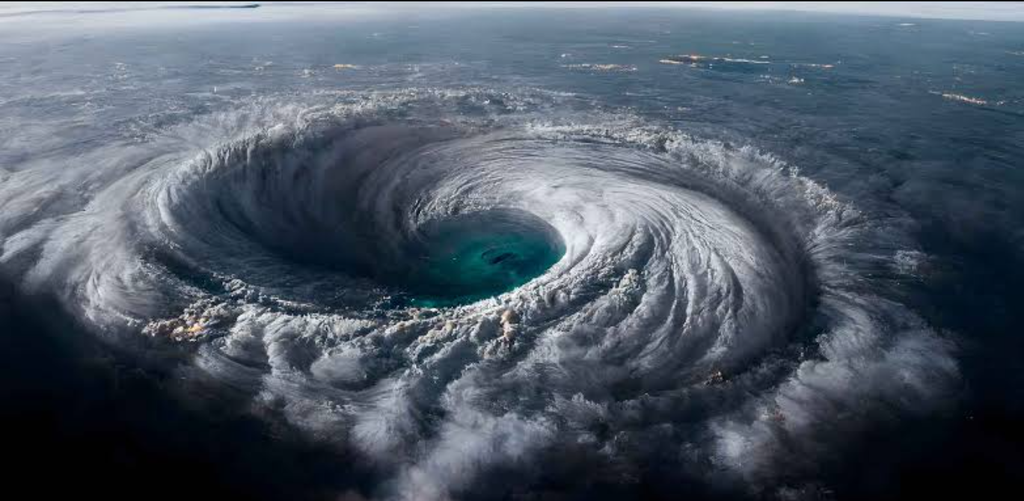
The arrival of El Niño has renewed global preparedness efforts as forecasters warn the climate phenomenon could strengthen into a very strong event by late 2026. Experts are urging governments and communities to use advanced forecasts to prepare for potential floods, infrastructure damage, disease outbreaks, and other climate-related impacts.
El Niño Set to Hit Within Weeks, Says WMO

El Niño Set to Hit Within Weeks, Says WMO

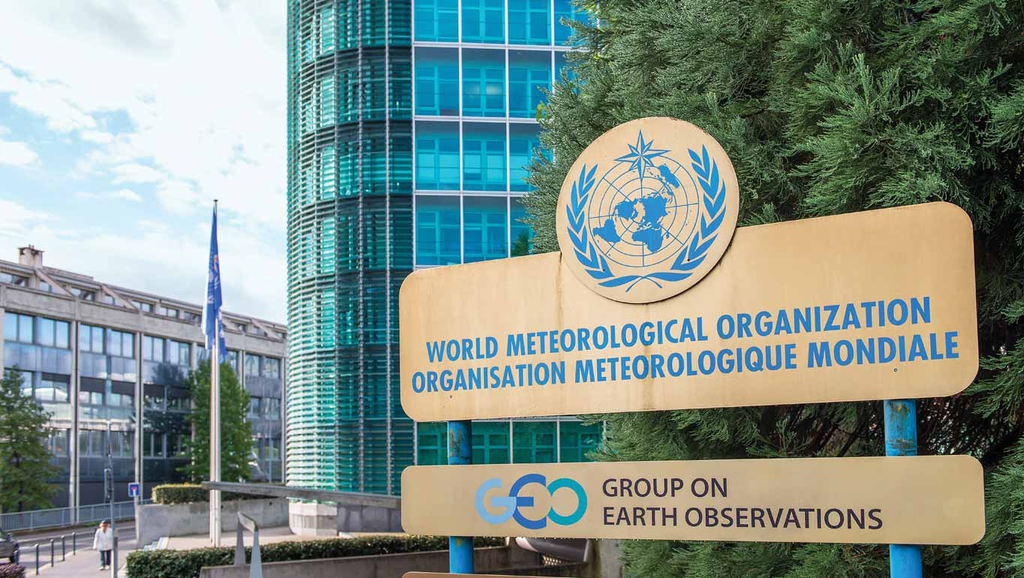
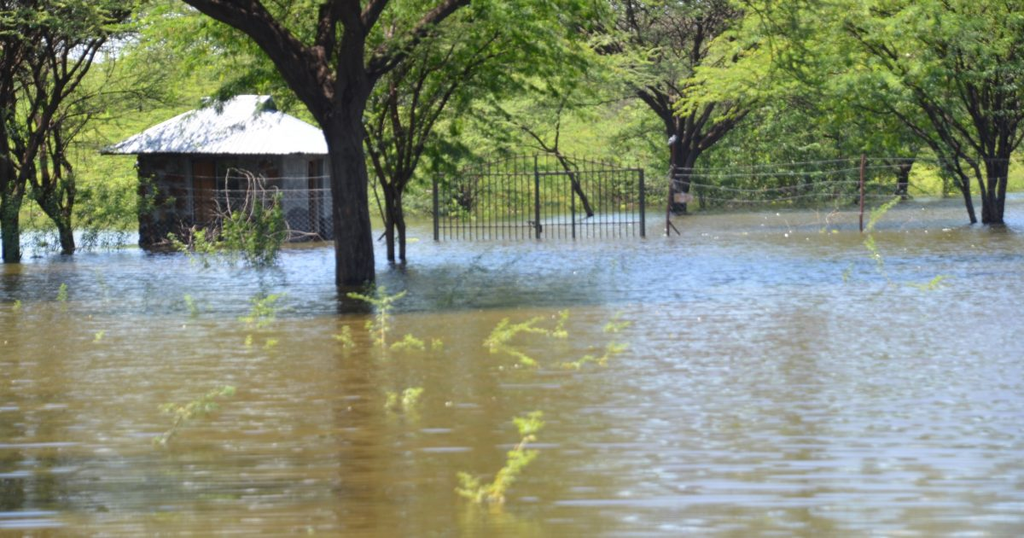
The World Meteorological Organization warns that El Niño could begin between May and July, with a high likelihood of strengthening into a significant event. The climate phenomenon is expected to disrupt global weather patterns, bringing above-average rainfall to parts of East Africa, including Kenya, while increasing the risk of floods, disease outbreaks, and infrastructure strain.