
The long-anticipated El Niño has officially arrived, prompting renewed attention on countries preparedness ahead of what could become a powerful climate event.
The U.S. National Oceanic and Atmospheric Administration (NOAA) confirmed on June 11, 2026, that El Niño conditions are now present in the tropical Pacific Ocean, marking the official start of a phenomenon that forecasters expect to strengthen significantly in the coming months.
According to NOAA’s El Niño Advisory, rapidly warming sea surface temperatures in the equatorial Pacific have reached levels consistent with the climate pattern, with a 63 percent chance that the event could attain “very strong” status between November 2026 and January 2027.
“El Niño conditions are present and expected to strengthen in the coming months,” NOAA said, warning that the phenomenon could influence weather extremes, temperatures, rainfall patterns and storm activity across many parts of the world.
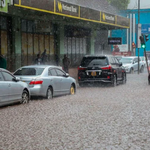
Historically in East Africa, strong El Niño events have been linked to above-normal rainfall across parts of the region, often resulting in floods, landslides, displacement of communities, outbreaks of water-borne diseases and damage to infrastructure.
Scientists say the emerging El Niño is being driven by unusually warm ocean waters and a substantial buildup of heat beneath the Pacific surface. The phenomenon occurs when sea surface temperatures in the central and eastern equatorial Pacific become significantly warmer than average, disrupting atmospheric circulation and altering weather patterns across the globe.
The development is being closely watched in East Africa, where memories of previous El Niño episodes remain vivid. The 1997-98 El Niño, one of the strongest on record, triggered devastating floods across Kenya, Uganda, Tanzania and other parts of the region, causing widespread destruction of roads, bridges, homes and agricultural land.
Climate experts note that while El Niño often increases the likelihood of wetter-than-normal conditions in East Africa, impacts can vary considerably depending on local weather systems and the timing of seasonal rains. As a result, forecasters are urging caution against assuming that all areas will experience the same outcomes.
The World Meteorological Organization has also warned that the developing El Niño could increase the risk of extreme weather events worldwide. The agency says advances in seasonal forecasting now provide countries with valuable lead time to prepare communities, protect infrastructure and safeguard livelihoods before severe impacts occur.
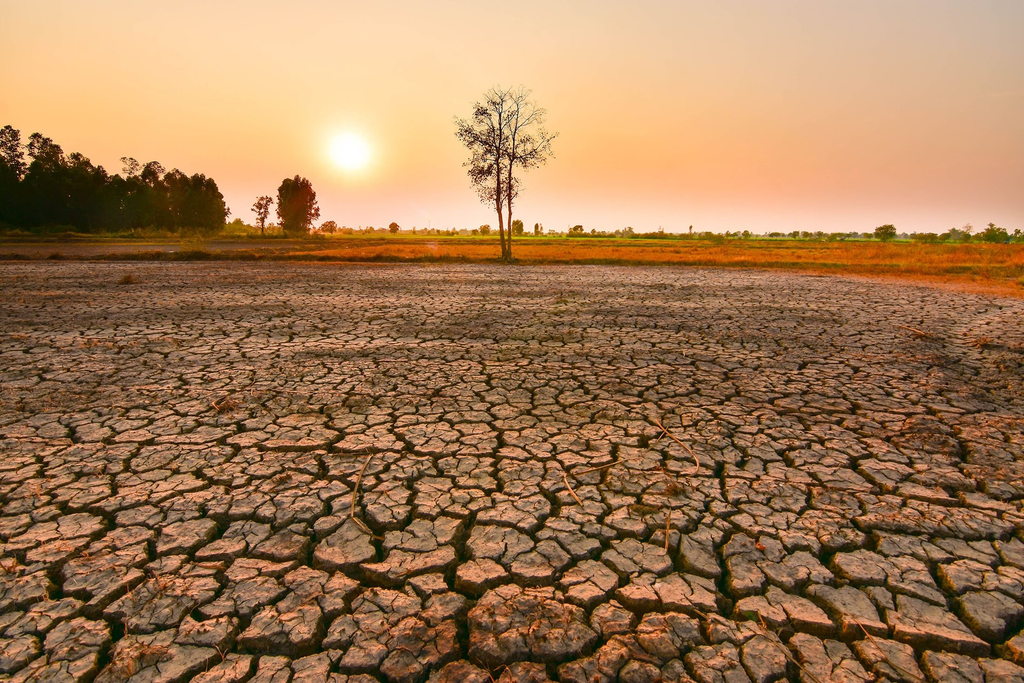
Beyond East Africa, El Niño is expected to influence weather patterns across multiple continents, bringing increased rainfall to some regions while contributing to drought conditions in others, including parts of Australia, Indonesia and Asia.
The phenomenon is also known to elevate global temperatures, raising the possibility that 2027 could rank among the warmest years ever recorded if the event reaches its projected strength.