
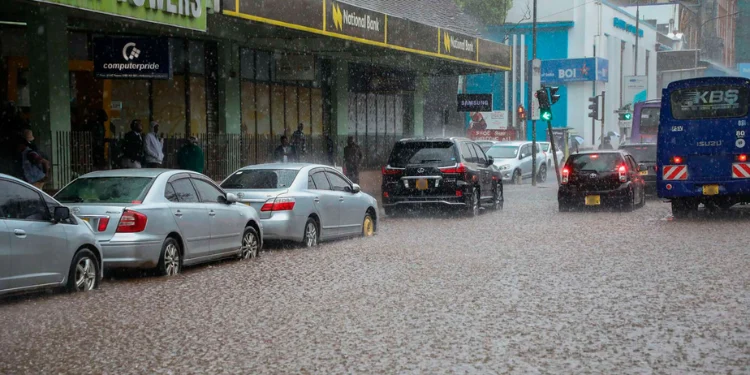

The Kenya Meteorological Department (KMD) has announced that El Niño’s effects in Kenya are expected to vary by season and regions.
The June-July-August (JJA) seasonal forecast indicates that the Highlands West of the Rift Valley, the Lake Victoria Basin, the Rift Valley and parts of northwestern Kenya are likely to receive near-average to below-average rainfall during the June-August season.
In contrast, the Coast is expected to experience near-average to above-average rainfall, while Nairobi, the Highlands East of the Rift Valley and some highland areas of Marsabit and Taita Taveta counties may experience occasional cool and cloudy conditions accompanied by light rainfall.
The department further noted that most southeastern lowland areas and northeastern Kenya are expected to remain largely sunny and dry during the period.
Temperatures across most parts of the country are forecast to remain warmer than average, a development that could increase water stress in already dry regions and affect agricultural activities.
However, meteorologists say the greatest concern lies later in the year. KMD noted that El Niño is generally associated with enhanced rainfall during the October-November-December (OND) short-rains season, often increasing the risk of flooding, landslides and other weather-related disasters.
The agency is also monitoring conditions in the Indian Ocean, where the Indian Ocean Dipole (IOD) currently remains neutral. Climate models suggest it is likely to remain neutral through June but could shift to a positive phase later in the year.
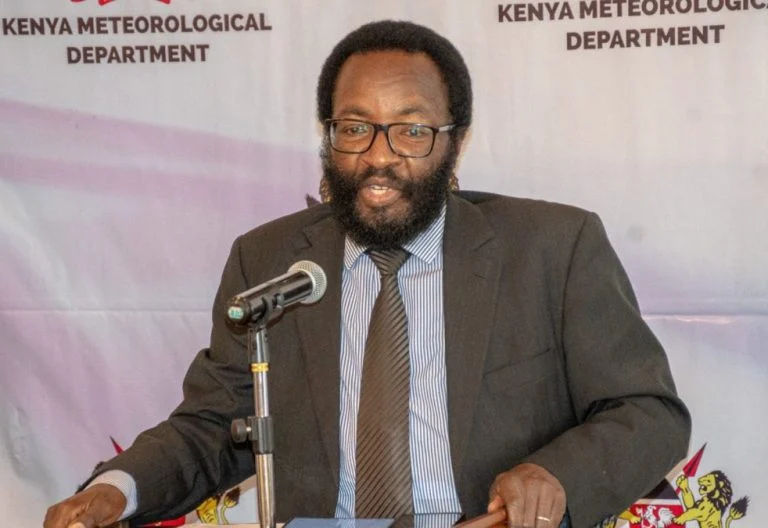
According to KMD, a combination of El Niño and a positive IOD has historically amplified rainfall over Kenya, potentially leading to wetter-than-normal conditions during the OND season.
“It is important to note that the influence of El Niño does not occur in isolation,” the department said, adding that the IOD can significantly modulate the impacts of El Niño across East Africa.
The forecast comes as memories remain fresh of previous El Niño episodes that triggered widespread flooding, infrastructure damage and displacement in several parts of the country.
KMD emphasized that forecasts remain subject to change as new climate data becomes available but urged the public, farmers, disaster management agencies and county governments to closely monitor official weather advisories and begin preparedness planning.
The department said it will continue issuing monthly updates on both El Niño and IOD conditions and expects to release its national forecast for the October-November-December 2026 rainy season in late August or early September.
“KMD remains committed to providing timely weather and climate information to safeguard lives, livelihoods and property through proactive planning and coordinated response measures,” the agency said.