
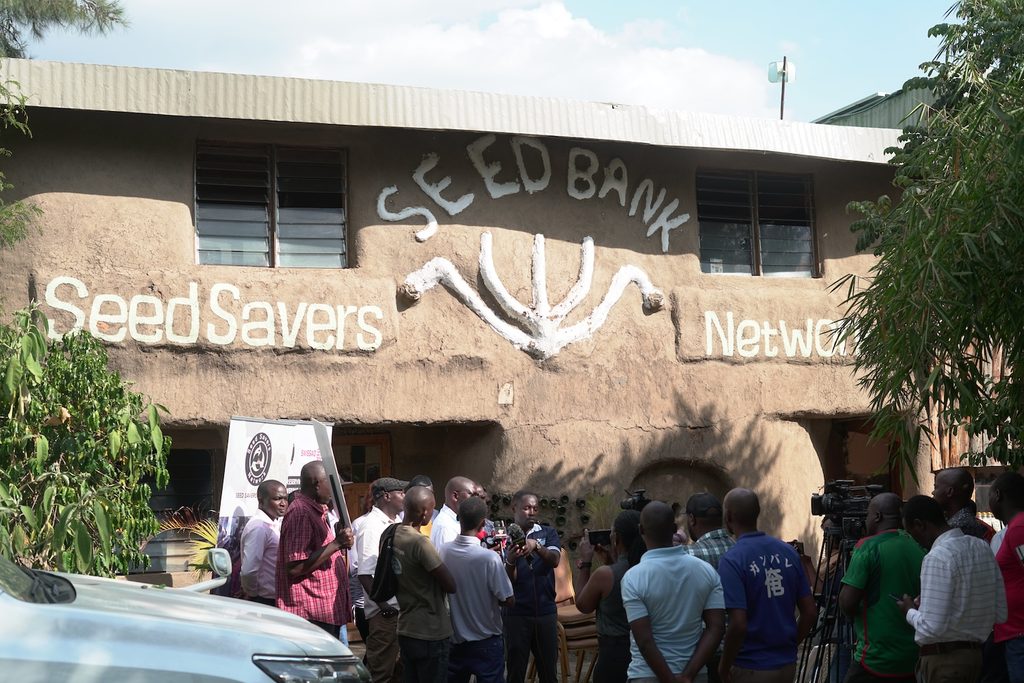

By James Wakibia
Farmers and conservation groups are intensifying efforts to protect indigenous seeds, warning that the country is losing critical crop diversity needed for long-term food security.
Led by Nakuru Seed Savers, a network of farmers involved in seed conservation, the seed advocates say they are working to preserve traditional crop varieties that are increasingly disappearing from farms and local seed systems.
They describe the initiative as a response to a growing biodiversity crisis in agriculture, where indigenous crops are being replaced by a narrow range of commercial varieties.
According to research by the Seed Savers Network, more than 30 traditional crop varieties have been lost over the past 20 years across 10 surveyed villages, raising concerns about the resilience of Kenya’s food systems.
A representative from the Seed Savers Network said seed saving remains central to conservation efforts. “The only way we can continue conserving our agricultural biodiversity is through seed saving,” the representative said.
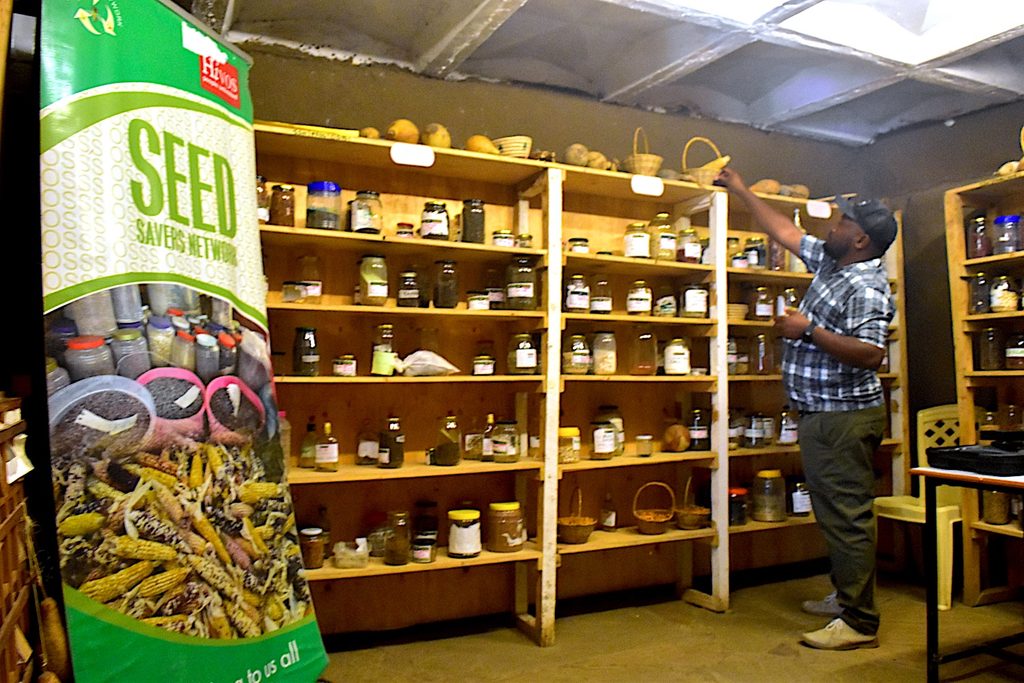
Agricultural experts and farmer groups say the decline in traditional crop varieties is weakening the country’s ability to withstand climate shocks such as droughts, floods and erratic rainfall. They argue that genetic diversity in crops is essential for adapting to changing environmental conditions and reducing dependence on a limited number of commercial seeds.
For years, Kenya’s seed regulations have largely favoured commercial seed systems, with critics saying they sidelined traditional farmer-managed seed practices.
Some farmer-led seed exchange systems were effectively restricted under the Seed and Plant Varieties Act, creating tensions between formal seed regulation and informal seed systems that dominate rural agriculture.
A turning point came on November 27 last year when the High Court declared parts of the Seed and Plant Varieties Act unconstitutional, opening the way for legal reforms.
Following the court ruling, government agencies and research institutions say there is now a policy shift aimed at formally recognising farmer-managed seed systems within the national seed framework.

Nyamongo Desterio of the Genetic Resources Research Institute (GeRRI) said the government is moving to integrate what has traditionally been considered an informal seed sector into the formal system.
“The government is now, more than ever before, most committed to ensuring that what we currently commonly refer to as the informal seed sector… is mainstreamed in the seed sector and industry,” Desterio said.
He noted that the informal seed sector supplies about 80 per cent of Kenya’s seeds, particularly in rural areas where access to certified commercial seed remains limited.
Desterio added that indigenous seeds are key to climate resilience. “Our mandate is to conserve the genetic diversity, particularly Kenya’s genetic diversity, and the indigenous seed is part of that resource. Not just conserving, but also promoting this utilization for purposes of combating production resilience in the face of climate change,” he said.
A new seed law is currently being drafted to replace the existing legislation and formally recognise farmer-managed seed systems. The proposed law is expected to protect farmers’ rights to save, use, exchange and sell seeds, while also addressing concerns over biopiracy and the use of indigenous genetic resources.
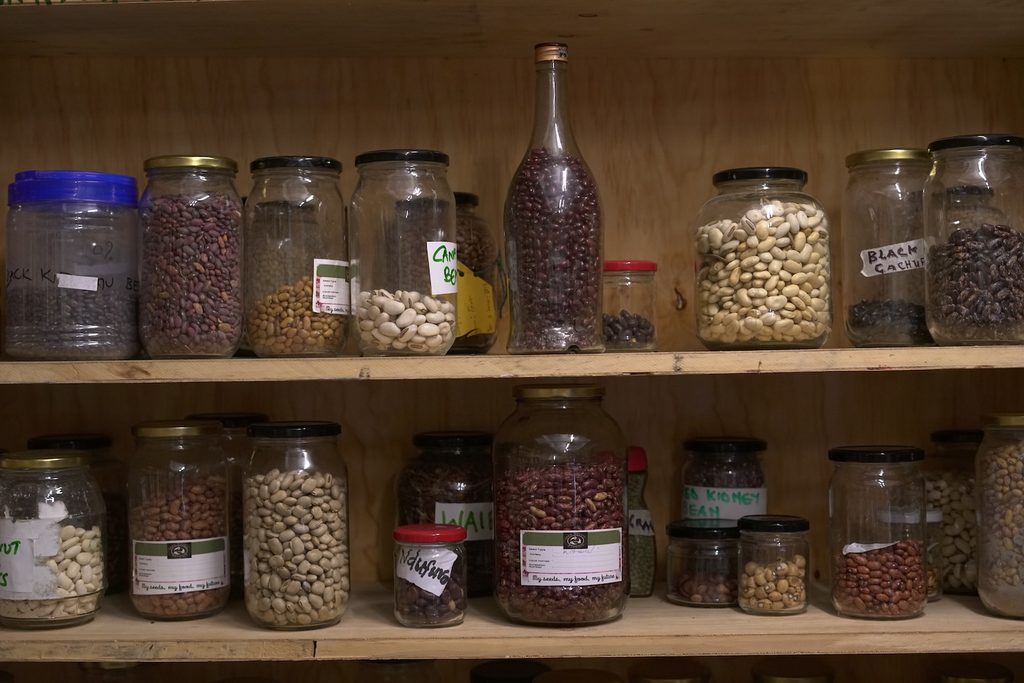
Farmer groups say the reforms would also ease access to seeds for rural communities that often travel long distances or pay high prices for commercial seed inputs.
A representative from the Seed Savers Network said the reforms would reduce costs for small-scale farmers. “Farmers who live very far from the shops in the villages don’t have to travel… they don’t have to pay a lot of money,” the representative said.
Across Kenya, more than 124 community seed banks have been established as part of efforts to conserve indigenous seed varieties. The seed banks are used to store, exchange and document traditional crops, and are supported by volunteers commonly referred to as seed ambassadors, who promote awareness and training on seed preservation.
As the new seed law undergoes public participation and parliamentary review, farmer groups and conservation networks are calling for stronger legal protection of farmer rights and indigenous seed systems.
They say the reforms could also create economic opportunities for small-scale seed producers and community seed banks.