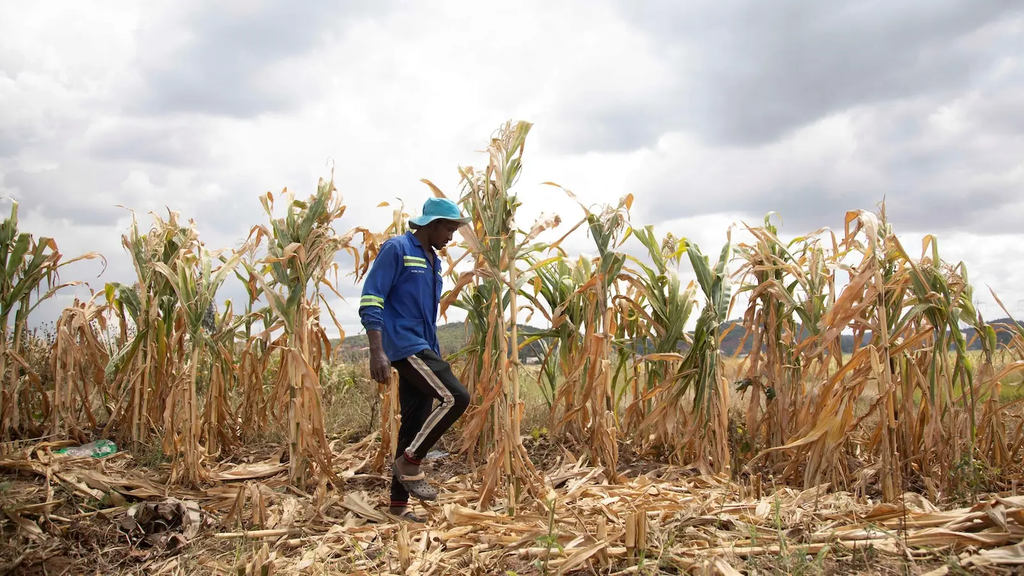

A potentially historic El Niño weather phenomenon this year could disrupt food production across Africa, threatening harvests of staple crops and exposing millions of people to heightened food insecurity, according to a new analysis by the European Commission’s Joint Research Centre (JRC).
Scientists warn that the developing El Niño, which has a high probability of becoming one of the strongest on record, could significantly alter rainfall patterns and temperatures across the continent, bringing drought to some regions, destructive floods to others, and widespread agricultural disruption.
The JRC analysis identifies Sub-Saharan Africa as one of the regions most vulnerable to declines in crop productivity as shifting weather conditions interfere with planting and harvesting seasons.
“Agricultural production, particularly of staple foods such as maize, may face increased uncertainty,” the report says, warning that changing rainfall patterns and extreme temperatures could reduce yields in several food-producing regions.
The warning comes at a time when many African countries are already grappling with the impacts of climate change, including recurrent droughts, floods, rising temperatures and declining agricultural productivity.
Millions of households across East Africa, Southern Africa and the Sahel depend on rain-fed agriculture for both food and income, making them particularly vulnerable to climate shocks.
According to the JRC, the impacts of El Niño are likely to vary across Africa. Some regions especially in Southern Africa could experience severe drought conditions that damage crops and pastureland, while others like East Africa may face excessive rainfall, flooding and soil erosion that destroy farms and infrastructure.
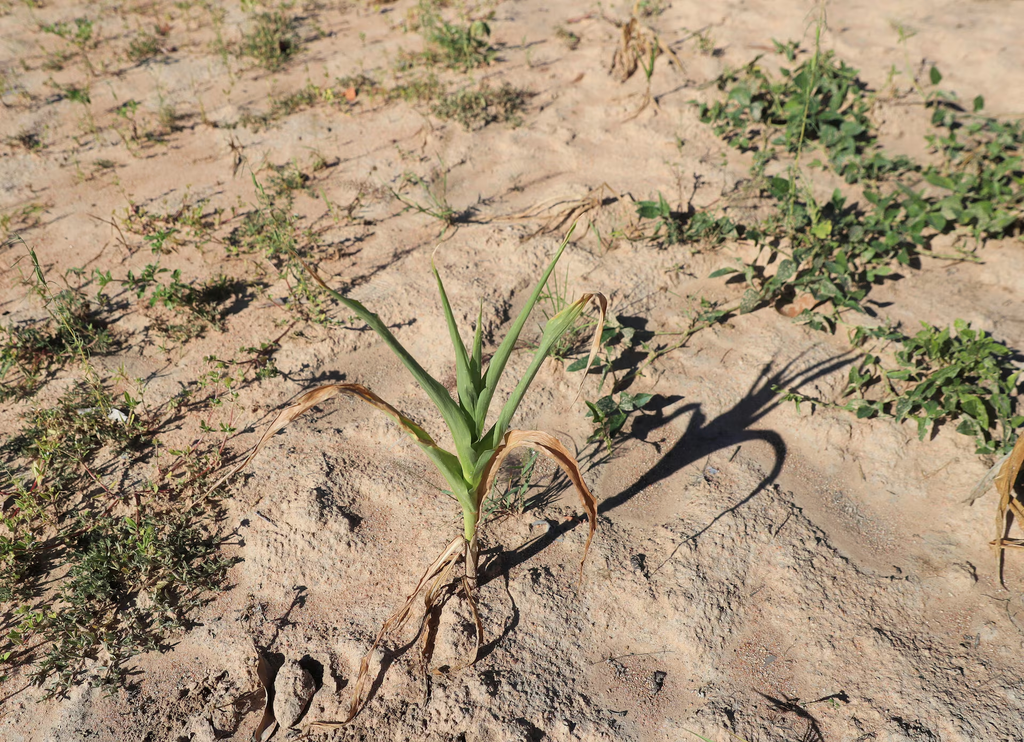
For East Africa, the phenomenon presents a complex challenge. While some areas may receive above-average rainfall, the resulting floods can wash away crops, damage roads and irrigation systems, and increase the risk of waterborne diseases. In drier regions, prolonged rainfall deficits could worsen existing food shortages and livestock losses.
The report warns that the consequences could extend beyond farms and rural communities as reduced agricultural output often triggers higher food prices, placing additional pressure on urban households already struggling with the rising cost of living.
Global commodity markets may also feel the impact, given that El Niño has historically disrupted agricultural production in several major food-producing regions around the world, leading to volatility in the prices of maize, wheat, rice and other essential commodities. Such price increases could further strain food-importing African nations.
The latest warning highlights the growing intersection between climate variability and food security. Scientists note that the current El Niño is developing in a warmer world, where climate change is intensifying weather extremes and amplifying their consequences.
The JRC says the predictability of El Niño provides governments with a critical opportunity to prepare. Early interventions, including climate-smart agriculture, improved weather forecasting, strategic grain reserves and support for vulnerable farming communities, could help reduce losses and strengthen resilience.
As governments and humanitarian agencies monitor the evolving climate conditions, experts are urging urgent preparedness measures to protect harvests, stabilise food systems and shield vulnerable communities from what could become one of the most consequential climate events in recent years.