
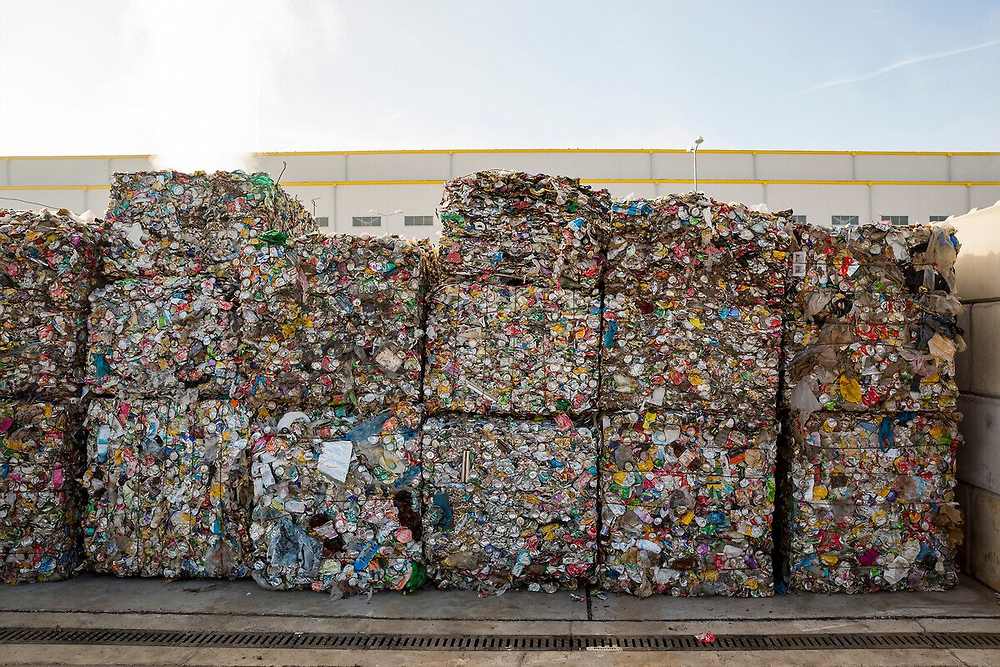

Nairobi is currently facing a silent crisis as rapid urbanization outpaces the city’s ability to manage its mounting waste.
According to research by the Clean Air Fund, the city generates 3,000 tonnes of waste daily, yet over half of it is illegally dumped or left uncollected.
This growing mountain of trash has turned natural lifelines like the Nairobi River into de facto garbage receptacles and sewage channels.
The traditional approach of hiding waste infrastructure underground is failing, as it creates a psychological “out of sight, out of mind” attitude among residents. A recent report by Sustainability Circle highlights a revolutionary alternative from rural Japan where drainage systems are kept visible and alive.
In these Japanese regions, clear waterways filled with fish and plants run through the streets, fostering a deep emotional connection with the community. Because the water is visible and teeming with life, residents are significantly less likely to pollute what they perceive as a shared living system.
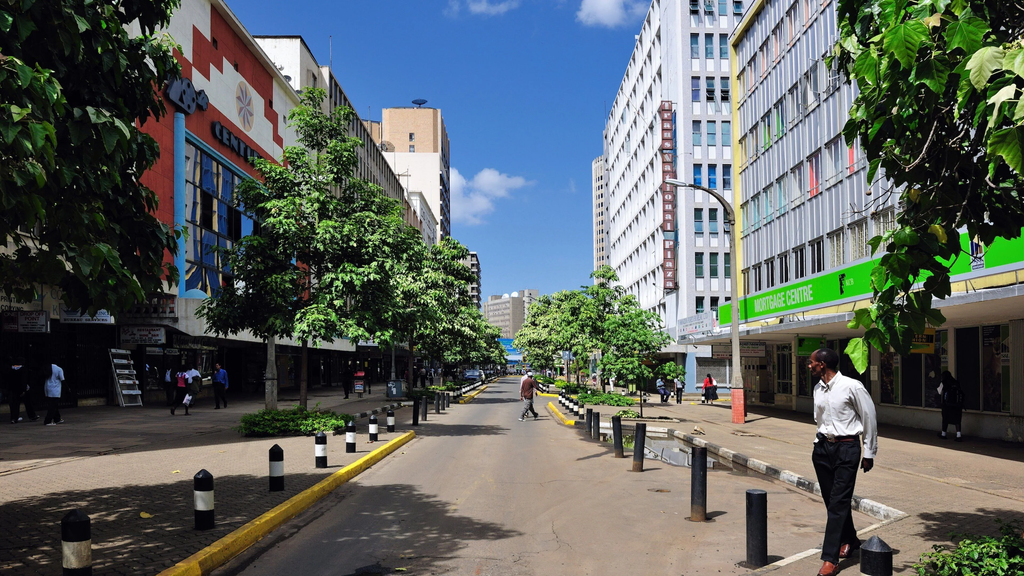
Applying this “visible ecosystem” model to East Africa could transform how citizens interact with their urban environment and municipal infrastructure. The scale of the challenge is immense, with Kampala producing 2,000 tonnes of garbage daily and Dar es Salaam recording the region’s highest per capita waste generation.
As noted in the journal Sustainability, the reliance on massive, unregulated landfills like Dandora and Kiteezi poses severe health risks to millions. Clogged drains are a primary symptom of this crisis, leading to devastating urban flooding and the spread of waterborne diseases during rainy seasons.

To combat this, smart technologies like solar-powered “Tech Bins” are being proposed for high-traffic areas like Nairobi’s Central Business District.
These intelligent bins use IoT sensors to alert collectors before they overflow, ensuring streets remain clean while optimizing municipal resources.
Beyond technology, community-led circular economy models are proving effective in managing the high percentage of organic waste found in African cities. Companies like Taka Taka Solutions in Kenya are already leading the way by transforming waste collection into a resource for organic fertilizer.
Empowering local youth groups to manage decentralized composting centers can divert up to 70% of waste from reaching already overwhelmed landfills.
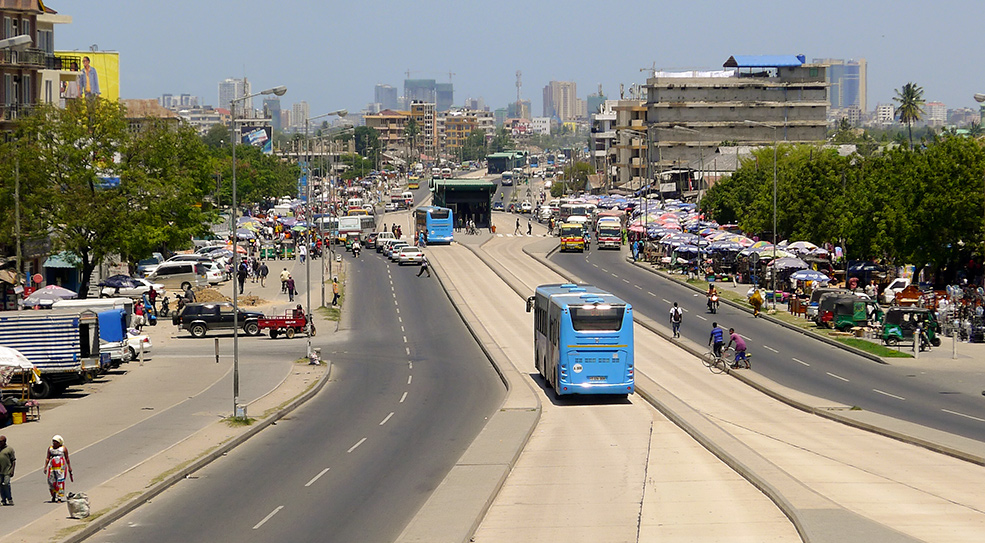
Restoring the Nairobi River to a visible ecological corridor would not only improve sanitation but also provide much-needed green space for the public.
By shifting from hidden pipes to visible, thriving ecosystems, East African cities can cultivate a new culture of environmental decency and shared responsibility. The future of African urbanism lies in blending these global innovations with local community action to create cleaner, more resilient streets.
This transformation is not just about engineering; it is about reshaping the human connection to the environment we call home.