
Kenya is among the beneficiaries of a Ksh 407 million funding injection from the United Kingdom’s Blue Planet Fund aimed at scaling ocean finance and insurance innovations across the Global South.
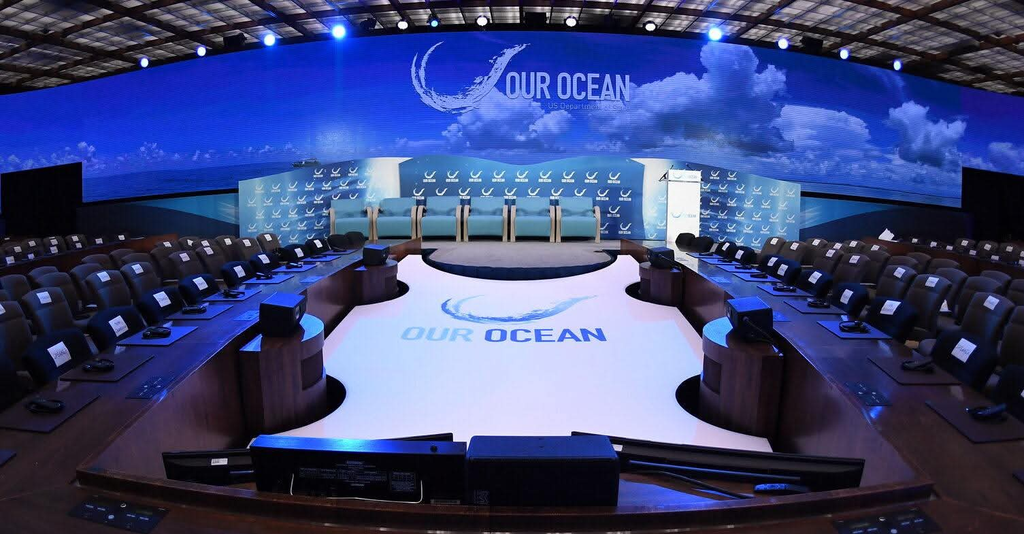
The funding, channelled through the Ocean Risk and Resilience Action Alliance (ORRAA), will support six pioneering initiatives that aim to facilitate investment in marine ecosystems, small-scale fisheries, and blue carbon markets. The announcement was made during the Our Ocean Conference held in Mombasa.
The new investment will be used to expand previously piloted projects that range from insurance schemes for fishers to carbon credit systems based on mangrove and seagrass ecosystems. According to ORRAA, the initiatives are designed to convert climate and ocean risks into resilience-building financial opportunities for vulnerable coastal populations.
The Ksh 407 million 2 package contributes to ORRAA’s broader ambition of mobilising at least $500 million in ocean-focused finance and insurance mechanisms, with a target of supporting 250 million climate-vulnerable coastal people across the Global South by 2030. So far, the UK government has committed approximately Ksh 2.87 billion to ORRAA, supporting 36 projects across 19 countries and reaching more than 250,000 people.
Marine Minister Emma Hardy said the initiative reflects the real-world impact of climate finance on coastal livelihoods. “Behind every statistic is a fishing community better protected from storms, a mangrove forest pulling carbon from the atmosphere, a family no longer at risk of losing their home to rising seas,” she said. She added that ORRAA is advancing innovative tools such as marine biodiversity credits, including projects in Kenya.
ORRAA Executive Director Karen Sack said the latest funding would advance the development of investable solutions for climate-vulnerable coastal communities. She noted that the alliance is focused on scaling financial tools that protect both people and ocean ecosystems.
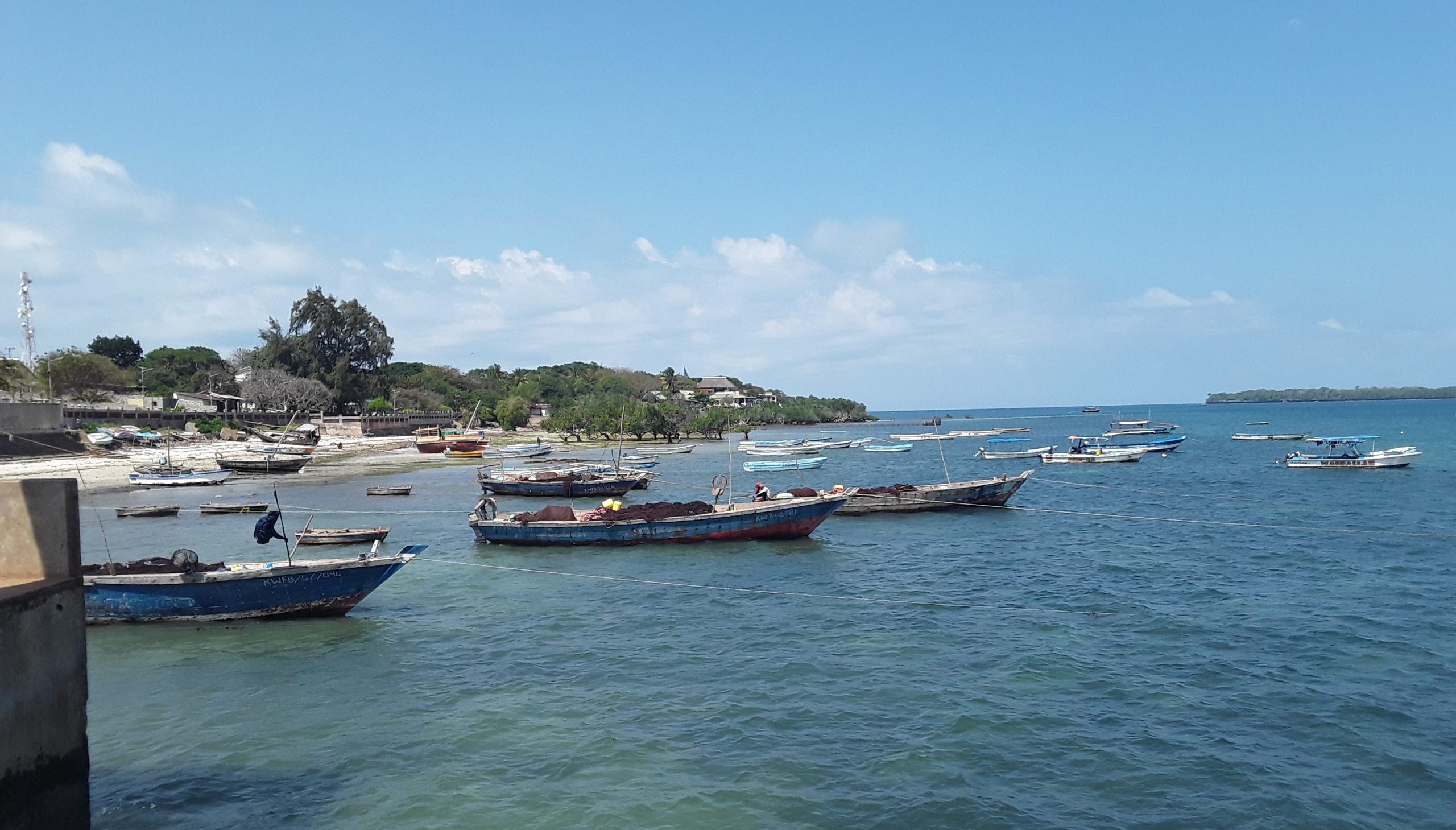
Kenya features prominently in the new wave of projects. The Association for Coastal Ecosystem Services (ACES) will advance the Vanga Seagrass Project, which is working toward becoming the first seagrass initiative certified under the Plan Vivo Nature Standard, creating a potential model for nature-based carbon and biodiversity credits in the country.
In addition, Rare will develop a weather index-based parametric insurance product in Kenya designed to protect small-scale fishers from climate-related income losses. The model builds on similar insurance systems already being implemented in the Philippines and is expected to improve financial resilience for coastal fishing communities.
Other initiatives under the funding include the expansion of the world’s first impact bond for small-scale fishers in Indonesia, led by Rare; a blue carbon credit programme in Tanzania focused on community-led mangrove restoration; microinsurance schemes for fishing communities in Colombia led by MarViva; and a mangrove carbon credit project in the Dominican Republic led by CI-Atabey.