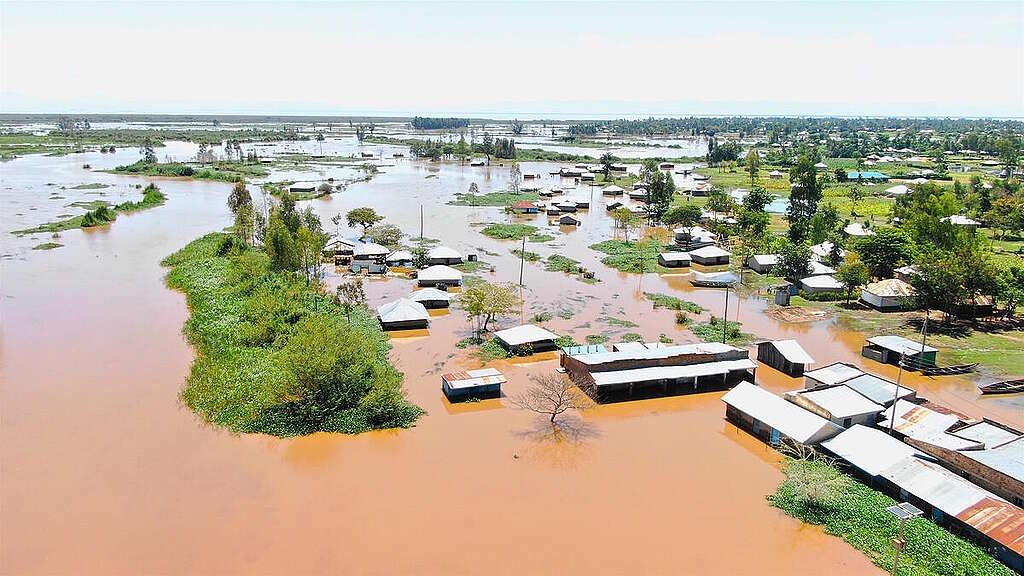

Faith leaders in Kenya have been urged to prepare emergency shelters and set aside funds to help communities at risk of flooding during the October–December rainy season.
Dr John Kioli, chairman of the Kenya Climate Change Working Group (KCCWG), called on religious institutions to prepare early, warning that residents of informal settlements and people with disabilities could face particular difficulties when floods strike.
His appeal recalls the devastation of the 2024 floods, which exposed the vulnerability of densely populated neighbourhoods in Nairobi. During the March–May long rains, floodwaters inundated homes and displaced residents, with Mathare, Kibera and Mukuru among the hardest-hit informal settlements.
Kioli said faith institutions could play a critical role in providing refuge and assistance, building on the longstanding role of churches, mosques, temples and other places of worship as temporary shelters for displaced families.
He was speaking in Nairobi at a national capacity-building workshop for civil society organisations and faith actors on engagement with African Development Bank (AfDB) policy frameworks and the Mission 300 National Energy Compact. KCCWG organised the workshop with support from Christian Aid through the Africa Energy Advocacy Project.
“With El Nino prediction showing over 80% accuracy, faith partners should be in the forefront to offer support to people who will be displaced by floods especially in the informal settlements,” Kioli said.
He urged religious institutions to establish dedicated budgets for flood response and other environmental emergencies, and to ensure their preparations address the needs of people with disabilities. “Faith groups should identify where people with disabilities live and establish ways to reach them quickly during an emergency,” he said.
In Nairobi’s low-income neighbourhoods, the 2024 damage was compounded by crowded housing, fragile structures and inadequate sanitation. Human Rights Watch reported severe effects in Mathare, Mukuru Kwa Njenga and Kariobangi, where flooding left residents homeless and heightened the risk of disease.
For some families, the 2024 crisis extended beyond the floodwaters as authorities demolished homes in Mathare and Mukuru as part of efforts to clear flood-prone areas, adding to the upheaval facing residents already struggling to recover.