The WHO has outlined six interventions that could prevent hundreds of thousands of climate-related deaths annually while delivering major economic benefits.
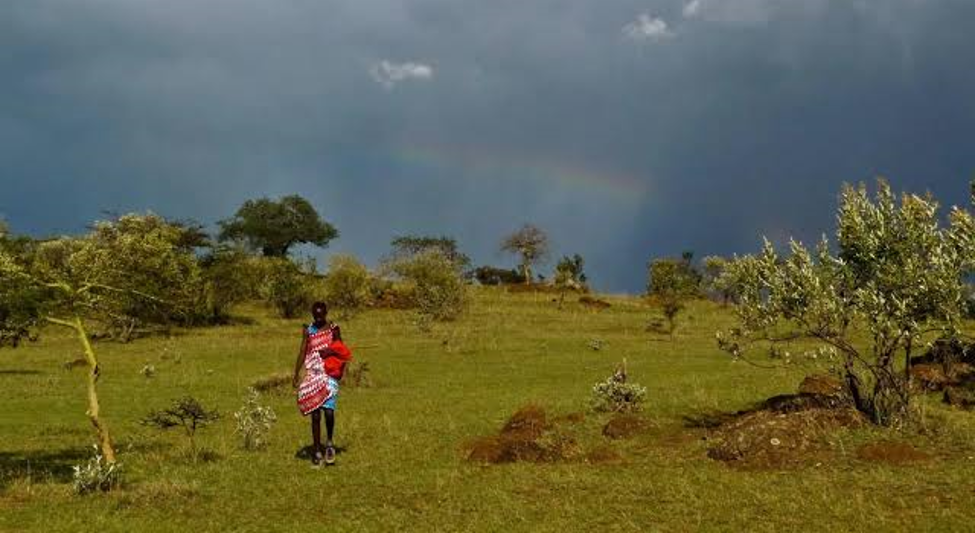
Africa is heading to COP31 demanding fairer climate finance, greater control over its critical minerals and a stronger role in shaping the global energy transition.
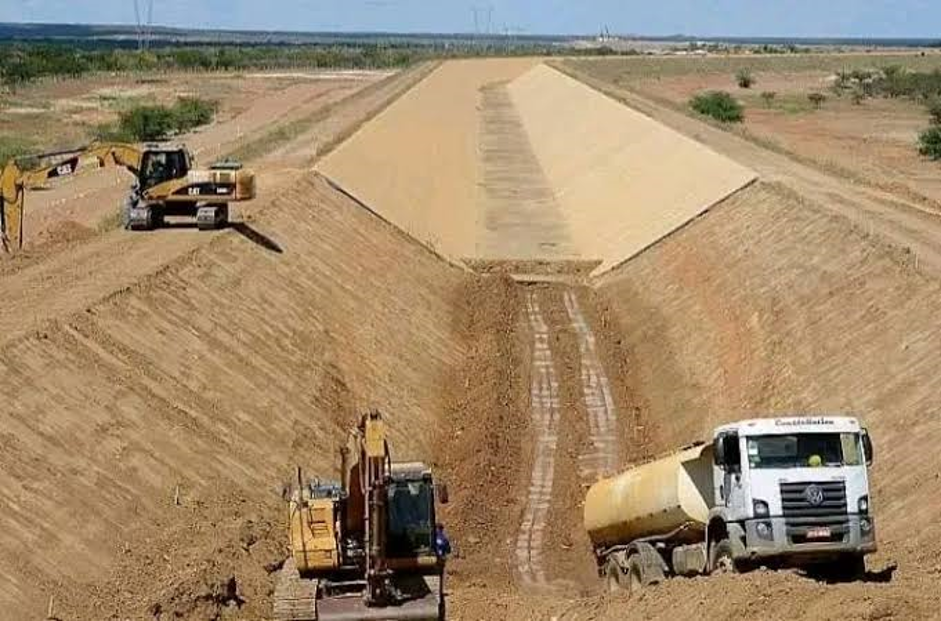
The World Bank warns that extreme weather could threaten Kenya’s economic growth, disrupt agriculture and transport, and increase food prices, urging greater investment in climate-resilient infrastructure.
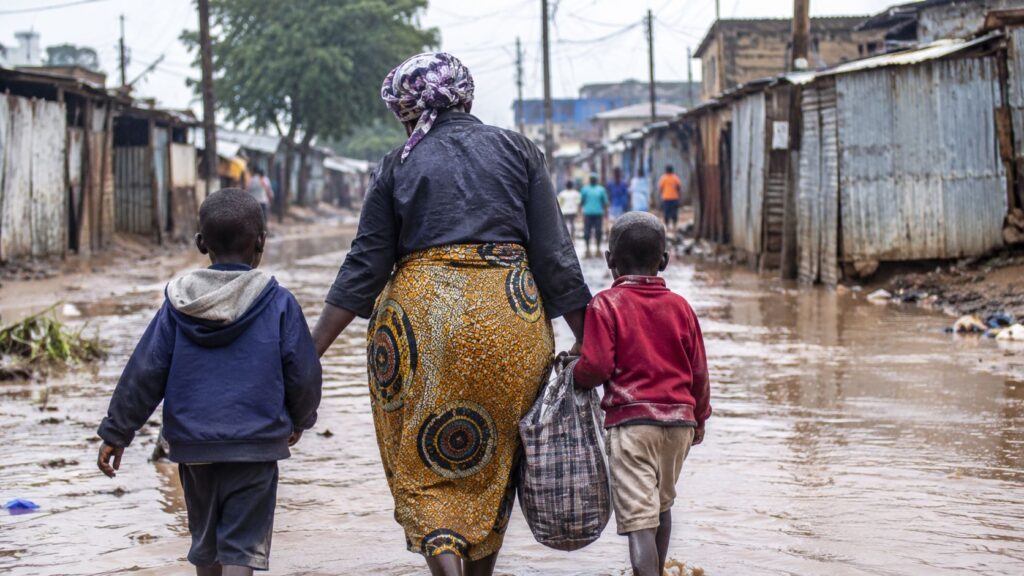
The world’s richest people contribute disproportionately to climate change, while poorer communities bear the greatest costs of floods, droughts and extreme heat, according to a new Oxfam report.
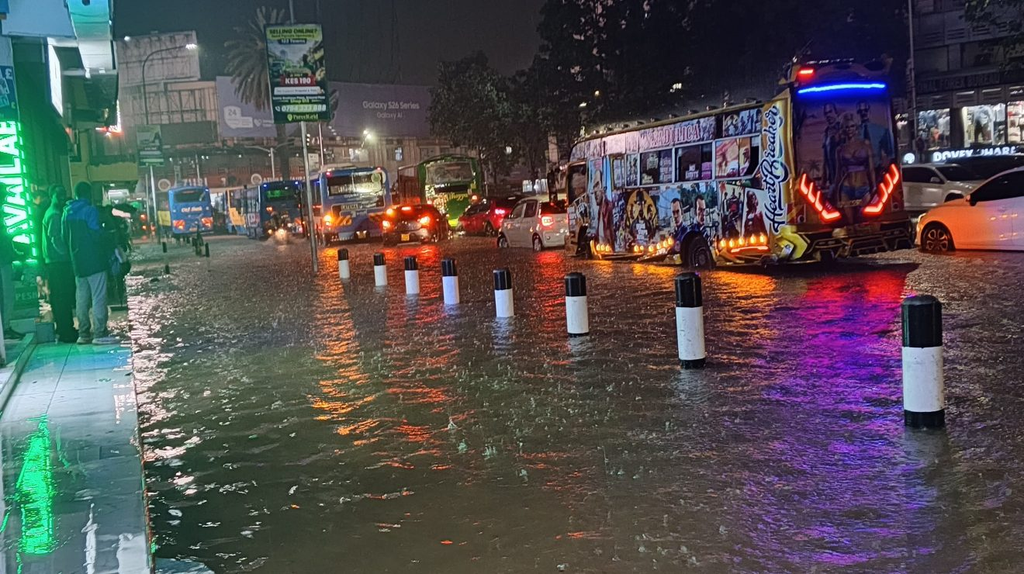
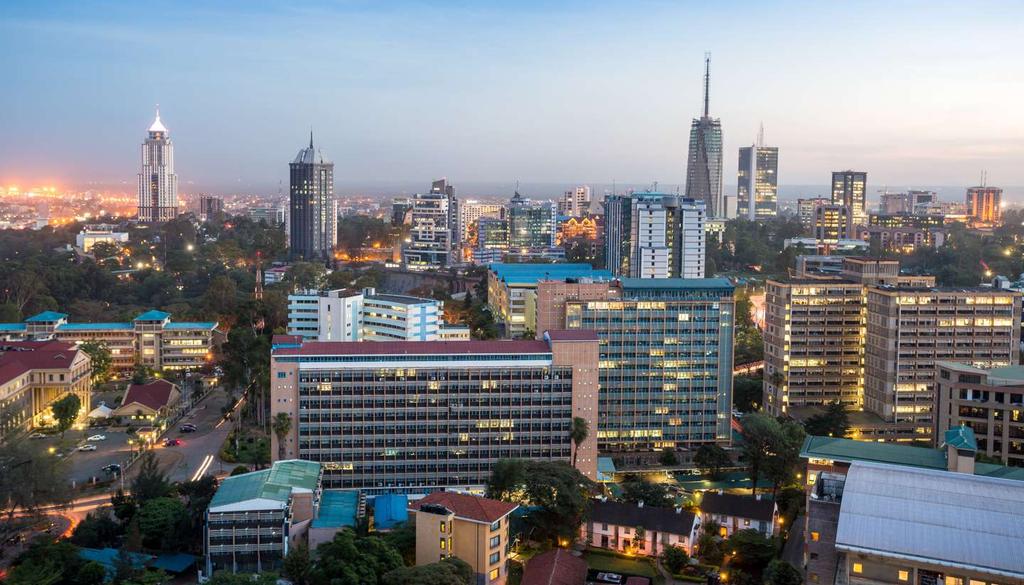
Nairobi's first significant rains have flooded several parts of the city, raising concerns about drainage preparedness despite billions of shillings allocated for El Niño flood mitigation.
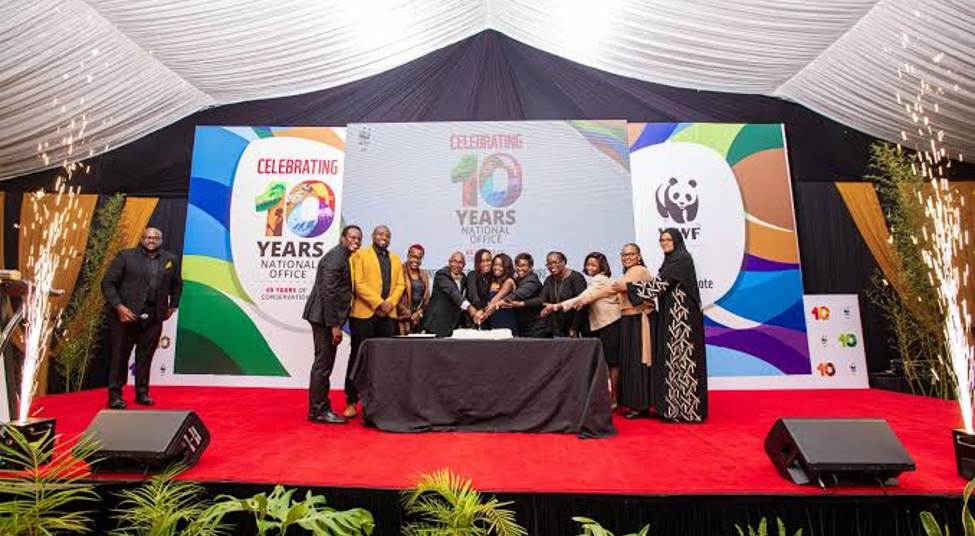
KCB Group has partnered with WWF-Kenya to mobilise climate finance for environmental conservation, ecosystem restoration and community livelihoods. The collaboration will leverage KCB’s KSh10 billion Green Climate Fund facility to develop investment-ready projects focused on tree growing, landscape restoration, clean cooking and solar energy.
Kenya’s rising temperatures are raising concerns about the health of children, newborns and pregnant women. A new framework launched by WHO, WMO, UNICEF and UNFPA recommends tracking health indicators alongside heat exposure to help governments detect risks, strengthen early-warning systems and improve protection for vulnerable populations.
Kenya could record an estimated 2,100 additional heat-related deaths by February 2027, according to a Climate Impact Lab analysis. With persistent heat and delayed rainfall raising concerns, researchers are urging stronger heat alerts, worker protections and measures to safeguard vulnerable communities.