
For Joe Gachanja, a dairy farmer in Ndeiya, Limuru in Kiambu County, manure is no longer a waste problem. It is the engine that powers his farm, cuts production costs and helps reduce greenhouse gas emissions.
As climate change intensifies and countries search for practical ways to reduce emissions while safeguarding food production, Gachanja’s farm offers a glimpse of what climate-smart agriculture can look like.
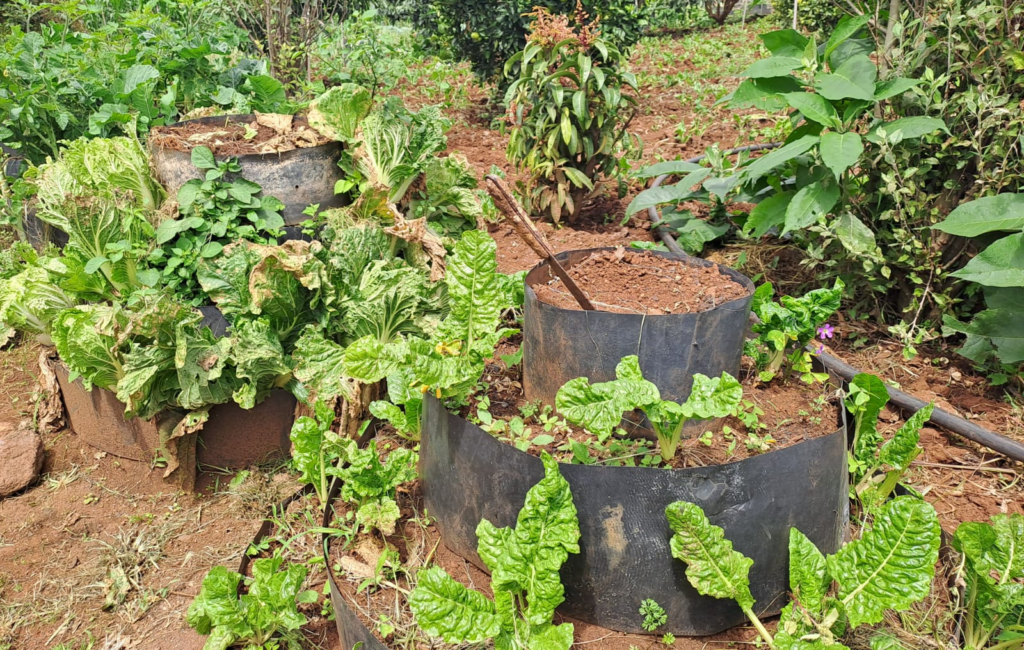
Through an 80-cubic-metre biodigester, manure from his dairy cows is converted into biogas used for cooking, heating water, powering farm equipment and generating electricity. The nutrient-rich slurry left after gas production is applied to crops as organic fertilizer, creating a circular farming system where virtually nothing goes to waste.
For Gachanja, the investment has transformed the economics of farming. “The system is not generating revenue directly. It is generating savings,” he says.
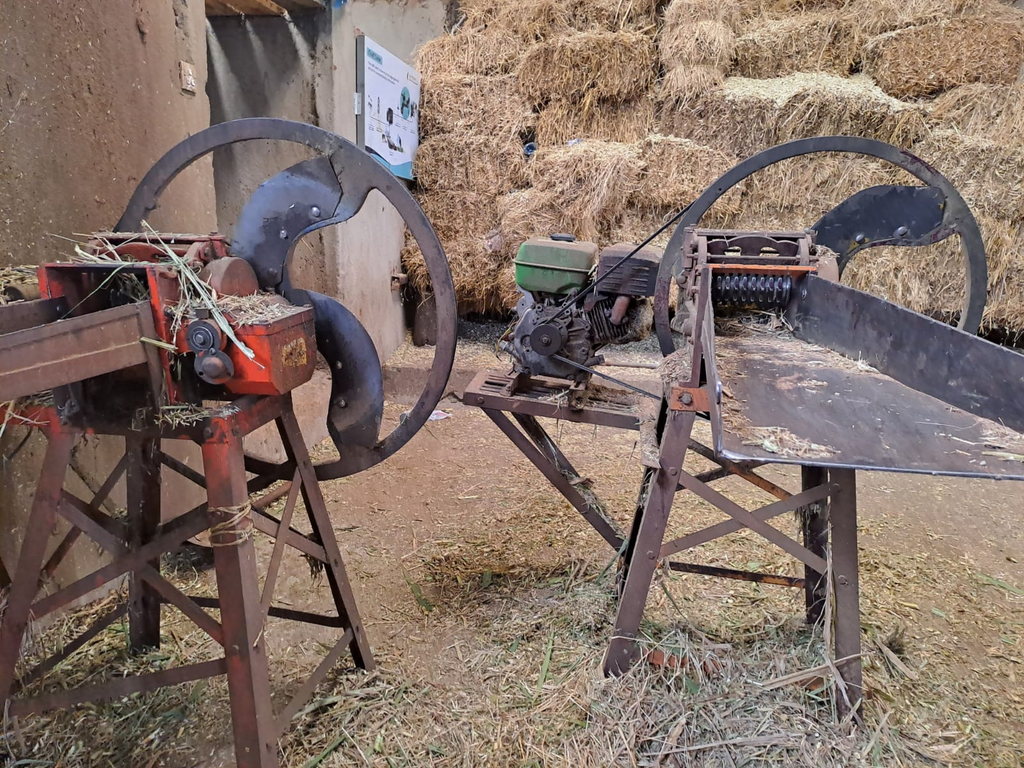
Those savings are substantial. Before installing the biodigester, the farm relied on petrol-powered machinery and grid electricity. Today, biogas powers the chaff cutter, heats water, supports chicken brooding and provides electricity for several farm operations.
“We are no longer paying electricity bills,” he explains. “For chaff cutting alone, we save about KSh30,000 every month because we no longer buy petrol. Before we used to spend KSh1000 daily in buying petrol.”
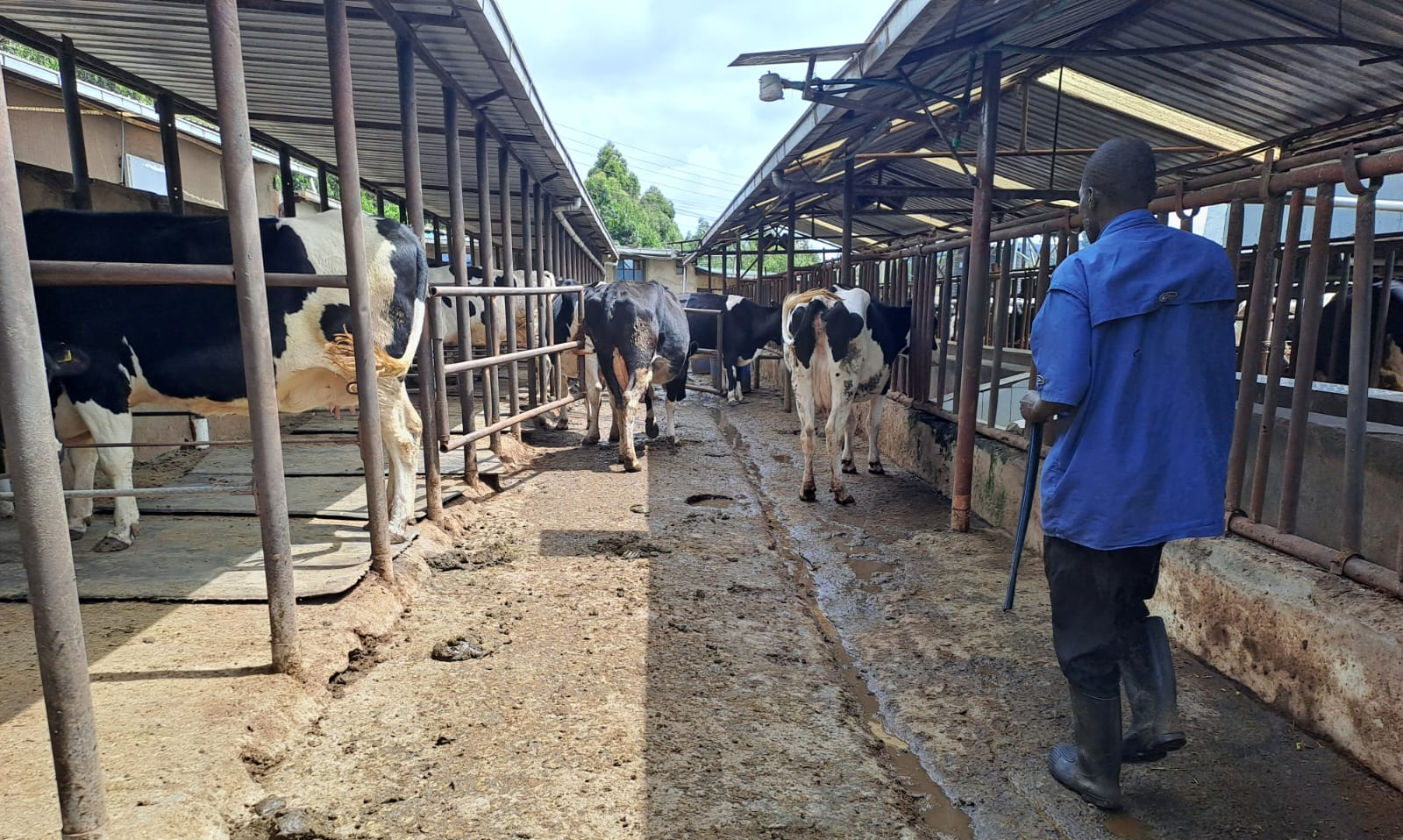
His four-acre farm, developed after leaving the construction industry, has grown from an initial 10 dairy heifers purchased during the COVID-19 pandemic to a herd of about 50 cows. That steady supply of manure keeps the biodigester operating throughout the year.
Beyond reducing energy costs, experts say such systems are becoming increasingly important because they simultaneously address two of agriculture’s biggest climate challenges: reducing emissions and helping farmers adapt to a changing climate.
According to the International Energy Agency (IEA), biogas and biomethane could supply about 20 percent of global gas demand using sustainable feedstocks while significantly cutting methane emissions from agriculture and organic waste.
“Methane is more than 80 times more potent than carbon dioxide over the short term, making its reduction one of the fastest ways to slow global warming,” says Claudia Arndt, Senior Scientist and Lead of the Mazingira Centre at the International Livestock Research Institute (ILRI).
The United Nations Environment Programme (UNEP) estimates that agriculture accounts for about 40 percent of human-caused methane emissions globally, largely from livestock. Instead of allowing methane from animal manure to escape into the atmosphere, biodigesters capture the gas and convert it into renewable energy.
For Kenya, where livestock contributes more than 40 percent of agricultural GDP and supports millions of rural livelihoods, that represents a major opportunity.
But biogas is more than a climate mitigation technology. It is increasingly becoming a climate adaptation necessity.
As prolonged droughts, rising fuel prices and erratic weather place growing pressure on farmers, biodigesters provide a reliable source of clean energy while reducing dependence on expensive electricity, diesel, charcoal and firewood.
At the same time, the bioslurry produced after digestion improves soil fertility, enhances moisture retention and helps crops withstand increasingly unpredictable weather.
Peter Mwaura, Productive Systems Sales Manager at Good Formula Limited, says successful installations begin by understanding how farmers intend to use the gas.
The company supplies both household biodigesters for domestic cooking and larger productive systems capable of supporting commercial dairy farms, schools and hotels.
“We first ask what they want the biogas to do,” he explains. “Some want cooking energy, while others need to power chaff cutters, milking machines, water heating or chicken brooding. Each application has different energy requirements.”
Designing the right system requires evaluating livestock numbers, equipment power requirements and available space. “The relationship between livestock and gas production is very important,” says Mwaura. “Sometimes farmers expect more gas than their animals can realistically produce, so proper sizing is essential.”
According to Michael Wakoli, Head of Technical Operations for Africa at Sistema.bio, Kenya’s mixed crop-and-livestock farming systems make the country particularly well suited to biogas technology.
“Many dairy farmers with just two to six zero-grazed cows already produce enough manure for household cooking,” he says.
Consistency, rather than sheer volume, determines how well a biodigester performs. Fresh manure must be mixed with water daily to maintain the microorganisms responsible for producing methane.
While the initial investment can appear high, Wakoli says the economics are increasingly attractive.
“Well-managed household biodigesters typically recover their installation costs within one to two years through savings on cooking fuel, electricity and chemical fertilizers,” he explains.
On larger farms, replacing diesel and electricity used for feed preparation, milk cooling and water heating can generate even greater savings.
However, experts caution that successful biogas systems depend on proper installation, regular feeding and adequate technical support. Many underperforming systems result not from faulty technology but from poor design, inconsistent operation or inadequate maintenance.
Even on Gachanja’s farm, the system requires careful management. Cold weather slows microbial activity, reducing gas production, while periods of surplus gas require controlled release to ensure safe operation.
Yet he says the greatest benefit has come from an unexpected source: bioslurry.
“We don’t use chemical fertilizers anymore,” he says. “The fertilizer comes from the by-product of the biogas.”
Researchers say bioslurry retains valuable nutrients such as nitrogen, phosphorus and potassium while improving soil structure, increasing water retention and stimulating beneficial microbial activity. These properties not only reduce fertilizer costs but also strengthen resilience against drought and declining soil fertility, making farms better able to withstand climate shocks.
Some farmers are even beginning to sell surplus bioslurry, creating an additional income stream.
Beyond agriculture, wider adoption of biogas could help Kenya tackle another pressing challenge of dependence on traditional cooking fuels. According to the IEA, nearly two-thirds of households in sub-Saharan Africa still rely on firewood or charcoal. Replacing these fuels with biogas reduces indoor air pollution, lowers carbon emissions and eases pressure on forests.
Despite these benefits, adoption remains relatively low. High upfront costs, limited awareness and inadequate financing continue to discourage many smallholder farmers.
Wakoli believes affordable credit, flexible repayment plans and targeted government incentives could significantly accelerate uptake. Demonstration farms are also helping rebuild confidence by allowing farmers to see functioning biodigesters before investing, and Gachanja’s farm has become one such learning centre.
“When other farmers come here to learn, it is very satisfying,” he says. “If more farmers installed biogas, we would reduce fuel costs, produce organic food and help the environment.”
He believes government support through grants or affordable loans would enable many more farmers to purchase dairy cows and install biodigesters.
As climate change continues to threaten food production through droughts, erratic rainfall and rising production costs, experts argue that biogas is not just an alternative energy source. Rather, it is an integrated climate solution that reduces methane emissions, replaces fossil fuels, restores soil health, lowers production costs and strengthens resilience within a single farming system.
For Kenya’s livestock farmers, turning waste into renewable energy may prove to be one of the country’s most practical pathways towards climate-smart agriculture and a more sustainable food future.