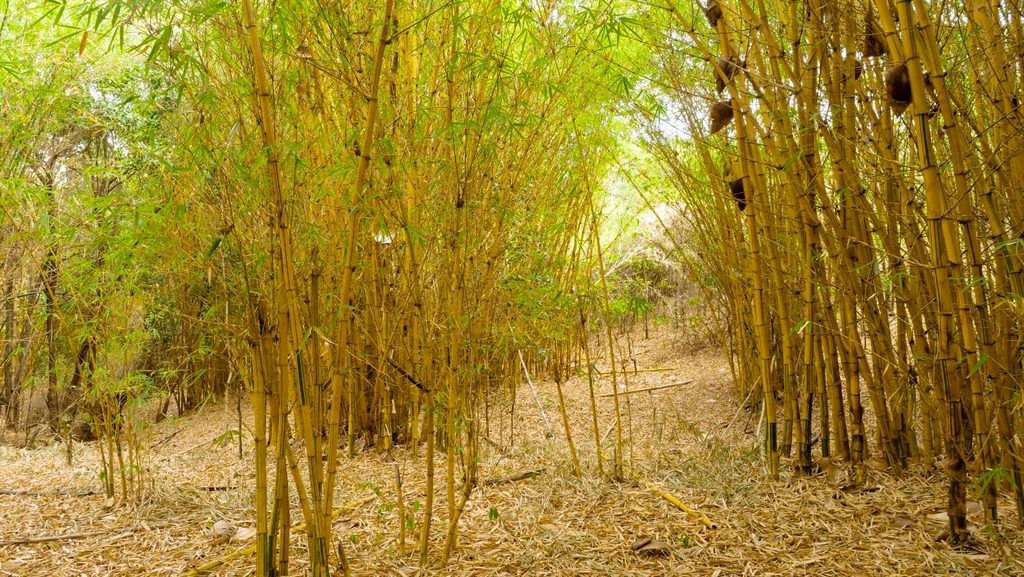
Kenya is turning to bamboo as a nature-based solution for restoring water sources, rehabilitating degraded land and creating jobs. In Meru County, communities say bamboo has helped revive springs while supporting women-led businesses. Under its National Bamboo Development Strategy 2025–2035, Kenya plans to add 150,000 hectares of bamboo, while promoting processing and manufacturing to keep more value and jobs in the country.
Kenya faces a US$5.13 billion annual biodiversity financing gap that, coupled with fragmented ecological data and uneven species monitoring, could undermine its ability to meet the 2030 Global Biodiversity Framework targets.
Kenya's livestock farmers are increasingly turning farm waste into clean energy through biogas technology, reducing greenhouse gas emissions while cutting production costs. As climate change intensifies, biodigesters are proving to be a practical solution that delivers renewable energy, organic fertilizer, improved soil health and greater resilience for farmers across the country.
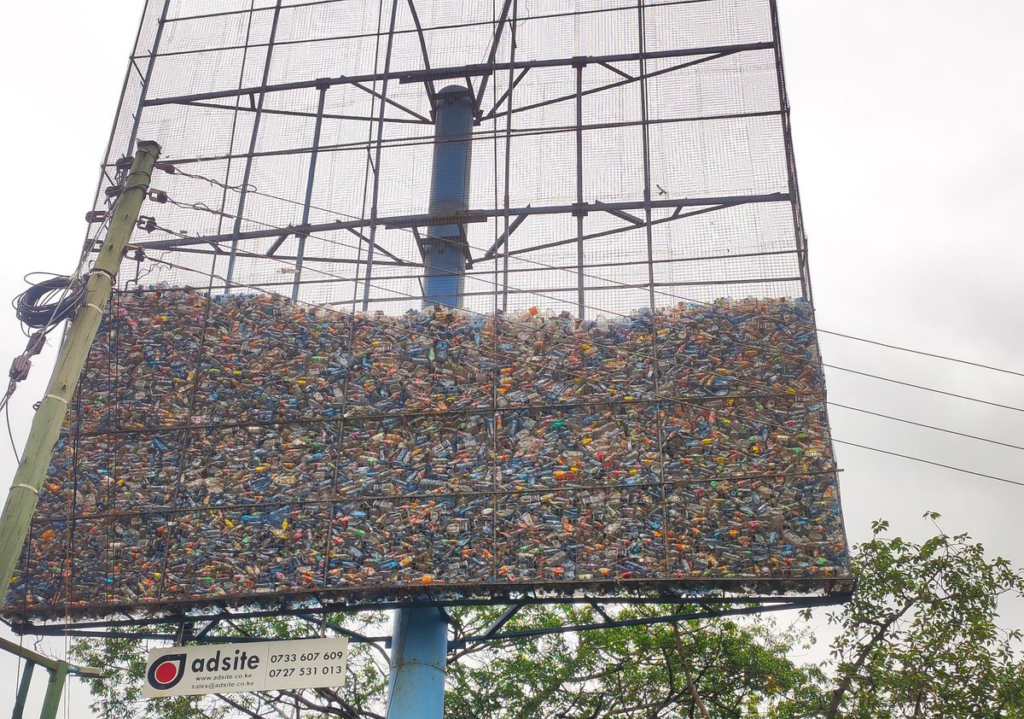
Kenya's "Tunataka Taka" campaign is reshaping how communities view waste by promoting a circular economy where discarded materials become valuable resources. Backed by the Kenya Extended Producer Responsibility Organization (KEPRO), the movement combines digital storytelling, policy reform, and private-sector innovation to boost recycling, create green jobs, and drive sustainable waste management across the country.
The Environment and Land Court in Meru has extended conservatory orders stopping the proposed construction of a State lodge, airstrip, and golf course in Imenti Forest. The ruling keeps the ecologically sensitive forest protected as the court considers legal challenges over environmental conservation, biodiversity, and constitutional rights.
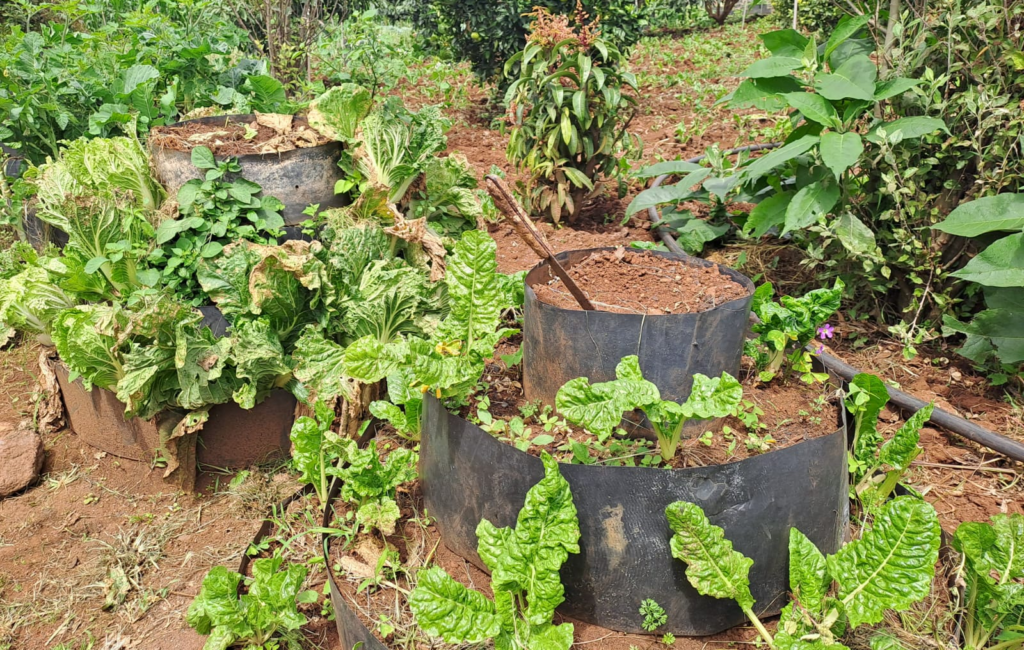
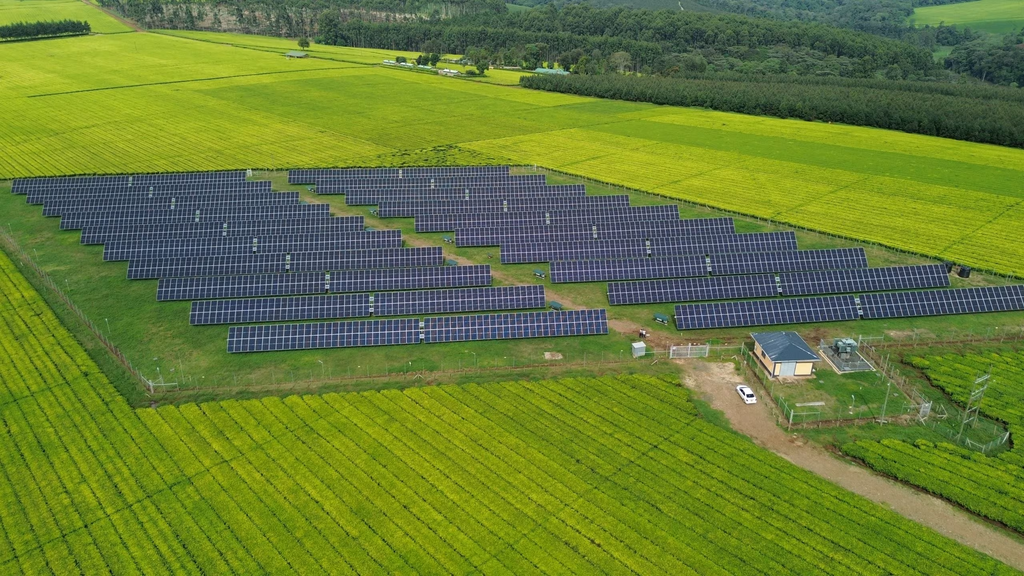
Solar energy offers significant benefits for Kenyan agriculture, reducing costs and extending irrigation to off-grid areas. However, it's not a standalone solution for complex challenges like water scarcity, soil fertility, or market access. True agricultural transformation requires a holistic approach, with solar power serving as a valuable tool, not a miracle cure.
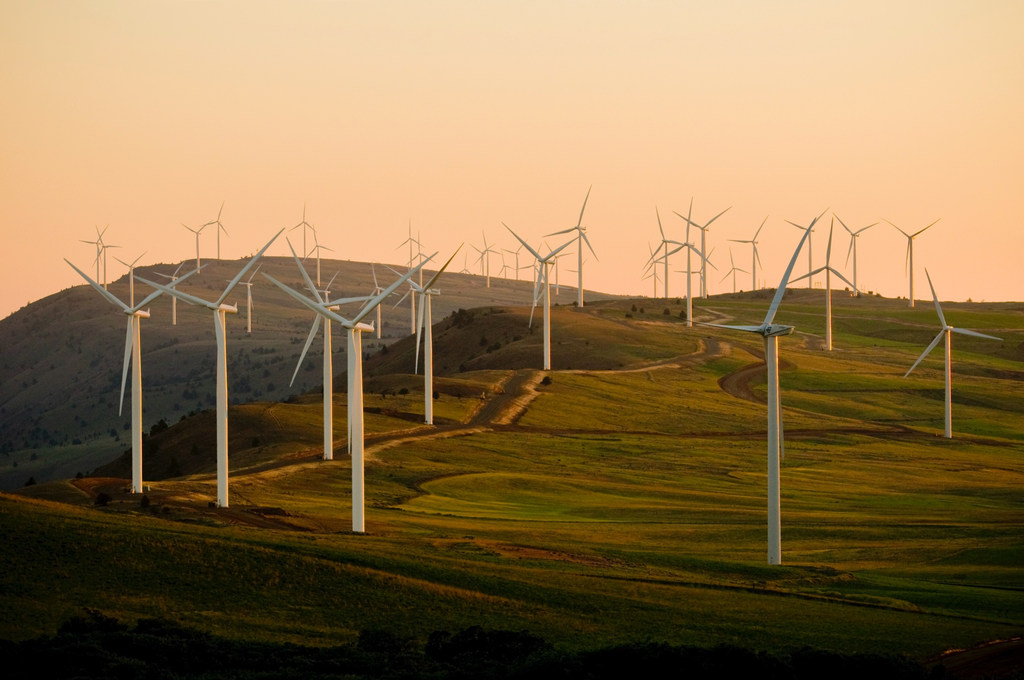
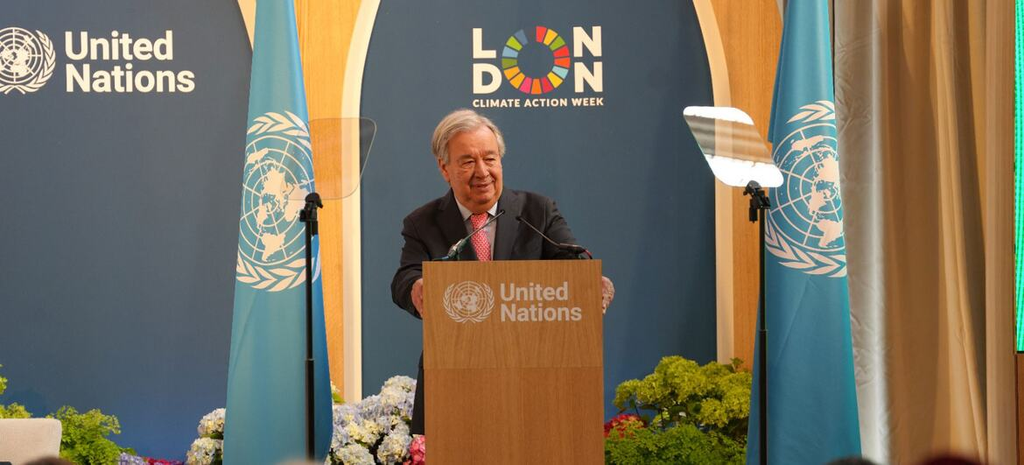
UN Secretary-General António Guterres is calling on global leaders to accelerate support for Africa's clean energy transition. Speaking at London Climate Action Week, he warned that the continent must not be left behind, urging for the financing and technology needed to unlock its vast renewable potential.
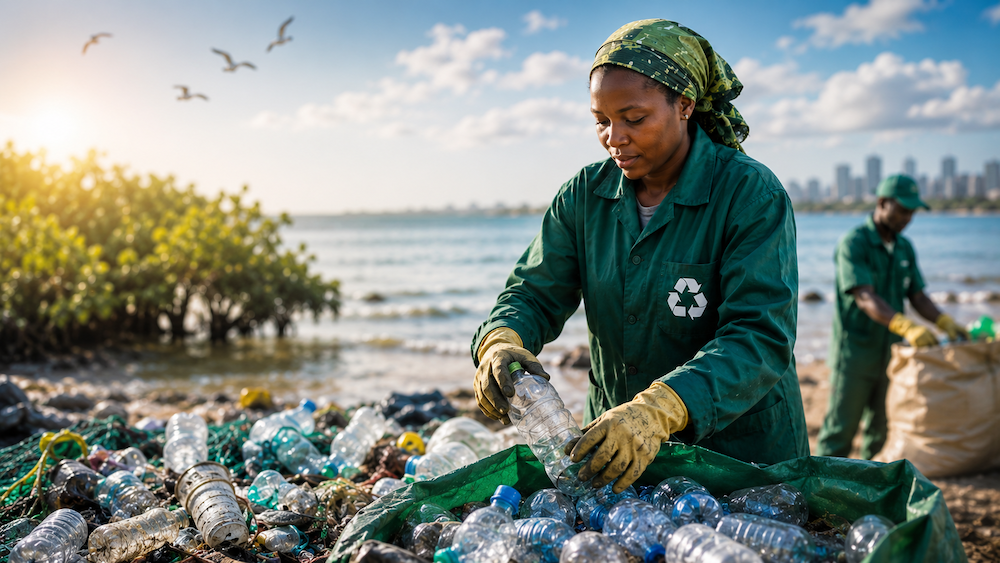
Kenya has launched its National Plastics Action Partnership (NPAP-Kenya), a landmark initiative aimed at turning plastic waste into a driver of climate action, green jobs, and economic growth.
Climate action took a back seat at the 2026 G7 Summit as geopolitical conflicts, economic uncertainty, and energy security concerns dominated discussions. For climate-vulnerable countries like Kenya, the shift raises concerns over delayed climate finance and the urgent need to keep resilience and clean energy investments high on the global agenda.