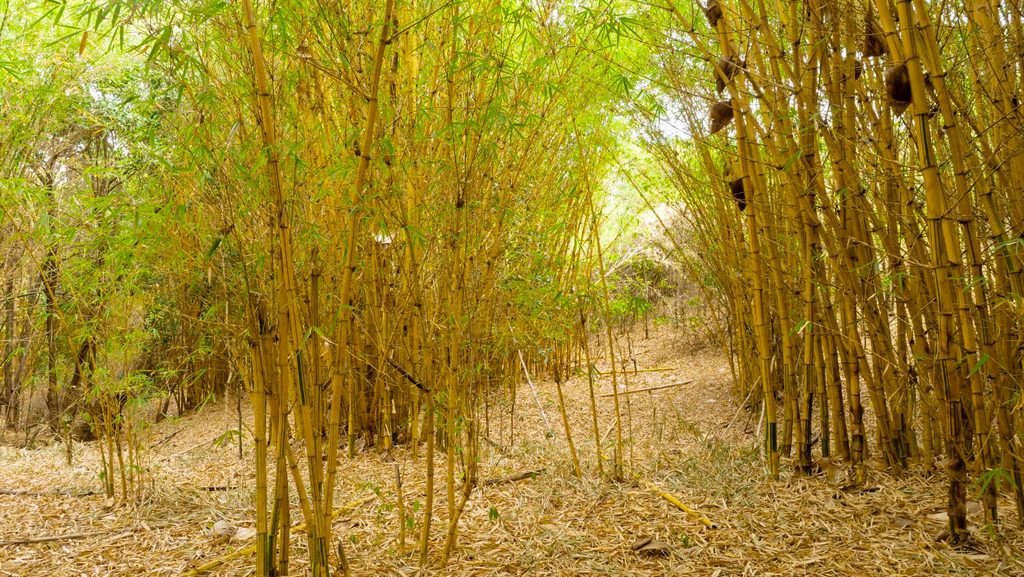

Residents of Mbeu in Meru County had struggled with dwindling water from local streams. Today, Joseph Tharimbo says bamboo planted around water sources is helping change that.
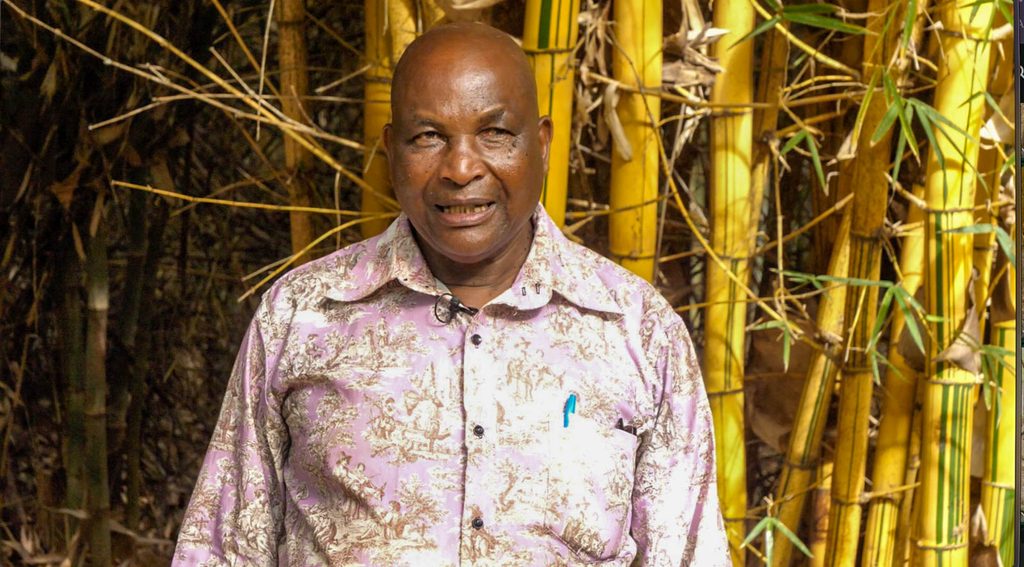
“The planting of bamboo in our community has helped restore the water springs,” said Tharimbo, chairperson of the Mbeu Community Forest Association. “This has helped the animals and the community to get fresh water.”
For Tharimbo and other residents, apart from being a conservation crop, bamboo is becoming part of everyday life protecting water, restoring degraded areas and supporting livelihoods.
These testimonials were shared as Kenya celebrated World Bamboo Day at Meru University of Science and Technology, where farmers, community groups, researchers, investors and government officials gathered for the National Bamboo Expo.
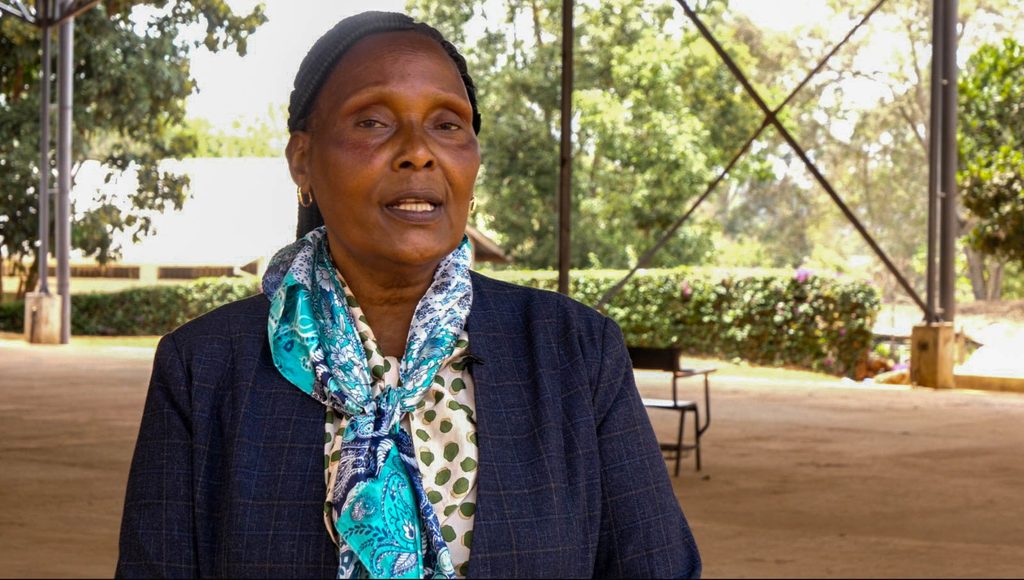
For women in Meru, the crop is also opening a path to income. Dorothy Naitore, secretary of the Meru Forest Environment, Conservation and Protection Group, said women involved in bamboo processing are earning from products made in their workshop.
“This has helped the women in our community be empowered from selling the products we create in our workshop here in Meru,” she said. “The work has brought together environmental conservation and economic independence and we are glad we have more women who have embraced bamboo planting and conservation.”
The experiences shared by Tharimbo and Naitore reflect what the government hopes to achieve nationally through the National Bamboo Development Strategy and Action Plan 2025–2035.
Kenya plans to add 150,000 hectares of bamboo under the strategy. The country already has an estimated 130,000 hectares of natural bamboo forests, mainly indigenous highland bamboo, as well as bamboo cultivated on private land.
But speakers at the event said planting more bamboo will not be enough unless communities can access quality seedlings, technical support, processing facilities and reliable markets.
Forest Development Secretary George Tarus delivered a message from Environment, Climate Change and Forestry Cabinet Secretary Dr Deborah Barasa on behalf of the CS and Forestry Principal Secretary Gitonga Mugambi.
“Bamboo connects restoration with enterprise, farmers with manufacturers, research with markets and environmental stewardship with economic opportunity,” Environment, Climate Change and Forestry Cabinet Secretary Dr Deborah Barasa said in her message.
She said the goal should be to build a competitive, investment-ready and market-driven bamboo industry rather than focus only on increasing acreage.
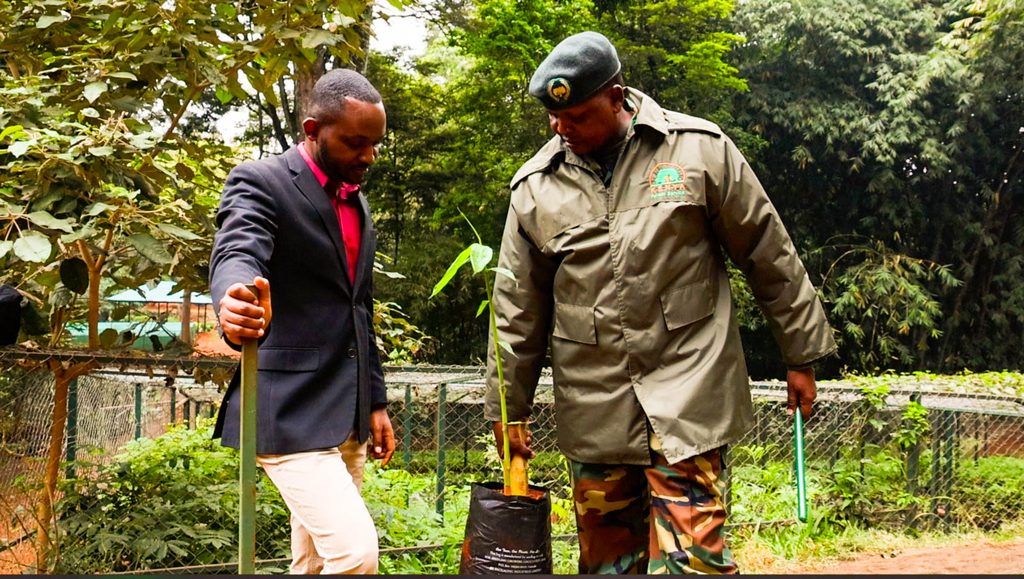
For communities such as Mbeu, that ambition is already taking shape in small but tangible ways, evident in cleaner water from restored springs, greener landscapes and products that can be sold for income.
Kenya Forest Service Chief Conservator of Forests Alex Lemarkoko said bamboo could help protect water catchments, restore river lines and rehabilitate degraded land because of its rapid growth.
“The plant can supply raw materials for construction, furniture, energy, textiles and crafts. The government is encouraging investors to put money into processing and manufacturing, rather than trading raw bamboo, so that more jobs and value remain in Kenya,” said Lemarkoko.
Kenya’s indigenous highland bamboo, Yushania alpina, grows between 2,400 and 3,400 metres above sea level in the Aberdare Range, Mount Elgon, Mount Kenya and the Cherangany Hills, and it is important for water catchment protection, soil stabilisation and habitat conservation.
Officials have stressed, however, that expansion must be sustainable and must not endanger indigenous forests or sensitive water-tower ecosystems.