
Rivers across the globe in 2025 had one of the driest years in more than three decades, according to a new report from the World Meteorological Organization (WMO). It shows a continuation of the long-term decline in Earth’s freshwater storage and in glacier retreat – trends with serious implications for people and economies in the future.
The WMO State of Global Water Resources Report shows that the water cycle has become more erratic and unpredictable, swinging between too little or too much.
Asia and Africa together accounted for at least half of all recorded water-related extreme events and more than 80% of reported associated deaths over the past five years, it says.
“The water cycle has become more erratic and unpredictable, swinging between too little or too much,” the WMO said in the report.
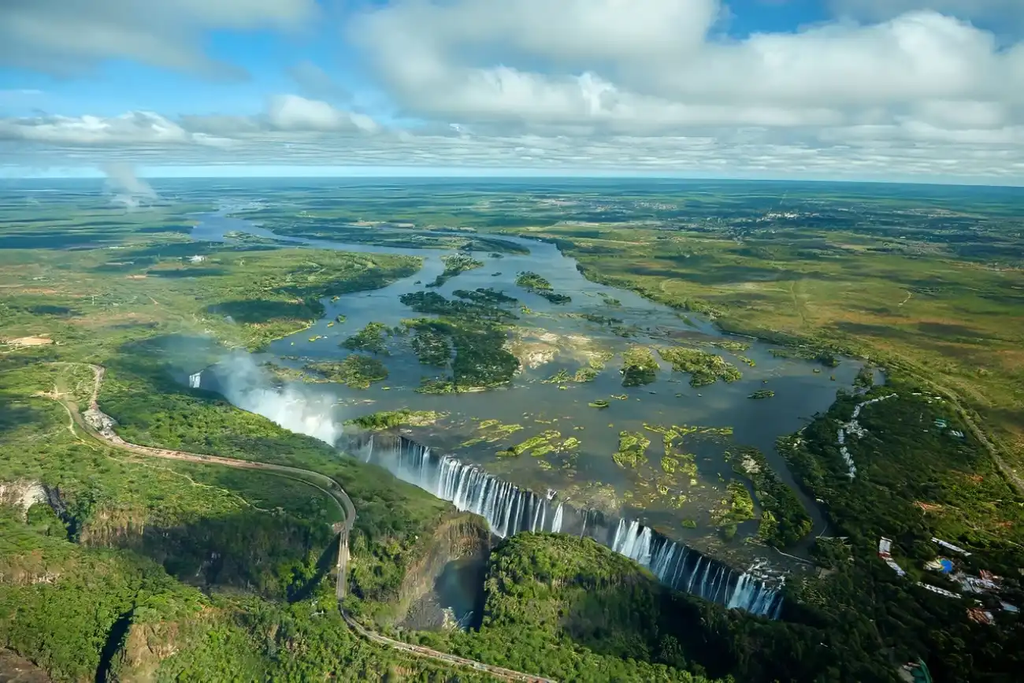
In Africa, that uncertainty is already being felt across some of the continent’s most important river systems. In 2025, flows were much below normal in the Nile, Congo and Zambezi basins. On the other hand, Senegal, Niger, Lake Chad, Orange and Limpopo had above-normal flows in 2025.
During the year, the Greater Horn of Africa was hit by severe drought after one of its driest October-to-December seasons on record. In West and Central Africa, repeated floods continued to cause damage, mostly in Nigeria and the Democratic Republic of the Congo.
According to WMO, the water reserves people rely on during dry times are under pressure with uneven changes across Africa. Central and Southern Africa had much-above-normal land water storage in 2025, while North Africa had below-normal storage. Parts of southern Africa have also faced persistent groundwater shortages since 2022.
WMO Secretary-General Celeste Saulo compared the planet’s slow-moving water reserves to savings that help people through difficult times.
“We are depleting that savings account. Global terrestrial water storage has shown a declining trend since 2014–2016 – a persistent, decade-long signal. For the fourth consecutive year, every major glaciated region on Earth lost ice mass. Groundwater tells a similar story: nearly two-thirds of monitored wells worldwide showed conditions outside the historical norm in 2025, and the balance shifted further toward deficit compared with 2024, not toward recovery,” said Saulo.
“At the same time, we are seeing more water-related disasters. The strengthening El Niño will increase the risk of drought in some areas, and flooding in others,” she said.