
By Daniel Kipchumba
Kenya’s rules governing indigenous seeds are entering a decisive period as the government challenges a High Court judgment that expanded farmers’ seed rights while simultaneously reviewing the country’s seed law.
At stake is whether smallholder farmers can continue saving, exchanging and selling indigenous seed without undergoing certification procedures designed largely for commercially bred varieties.
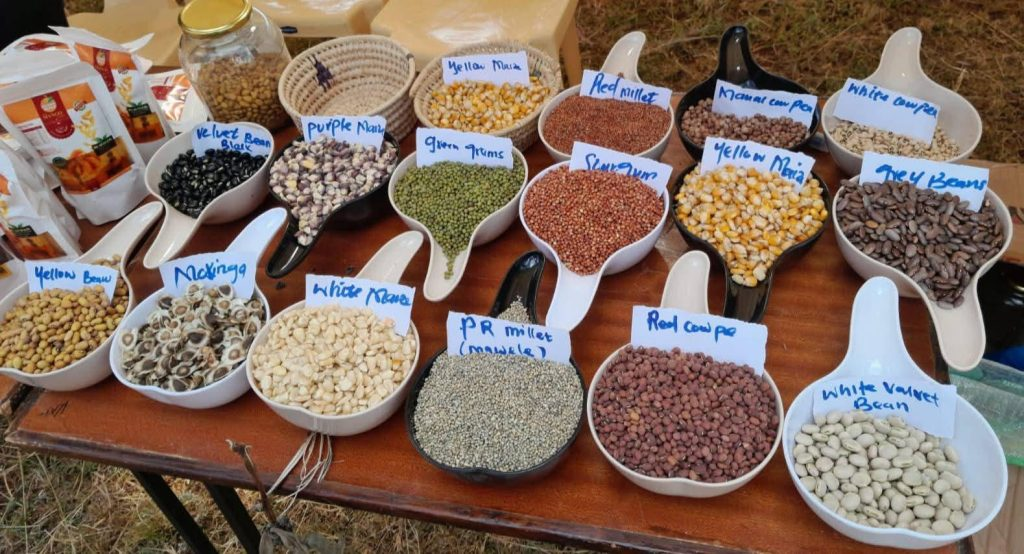
For generations, farmers have preserved crop diversity by selecting seed from successful harvests and sharing it through families, communities and local markets. Seed advocates argue that restricting these practices threatens food security, agricultural biodiversity and farmers’ control over what they grow.
The dispute intensified on November 27, 2025, when the High Court in Machakos declared several provisions of the Seeds and Plant Varieties Act unconstitutional. The judgment followed a case brought by Seed Savers Network and 15 farmers challenging provisions that affected their ability to sell and share uncertified indigenous seed.
The government, acting through the Attorney-General on behalf of the Kenya Plant Health Inspectorate Service, has appealed against the decision. The appeal could determine whether the protections secured through the judgment remain in place.

“The outcome will have a direct effect on farmers’ ability to save, exchange, share and market their seed,” said High Court advocate Robert Kiiru.
According to Kiiru, overturning the judgment could restore restrictions that prevent farmers from selling or marketing seed unless it has been registered or certified. He said the certification system requires characteristics such as distinctness, uniformity and stability, standards that says may be difficult and expensive for smallholder farmers maintaining genetically diverse indigenous varieties to meet.
The government’s position is that indigenous seed cannot easily be released into the formal market without certification because regulators must safeguard seed quality. Seed advocates argue the law should distinguish farmer-managed seed systems from commercial seed production and create proportionate rules for each.
Kiiru also raised concerns about provisions granting inspectors access to farms and about sanctions that may be imposed where a protected plant variety is found. He argued that enforcement must respect privacy, property rights and the constitutional right to fair administrative action.
“Whoever controls your seed controls your food and ultimately controls your life,” he said.
The consequences of the case are practical for farmers such as Mary Chamakani of Marigat in Baringo County. Chamakani grows indigenous yellow and red maize, African nightshade, locally known as managu, and beans. She also exchanges seed with other farmers.
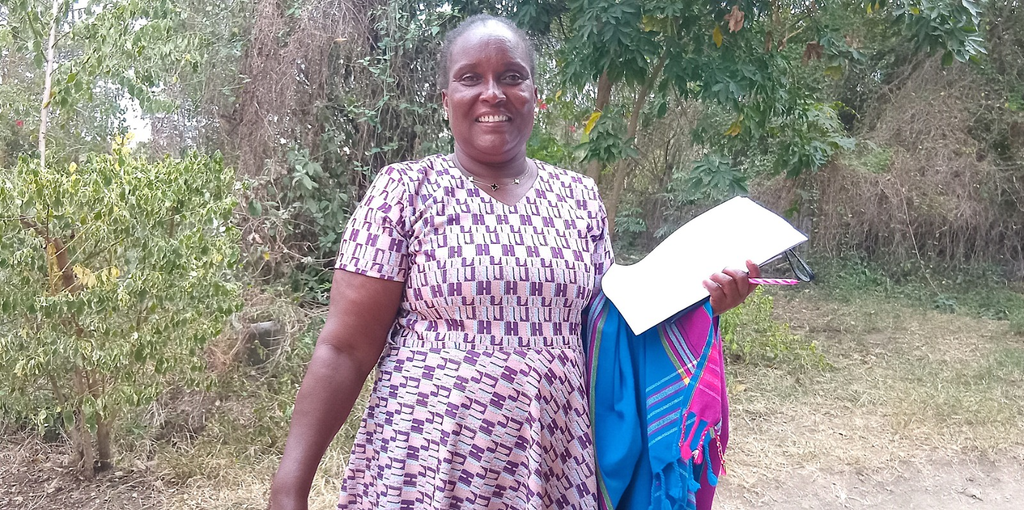
For her, seed sharing allows farmers to retain varieties adapted to local food preferences and growing conditions without purchasing new seed every season.
“I pray that the Machakos ruling is upheld. It will help us to produce more,” she said.
Indigenous varieties can carry traits selected by farmers over many seasons, including suitability for particular soils, tastes and rainfall conditions. Maintaining that diversity may become increasingly important as farmers confront drought, erratic rainfall, pests and other climate-related pressures. Restricting circulation of such seed could therefore affect not only farmers’ rights but also the resilience of local food systems.
The court case is unfolding alongside a government review of the Seeds and Plant Varieties Act. That process provides another route through which Kenya could recognise farmer-managed seed systems while retaining safeguards against misrepresentation and poor-quality seed.
Tabby Munyiri, Seed Savers Network’s communication and advocacy officer, said the organisation expects a draft seed Bill to be released for public participation. She called for farmers to be adequately informed and included in that process.
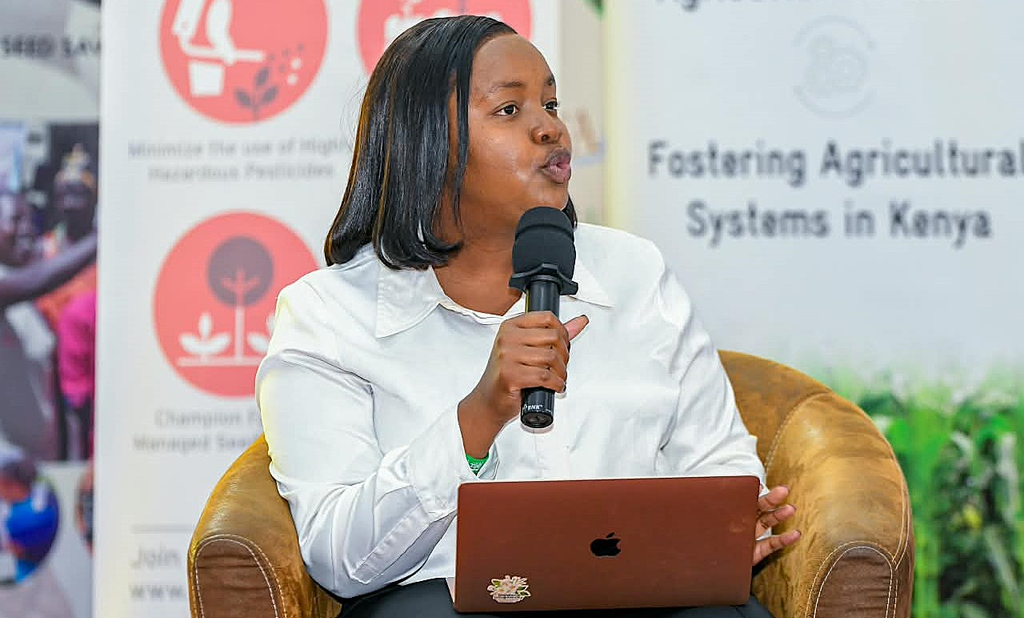
“We are raising awareness about the importance of indigenous seeds and the need for their recognition and protection, both in practice and in law,” Munyiri said.
She said this during the Seed Savers Network in Naivasha during a forum to examine the court appeal and the expected legislative review.
The legal campaign began in 2018, when Seed Savers Network sought pro bono legal assistance through TrustLaw. The organisation later worked with Greenpeace Africa to build legal capacity and intensify advocacy. The case was filed in 2022, with 15 farmers participating as petitioners. The Biodiversity and Biosafety Association of Kenya and the Law Society of Kenya subsequently joined the proceedings as interested parties.
The appeal process could take several years, according to Kiiru, who added that the review of the Act may move faster and could reshape the law before the appeal is concluded.
Both processes will determine how Kenya balances formal seed regulation with the rights of farmers who conserve and circulate indigenous varieties.