Kenya’s Indigenous Seeds Face a Defining Legal and Policy Test

Kenya’s Indigenous Seeds Face a Defining Legal and Policy Test

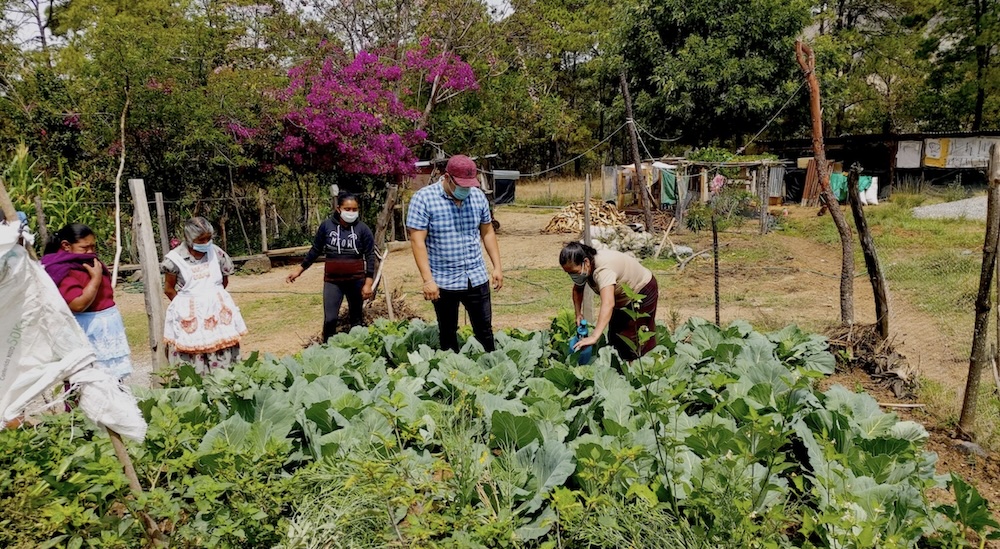
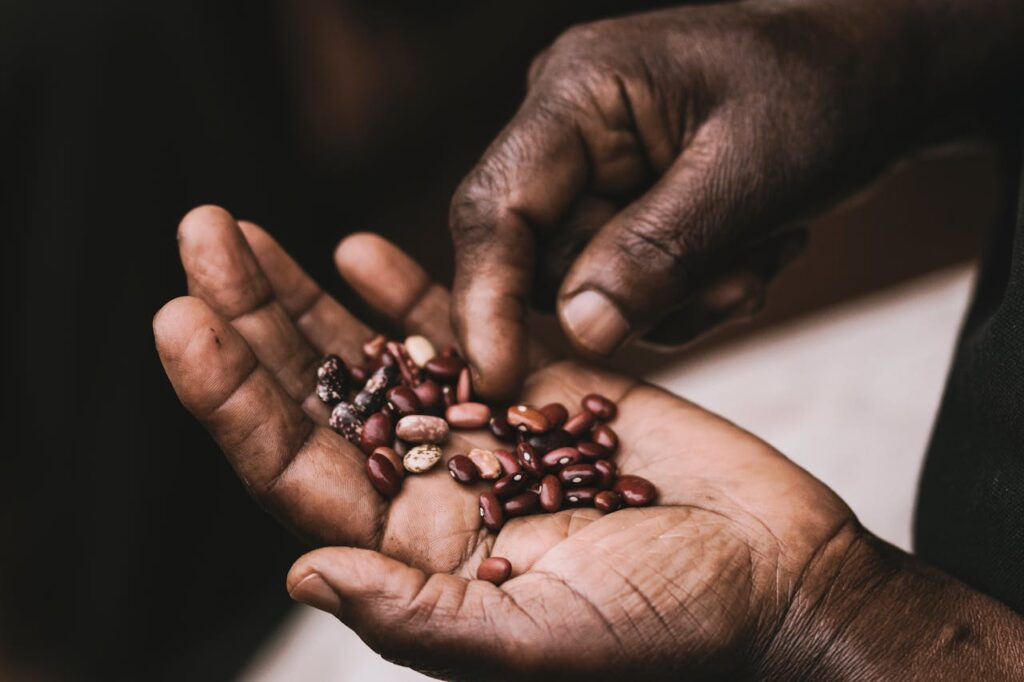
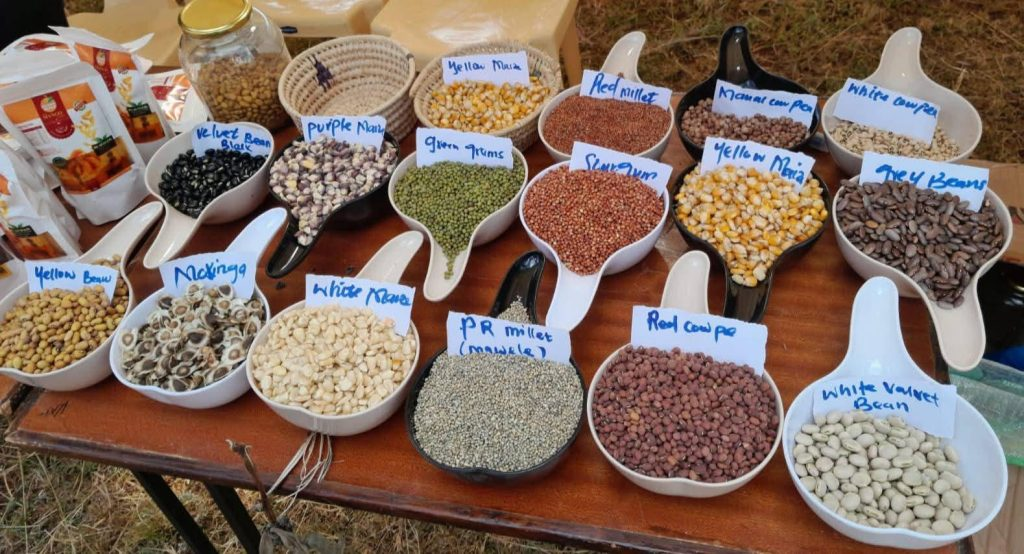
Kenya’s indigenous seed systems face a defining legal and policy test as the government appeals a High Court ruling that expanded farmers’ rights to save, exchange and sell indigenous seed. The outcome, alongside the ongoing review of the country’s seed law, could shape farmers’ control over seed, agricultural biodiversity and the resilience of local food systems.
East African Farmers Set for KES 25.8 Billion Climate Investment Boost

East African Farmers Set for KES 25.8 Billion Climate Investment Boost

East African smallholder farmers and rural businesses are set to benefit from a $200 million (KES 25.8 billion) climate financing mechanism launched by Equity Group and IFAD. The ARCAFIM programme will support irrigation, water harvesting, climate-resilient agriculture, storage, renewable energy and other investments across Kenya, Uganda, Tanzania and Rwanda, targeting about 260,000 producers and 500 rural enterprises.
Subsidized Fertilizer, Seeds Fails to Stem Rising Hunger in Kenya, Report Says

Subsidized Fertilizer, Seeds Fails to Stem Rising Hunger in Kenya, Report Says

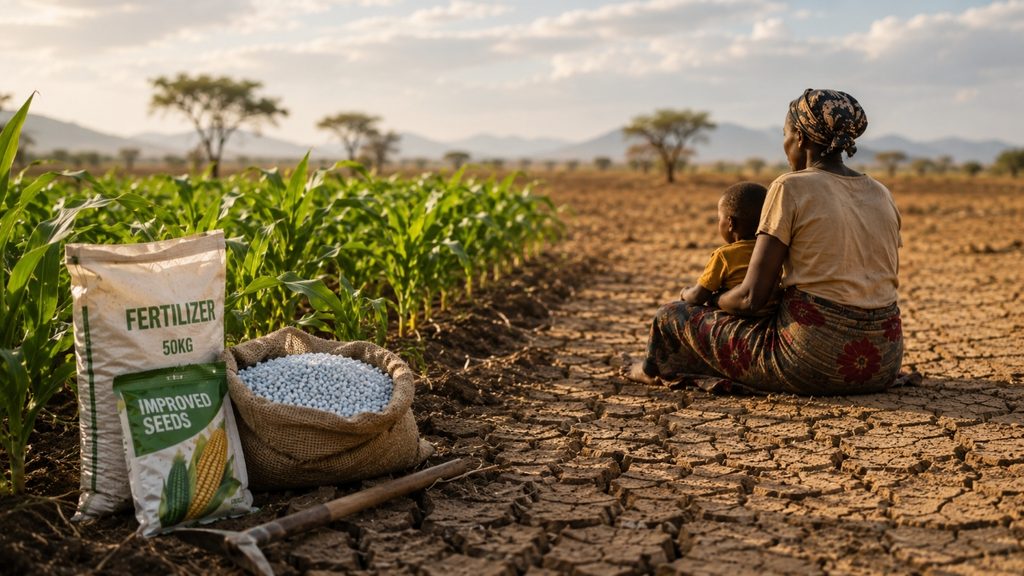
A new report is challenging the effectiveness of Africa’s input-led Green Revolution model, finding that Kenya’s chronically undernourished population more than doubled to over 20 million between 2006 and 2024 despite increased use of fertiliser, commercial seeds and subsidies. The report calls for greater investment in agroecological farming, local seed systems, soil restoration, extension services and crop diversity.
Sahel Gets $14.6m AfDB Boost for Climate and Food Security

Sahel Gets $14.6m AfDB Boost for Climate and Food Security

The African Development Fund has approved a $14.64 million grant to expand a major food security and climate resilience programme in the Sahel. The funding will scale climate-smart villages, strengthen regional seed systems, and support vulnerable communities facing worsening climate shocks. Women and youth will receive targeted support as the initiative boosts agricultural resilience across the region.