
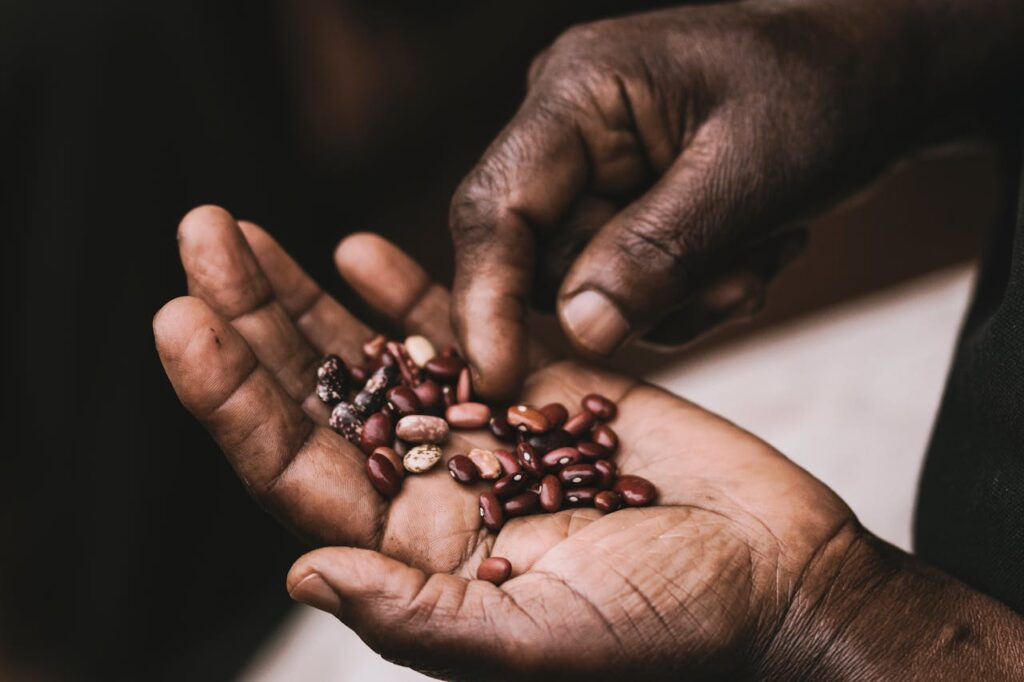

A proposed East African Community (EAC) Seed and Plant Varieties Bill has ignited fresh anxiety across the region, with farmers’ groups, environmentalists, and indigenous communities warning that it could weaken local seed systems, deepen dependence on multinational corporations, and accelerate the spread of genetically modified organisms (GMOs) at the expense of biodiversity and food security.
The draft Bill, currently under consideration by EAC Partner States, seeks to harmonize seed laws across Kenya, Uganda, Tanzania, Rwanda, Burundi, South Sudan, and the Democratic Republic of Congo.
Officials say the legislation is designed to streamline seed certification, standardize variety registration, and facilitate cross-border trade in agricultural inputs.
However, critics argue that beneath its technical language lies a framework that privileges industrial agriculture over traditional farming systems that have sustained communities for generations.
At the heart of the controversy is the Bill’s emphasis on certified commercial seeds, a move that smallholder farmers fear could marginalize indigenous seed varieties that are adapted to local climates, resilient to drought, and culturally significant.
Farmers from arid and semi-arid regions, where climate variability is already threatening harvests, say their survival depends on locally bred seeds that are shared, saved, and replanted across seasons, practices that could be restricted under the new law.
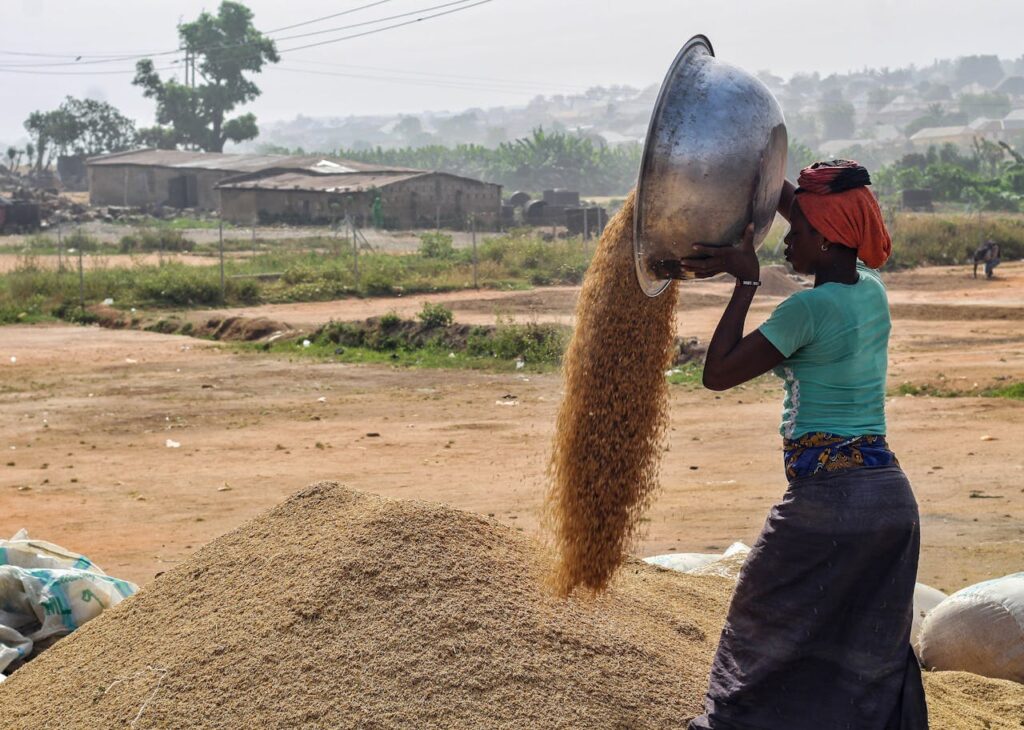
“We are being told that only ‘approved’ seeds will be legal,” said a farmer from Kitui County who has grown traditional drought-resistant millet for decades. “If this Bill passes as it is, our seeds could be treated as illegal, and we will be forced to buy expensive seeds we do not trust.”
Environmental advocates warn that the Bill opens the door wider to GMO seeds controlled by multinational agrochemical companies, consolidating power in a few corporate hands while reducing genetic diversity in African farmlands.
They argue that a shift toward uniform, patented seeds increases vulnerability to pests, diseases, and climate shocks, risks that are particularly acute in a warming region.
Scientists and conservationists also caution that the widespread adoption of industrial seed varieties could accelerate soil degradation, increase reliance on chemical fertilizers and pesticides, and disrupt ecosystems that depend on diverse crop systems.
Indigenous crops such as sorghum, cassava, and traditional legumes, which require fewer inputs and are better suited to local conditions, could gradually disappear from farms.
Civil society organizations have further raised alarm that the Bill does not adequately protect farmers’ rights to save, exchange, and sell their own seeds, practices that form the backbone of rural food systems.
Instead, they say, it entrenches a regulatory regime that favors formal seed companies, many of which have close ties to global agribusiness firms promoting GMO technology.
EAC officials maintain that the Bill is necessary to modernize agriculture, improve productivity, and ensure food safety across the bloc.
They argue that harmonized seed laws will help farmers access better-quality seeds and expand regional markets.
But critics insist that modernization should not come at the cost of erasing indigenous knowledge and undermining community-based food systems.