
Hundreds of millions of people in Sub-Saharan Africa are still living without electricity or clean cooking solutions, exposing them to preventable diseases, environmental degradation and worsening climate vulnerability.
According to the newly released report Tracking SDG 7: The Energy Progress Report 2026 produced by the International Renewable Energy Agency (IRENA), the International Energy Agency (IEA), the World Bank, the World Health Organization (WHO) and the United Nations Statistics Division, says global progress towards Sustainable Development Goal 7 on universal access to affordable, reliable, sustainable and modern energy by 2030, remains uneven, with Sub-Saharan Africa falling furthest behind.
According to the report, the region now accounts for the overwhelming majority of people worldwide who still lack electricity, despite steady gains in recent years.
Rapid population growth, the report says, continues to outpace new electricity connections, leaving millions of households, particularly in rural communities, without reliable power.
The report also identifies access to clean cooking as one of Africa’s greatest development challenges. Hundreds of millions of families continue to rely on firewood, charcoal and other polluting fuels for daily cooking, exposing women and children to dangerous indoor air pollution.
Health experts involved in the report warn that smoke from traditional cooking methods contributes to respiratory diseases, heart conditions, strokes and premature deaths. Young children and women, who spend the most time near household cooking fires, bear the greatest burden of these health impacts.
Beyond health, the report says dependence on biomass fuels is accelerating environmental degradation across many African countries. “Continued harvesting of wood for fuel contributes to forest loss, land degradation and biodiversity decline, while reducing ecosystems’ ability to absorb carbon dioxide.”
The report notes that widespread use of inefficient cooking fuels also increases greenhouse gas emissions and black carbon pollution, linking energy poverty directly to climate change.
At the same time, African communities remain among those most vulnerable to climate-related disasters, including prolonged droughts, floods and extreme heat, despite contributing only a small share of global emissions.
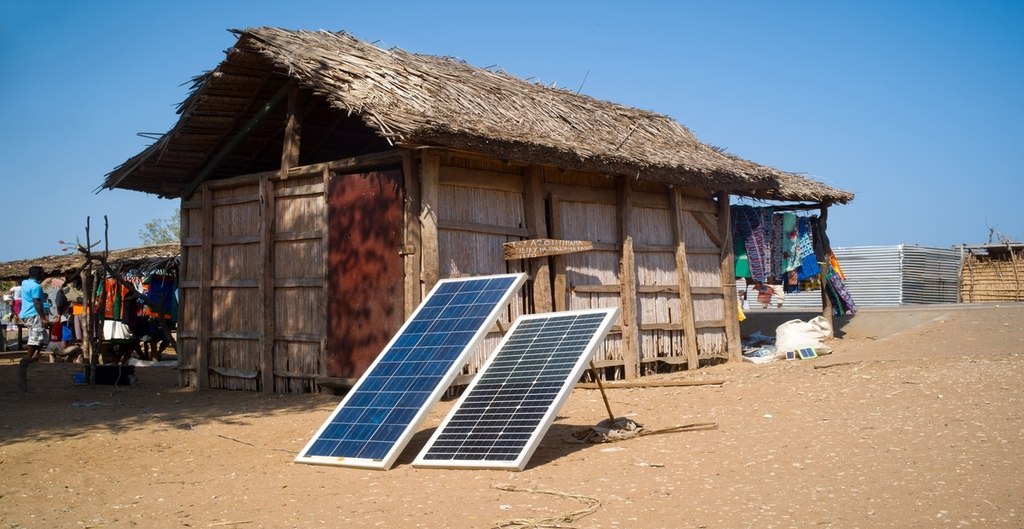
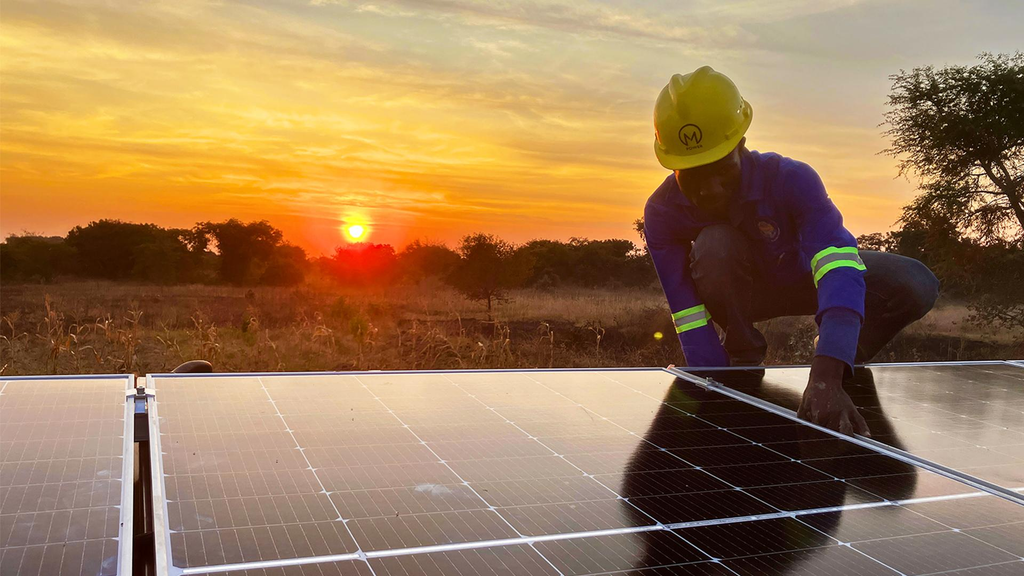
The report says expanding renewable energy offers one of the continent’s biggest opportunities. Africa possesses abundant solar, wind, hydro and geothermal resources capable of delivering affordable electricity to remote communities while supporting climate mitigation and sustainable economic growth.
The report highlights growing international momentum behind renewable energy deployment, including commitments by African governments to accelerate electricity access and expand clean energy infrastructure. However, it warns that investment levels remain far below what is required to achieve universal energy access by 2030.
The report is urging governments, development partners and private investors to significantly increase financing for renewable energy projects, off-grid electrification and clean cooking technologies.
They argue that accelerating investment would not only reduce greenhouse gas emissions but also improve public health, protect forests, create jobs and strengthen resilience against climate change.
Without a dramatic acceleration in action, the report concludes, Sub-Saharan Africa risks missing the 2030 Sustainable Development Goal on energy, leaving hundreds of millions trapped in energy poverty with far-reaching consequences for human health, environmental protection and climate resilience.