
By Waweru Wairimu
Kenya will be required to publish regulations supporting electric mobility and adopt mandatory green building standards as part of a new set of climate reforms tied to the next round of World Bank budget-support financing.
The proposed conditions, which form part of the World Bank’s policy reforms for future lending, require the government to operationalise the National E-Mobility Policy through regulations that support the uptake of electric vehicles and other clean transport technologies.
The reforms are intended to reduce greenhouse gas emissions from the transport sector while creating a clear regulatory environment for investors and manufacturers.
The World Bank also wants Kenya to integrate green building standards into the Affordable Housing Policy and formally adopt the Kenya Green Building Standard, making minimum environmental performance requirements mandatory for all new buildings and major renovations.
The standards are expected to improve energy efficiency, lower emissions and make buildings more resilient to climate change.
According to the World Bank, the climate-related reforms form part of a broader programme aimed at strengthening climate action while improving governance and public financial management.
The institution says sustainable buildings and cleaner transport systems are essential for reducing carbon emissions, improving air quality and attracting climate finance.

The lender notes that Kenya’s buildings and transport sectors are among the country’s fastest-growing sources of energy demand and emissions.
“Establishing clear standards for construction and electric mobility is expected to stimulate private investment, create green jobs and reduce dependence on imported fossil fuels over the long term,” the bank says.
The reforms also complement Kenya’s commitment under its Nationally Determined Contribution to cut greenhouse gas emissions and transition towards a low-carbon economy.
The World Bank estimates that implementing the sustainability-linked financing framework and green building reforms could help mobilise about US$750 million in climate finance linked to measurable emissions reductions by 2028.
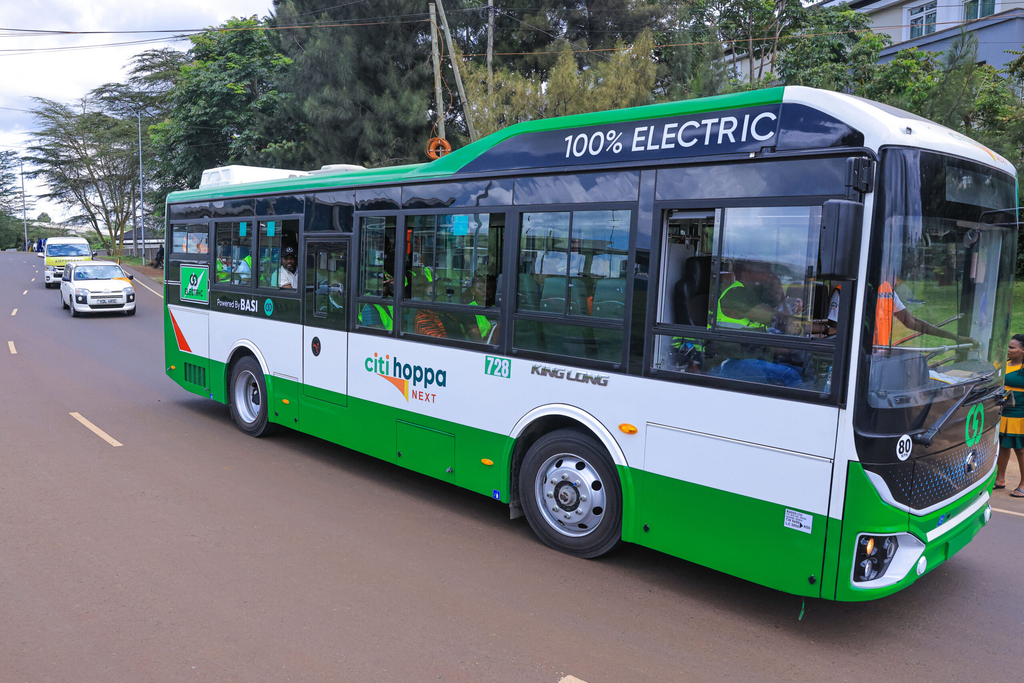
Kenya has in recent years emerged as one of Africa’s leading markets for electric motorcycles and buses, but stakeholders have argued that faster growth depends on clear regulations governing charging infrastructure, vehicle standards, safety requirements and fiscal incentives.
The proposed e-mobility regulations are therefore expected to provide certainty for investors while accelerating the country’s transition to cleaner transport.
The World Bank says the reforms will ultimately improve transparency, reduce waste, strengthen public finances and support sustainable economic growth, while ensuring Kenya’s development pathway remains aligned with its climate commitments.