
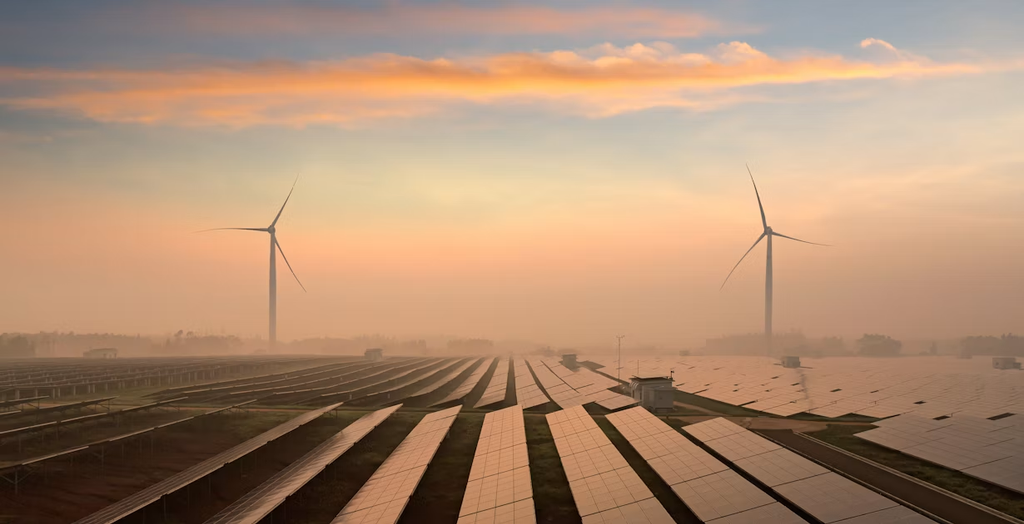

Renewable energy are now delivering billions of dollars in savings while shielding countries from volatile fossil fuel prices, the International Renewable Energy Agency (IRENA) says.
According to the latest Renewable Power Generation Costs in 2025 report, the overwhelming majority of renewable power projects commissioned in 2025 generated electricity at a lower cost than new fossil fuel-fired plants, reinforcing the economic case for accelerating the global energy transition.
The report concludes that renewables are not just an environmental choice but an economic imperative, as declining technology costs, improved manufacturing, stronger supply chains and cheaper battery storage continue to drive down electricity prices.
IRENA Director-General Francesco La Camera said the findings demonstrate that renewable energy has become one of the strongest drivers of affordable economic development, energy security and industrial competitiveness, particularly as countries seek to reduce dependence on imported fossil fuels.
The report estimates that renewable energy is saving governments, businesses and households hundreds of billions of dollars by avoiding expensive fossil fuel consumption.
“Because renewable technologies rely on freely available resources such as sunlight, wind and flowing water rather than imported coal, oil or natural gas, they offer stable electricity prices over decades while insulating economies from global fuel price shocks,” said La Camera.
The savings are especially significant in countries heavily dependent on imported fossil fuels, where fluctuating global energy prices often translate into higher electricity bills and increased inflation.
IRENA notes that renewable investments also reduce exposure to geopolitical risks affecting international oil and gas markets, improving national energy security while lowering long-term operating costs.

The report shows that utility-scale solar photovoltaic (PV) and onshore wind continue to be the lowest-cost sources of new electricity generation across most regions of the world.
Even more significant is the rapid decline in battery storage costs, which is making renewable energy increasingly capable of supplying reliable electricity throughout the day and night.
According to IRENA, solar and wind projects combined with battery storage are now capable of delivering round-the-clock electricity at costs that compete directly with, and in many cases undercut, new fossil fuel power plants in regions with strong renewable resources.
This marks a major shift in the global energy sector, addressing one of the long-standing criticisms that renewable energy could not provide dependable power after sunset or during periods of low wind.
Beyond cheaper electricity, renewable energy investments are generating broader economic benefits. IRENA says expanding renewable power creates employment across manufacturing, construction, engineering, operations and maintenance while stimulating domestic industries and reducing foreign exchange spending on imported fuels.
Lower electricity prices, says IRENA, also improve industrial competitiveness by reducing production costs for manufacturers, encouraging investment and supporting economic growth.
“For developing economies, including many African countries, the falling cost of renewable technologies presents an opportunity to expand electricity access without locking themselves into expensive fossil fuel infrastructure that could become stranded assets in the future,” the report notes.
The findings carry particular significance for Africa, where hundreds of millions of people still lack reliable access to electricity despite the continent possessing some of the world’s richest solar, wind, geothermal and hydropower resources, yet investment has lagged because of financing constraints, weak transmission infrastructure and high borrowing costs.
IRENA argues that reducing investment risks, strengthening electricity grids and mobilising affordable finance could enable African countries to leapfrog directly into low-cost renewable energy systems.
“Lower-cost electricity would support industrialisation, improve healthcare and education services, boost agricultural productivity and create new green industries while reducing greenhouse gas emissions,” the report states.
The report suggests that fossil fuel generation is increasingly losing its traditional cost advantage.
“Unlike renewable energy, fossil fuel power plants remain vulnerable to fluctuating fuel prices, carbon pricing policies and tightening environmental regulations, all of which increase operating costs over time. Meanwhile, technological innovation and economies of scale continue pushing renewable energy costs downward.
“Battery prices have fallen dramatically over the past decade, making energy storage increasingly affordable and enabling renewable electricity to supply power more consistently across the day,” the report argues.
IRENA concludes that the global transition to renewable energy is increasingly being driven by economics rather than climate policy alone.
“With electricity demand expected to surge because of industrial growth, electrified transport and expanding digital infrastructure, investing in low-cost renewable energy offers countries an opportunity to strengthen energy security, reduce public expenditure on imported fuels and improve long-term economic resilience,” the report says.
The agency says that continued investment in renewable generation, modern electricity grids and energy storage will be essential if countries are to meet rising demand while maintaining affordable electricity prices and achieving global climate goals.