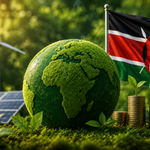

Africa accounted for just 1.6 per cent of new renewable energy capacity installed worldwide in 2025, highlighting the continent’s continued struggle to attract investment.
The latest Renewable Energy Statistics 2026 report by the International Renewable Energy Agency (IRENA) shows that Africa added only 11.3 gigawatts (GW) of renewable electricity capacity during the year, compared with 692 GW added globally.
The report highlights a widening geographical imbalance in the global energy transition with China, the United States and the European Union together accounting for 550 GW, or nearly 80 per cent of all renewable capacity added in 2025, leaving developing regions, particularly Africa, far behind.
Despite possessing some of the world’s richest solar, wind, geothermal and hydropower resources, Africa continues to face high financing costs, inadequate transmission infrastructure, limited access to affordable capital and policy constraints that have slowed renewable energy deployment.
Globally, renewable energy recorded its strongest year on record with total installed renewable electricity capacity reaching 5,149 GW by the end of 2025 after the addition of 692 GW during the year.
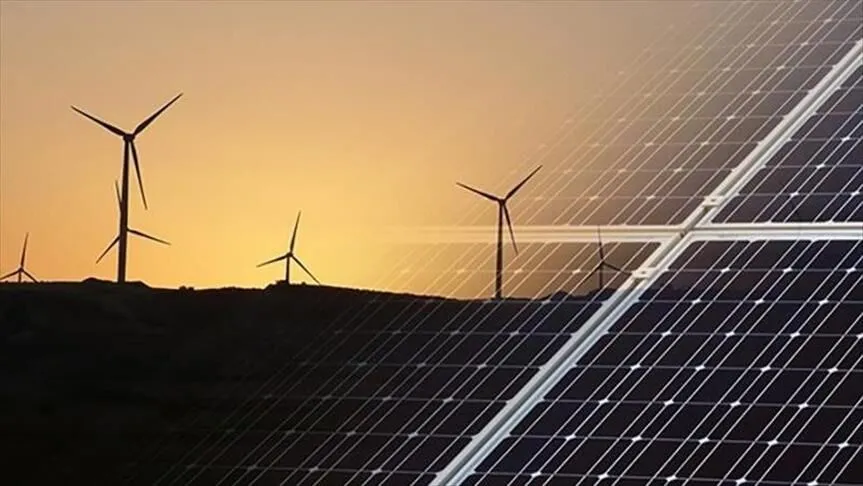
Solar energy remained the main driver of expansion, contributing about 510 GW, nearly three-quarters of all new renewable installations. Wind power followed with 159 GW, while hydropower, bioenergy and geothermal energy recorded comparatively smaller increases.
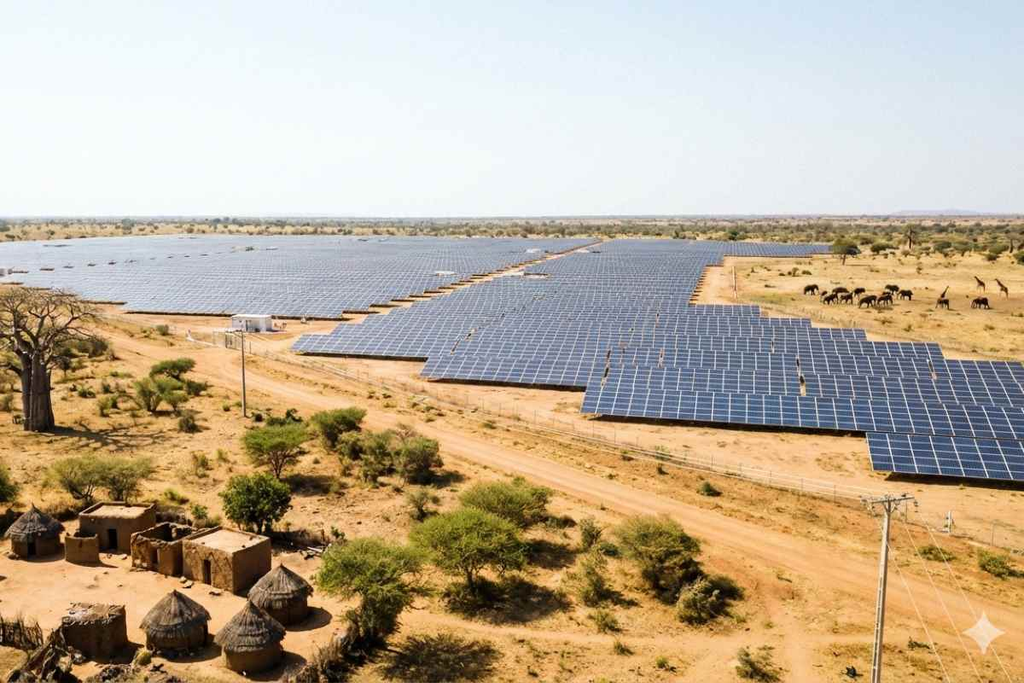
IRENA says the rapid growth demonstrates the increasing competitiveness of renewable technologies, but warns that the current pace remains insufficient to achieve the internationally agreed goal of tripling global renewable energy capacity by 2030.
The report notes that annual renewable additions will need to increase further over the remainder of the decade if countries are to stay on track for that target.
For Africa, the findings reinforce the urgency of scaling up investment in renewable energy, not only to reduce greenhouse gas emissions but also to expand electricity access, strengthen energy security and support industrialisation.
Countries including Kenya, South Africa, Egypt, Morocco and Ethiopia have made notable progress through investments in geothermal, wind, solar and hydropower, but these successes have yet to translate into rapid growth across the continent.
The report comes as African governments advance initiatives such as the Accelerated Partnership for Renewables in Africa (APRA), which seeks to mobilise investment and accelerate the deployment of renewable energy to support economic development and universal access to electricity.