
Kenya could generate an additional KES 95 billion in economic value by 2030 by expanding recycling, reusing discarded materials and developing businesses that turn waste into new products, according to an investment prospectus by Invest Kenya.
The prospectus, Waste Management and Circular Economy Investment Opportunity in Kenya, identifies opportunities across six sectors: agriculture and food, plastics, construction, electrical and electronic equipment, electronic waste and general waste.
It projects that interventions in these sectors could also increase the country’s gross domestic product (GDP) by 0.5 per cent compared with a scenario in which current waste management practices continue.
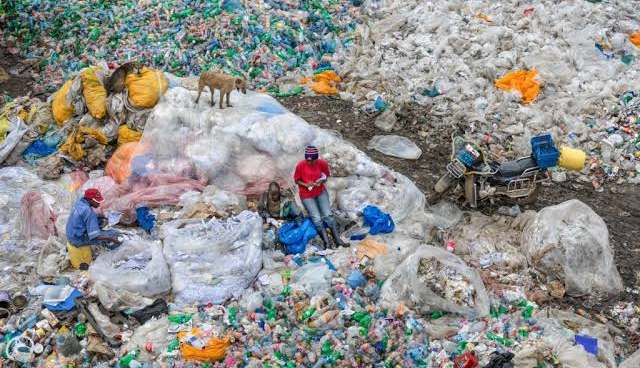
The projections come as Kenya grapples with an estimated 8 million tonnes of waste annually, of which only about 4 per cent is recycled, according to the report. It also approximates that 73 per cent of the waste is at risk of entering the natural environment.
Invest Kenya argues that improving waste collection, sorting and processing could turn discarded materials into raw materials for manufacturing, create new business opportunities and reduce pollution.
The approach, known as a circular economy, seeks to keep products and materials in use for as long as possible through repair, reuse, refurbishment and recycling rather than disposing of them after a single use.
It says that in agriculture, food waste and crop residues could be converted into compost, animal feed or energy. Discarded plastics could be processed into manufacturing materials, while used electronic devices could be repaired and resold or dismantled to recover valuable components.
Construction companies could also incorporate recovered materials into products such as paving blocks, provided they meet the required safety and quality standards.
The prospectus estimates that using locally recovered materials could generate about KES 44 billion in value, while circular economy interventions could increase exports by approximately KES 5 billion.
Kenya already has more than 120 companies involved in circular economy activities, according to the prospectus, although the sector remains small compared with the amount of waste generated.
One Kenyan enterprise highlighted in the report converts discarded plastic into durable construction bricks. The business has recycled more than 200,000 kilograms of plastic and created over 600 green jobs, the prospectus reports.
The report also identifies opportunities in repairing and refurbishing electronic equipment, recovering textiles, treating wastewater and processing organic waste. Invest Kenya says expanding these activities could reduce manufacturers’ dependence on newly extracted raw materials and create local markets for materials collected from households, businesses and dumpsites.
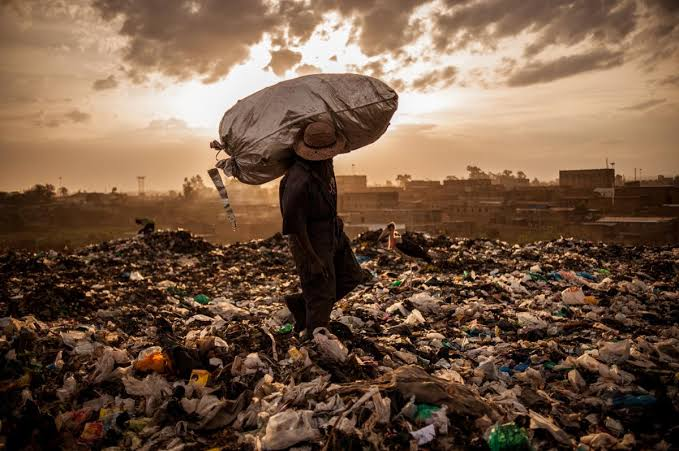
Invest Kenya identifies the integration of informal waste collectors into organised recycling systems as an important step towards expanding the sector. It estimates that Kenya has approximately 45,000 waste pickers and that informal collectors recover about 80 per cent of plastic waste. Despite their contribution to recycling, many operate without formal contracts or guaranteed buyers.
The prospectus says organising collectors into cooperatives, establishing collection and sorting centres, and creating supply agreements with recycling companies could improve access to markets while helping businesses obtain materials more consistently. The report also highlights the need to invest in collection, sorting and transport alongside recycling facilities.
According to the report, limited access to finance, inadequate processing infrastructure, uncertain markets and fragmented coordination are among the barriers facing circular economy businesses in Kenya.
Invest Kenya proposes several financing options, including blended finance, credit guarantees, green bonds and public-private partnerships. Blended finance combines public or development funding with private investment, while credit guarantees can reduce the risks lenders face when financing businesses.
The report notes, however, that investment must be supported by reliable supplies of recovered materials, clear quality standards and sufficient demand for recycled products.
Kenya already has a policy framework for improving waste management, including the Sustainable Waste Management Act, 2022, the National Sustainable Waste Management Policy, 2021, and extended producer responsibility regulations. These measures provide a basis for strengthening waste management and increasing producers’ responsibility for products and packaging after use.
Invest Kenya calls for better coordination between national and county governments, stronger implementation of regulations and incentives to encourage recycling and reuse, and digital systems that track materials and verify compliance, which could also help businesses meet regulatory requirements and attract investment.