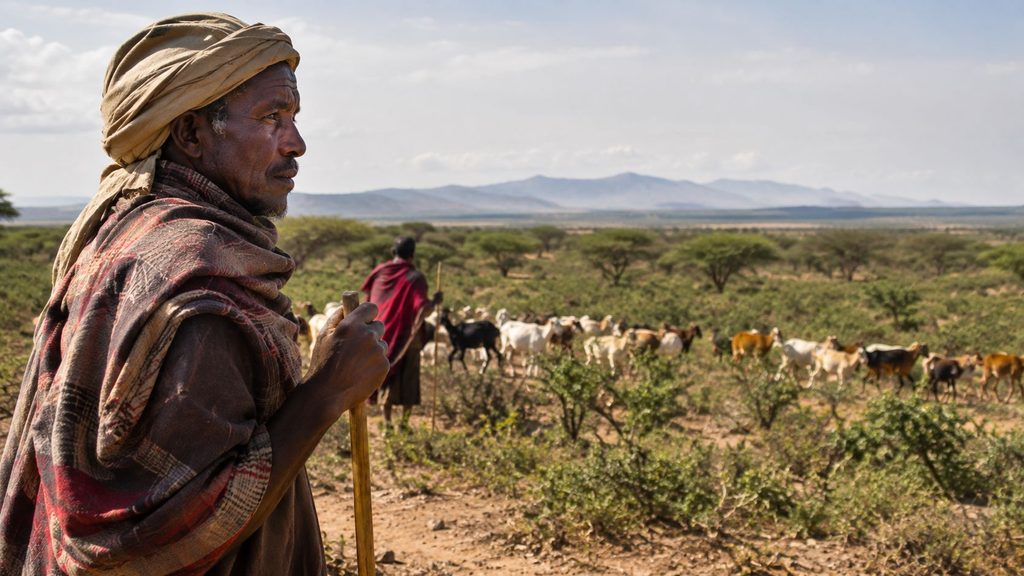

More than 30 members of Indigenous pastoralist communities in Biliqo Bulesa, Isiolo County, have filed a fresh legal challenge against the Northern Kenya Rangelands (NRT) Carbon Project, escalating a long-running dispute over community land and the rapidly expanding carbon economy in northern Kenya.
The case, filed in the Environment and Land Court, is the second major lawsuit involving members of the Biliqo Bulesa community and NRT, but the first to directly target the carbon project itself.
The plaintiffs are seeking greater control over their land, accountability from NRT, and transparency over money generated through the sale of carbon credits. They allege that their ancestral land was incorporated into a community conservancy and subsequently enrolled in the carbon project without their free, prior and informed consent.
Carbon projects seek to convert activities that remove or prevent greenhouse gas emissions into tradable units, allowing companies to purchase those units to support climate claims or compensate for emissions.
The disputed project covers about 2 million hectares of northern Kenya and has sold nearly 6.2 million carbon credits to big corporates including Meta, Netflix, British Airways, Kering and Beiersdorf, the German company that owns Nivea.
NRT operates through a network of community conservancies across northern Kenya. The organisation says the conservancy model places communities at the centre of natural-resource management, with locally governed conservancies receiving technical, financial and institutional support.
In a response to earlier criticism, NRT said it does not own, control or manage community land and that individual conservancies are governed by locally elected boards and management teams. It has also said that traditional grazing systems, including the Borana D’eeda system, are incorporated into conservancy management.
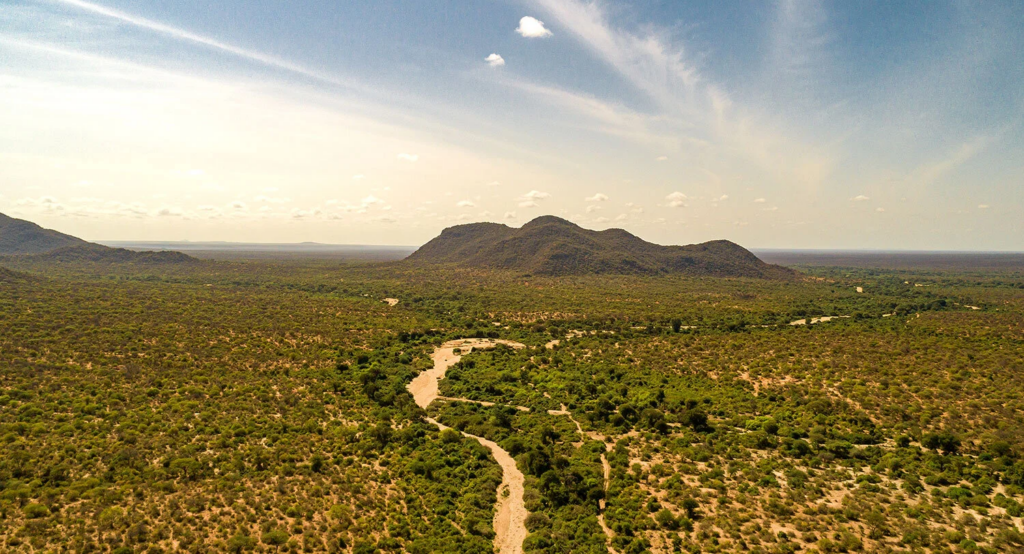
Instead of relying primarily on tree planting, the project uses changes in grazing management and rangeland rehabilitation to generate carbon credits.
The latest lawsuit follows a major ruling by the Environment and Land Court in Isiolo in January 2025 in Osman and 164 Others v Northern Rangelands Trust and 10 Others, where the court found that the Biliqo Bulesa and Cherab community conservancies had been established unlawfully and unconstitutionally, in circumstances involving unregistered community land and inadequate legal and community processes.
The dispute subsequently moved beyond Kenya’s courts and into the international carbon-certification system, prompting Verra, the organisation that administers the Verified Carbon Standard under which the project is registered, to place the project under a quality-control review after the 2025 judgment. On 18 June 2026, however, Verra reinstated the project.
The plaintiffs in the new case say their concerns go beyond the technical certification of carbon credits. They argue that the underlying issue is control of their land and natural resources. They are demanding information about revenue generated from the carbon credits and greater control over the land and resources involved in the project.
The plaintiffs also allege that restrictions associated with conservancy management have affected pastoral livelihoods and grazing practices.
The new case therefore brings a different question before the court from the 2025 litigation as the earlier case focused principally on the legality of establishing the conservancies, while the new case directly challenges the carbon project, including the relationship between land rights, consent, carbon revenues and project governance.
According to legal experts, the current dispute is about who has the legal authority to decide how the land is used, who owns or controls the carbon rights, who negotiates the commercial agreements and whether communities have sufficient information and power to consent to those arrangements.