
By Waweru Wairimu
Human-wildlife conflict killed six people and seven elephants across community conservancies in northern Kenya during the first half of 2026, highlighting an increasingly complex consequence of conservation gains in a region under growing environmental pressure.
The Northern Rangelands Trust (NRT) recorded 26 human-wildlife conflict incidents between January and June 2026, according to its biannual report. Elephants and large carnivores remained among the animals posing the greatest risks to communities.
The figures reflect a difficult transition across Kenya’s northern rangelands, where stronger protection has helped wildlife populations recover and allowed elephants to reclaim or expand parts of their former range. On the other hand, communities, however, are now living alongside more wildlife as climate change intensifies pressure on water, pasture and other natural resources.
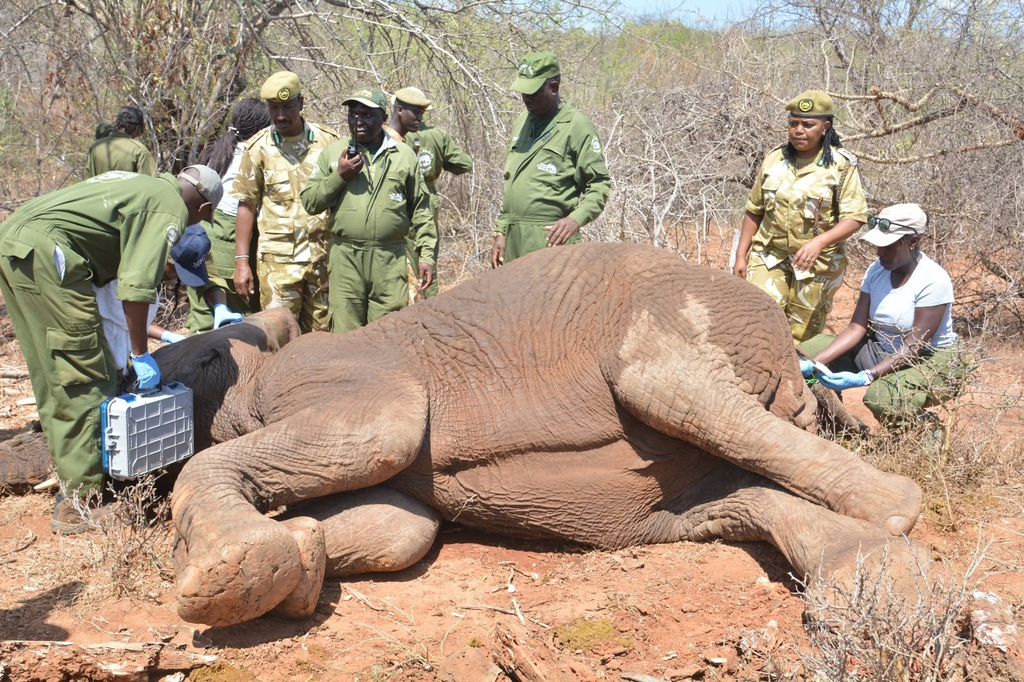
NRT recorded 43 elephant deaths during the six months. Eight were attributed to poaching and seven to human-elephant conflict. Another elephant was illegally killed, one died of natural causes, and the causes of the remaining 26 deaths were unknown.
Although poaching remains a serious threat, the figures show that conflict with people has become an increasingly important part of the conservation challenge.
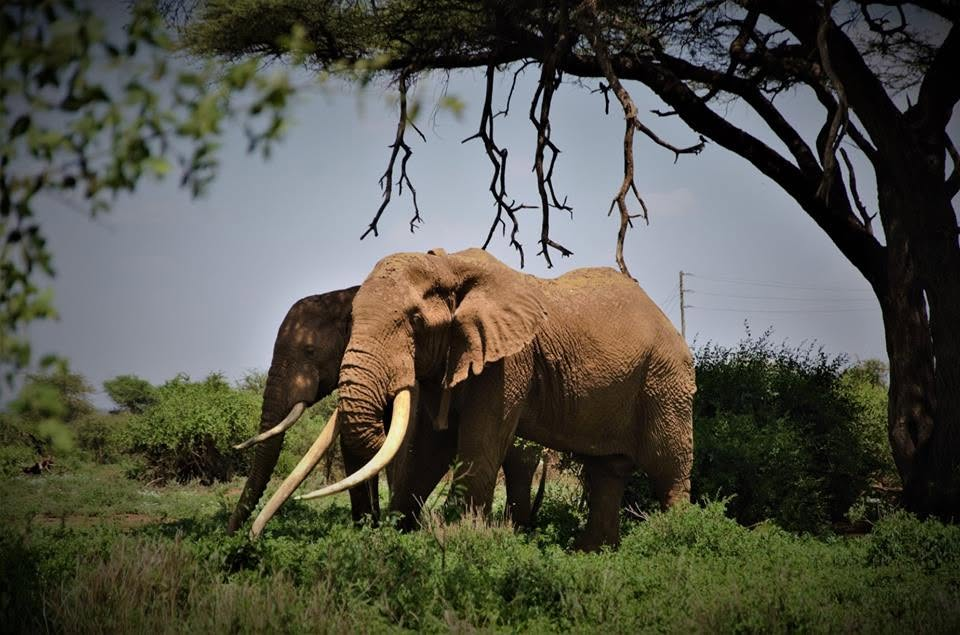
NRT wildlife assessments have reported growing populations of elephants, reticulated giraffes, Grevy’s zebras and Beisa oryx across parts of its landscape. They have also documented an expansion of elephant range and greater connectivity between Mount Kenya and Marsabit.
Yet those gains have brought new pressures. The same assessments identify rising human-elephant conflict as a major concern. According to NRT, elephants cause more human deaths and injuries in its conservancies than any other wildlife species, while retaliatory and conflict-related killings have become a significant cause of elephant mortality.
These encounters are rooted in a wider environmental problem. Northern Kenya consists largely of arid and semi-arid land, where pastoral communities, livestock and wildlife depend on many of the same water sources, grazing areas and migration corridors. During prolonged dry periods, sharing those resources becomes increasingly difficult.
While climate change does not explain every case of human-wildlife conflict, rising temperatures and increasingly severe droughts intensify existing competition by reducing available water and forage. Wildlife, livestock and people are consequently pushed towards the same resource-rich areas.
As natural water points dry up and vegetation deteriorates, elephants may travel farther in search of food and water. This increases the likelihood that they will enter human settlements, farms and livestock-grazing areas, turning environmental stress into a conservation problem with direct human consequences.
NRT’s report suggests that reliable community water supplies could reduce the need for people, livestock and wildlife to converge at the same natural water points. Protecting and restoring rangelands could also increase the availability of forage across the landscape, easing competition and reducing the likelihood of conflict. Such measures are likely to become more important as northern Kenya experiences more frequent and severe climate extremes.
The conflict is not new. In 2018, NRT identified the area around the Naibunga and Oldonyiro conservancies as a human-elephant conflict hotspot. The area lies along a critical elephant corridor linking Laikipia, Isiolo and Samburu. At the time, NRT said increasing elephant populations and movements were having a more visible impact as human settlement expanded across the landscape. Eight years later, the challenge of coexistence remains unresolved.
The issue also extends beyond northern Kenya. Research published in 2025 estimated that about 70 per cent of Kenya’s wildlife lives outside protected areas. Much of the country’s conservation effort therefore depends on landscapes where people also live and earn their livelihoods. The researchers warned that competition for land and resources, including the conversion of wildlife habitat to agriculture, could intensify conflict.
The next phase of conservation, the experts say, will depend not only on keeping elephants safe from poachers, but also on helping communities live safely alongside them as climate change, rangeland degradation and competition for water make coexistence more difficult.