

By Daniel Kaburu
Kenya Development Corporation (KDC) plans to establish what it describes as the country’s first green fund, marking a significant shift in Kenya’s efforts to finance renewable energy, climate-resilient enterprises and environmentally sustainable development.
The fund, expected to be established in the coming months, will target businesses whose projects can reduce emissions, improve resource efficiency or strengthen resilience to climate change but which have historically struggled to secure affordable, long-term financing.
KDC Director-General Norah Ratemo said financing remains the missing link between Kenya’s growing pool of green ideas and their implementation.
The urgency is being driven by the growing economic cost of climate change, with Kenya’s latest climate plan estimating that extreme weather events erode between 3% and 5% of the country’s gross domestic product annually.
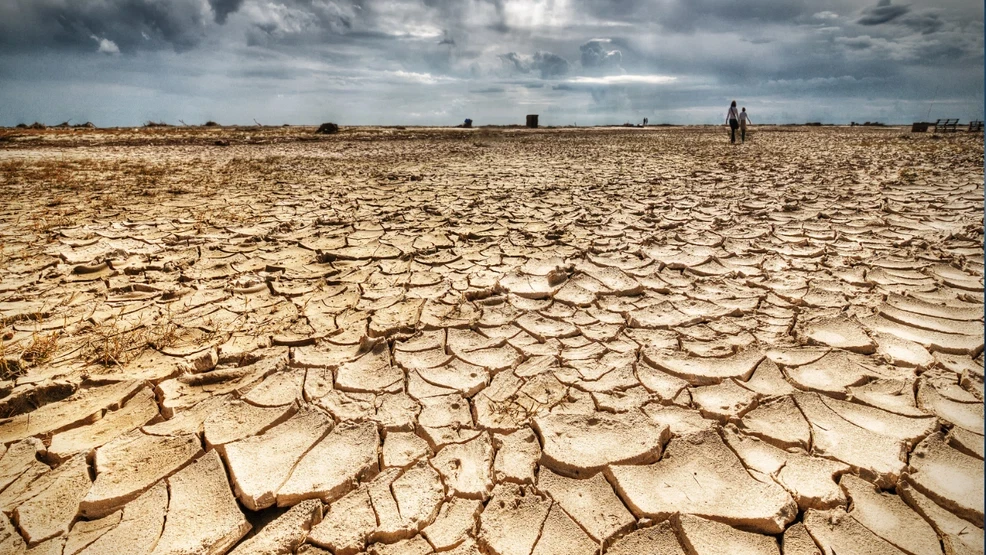
Recurring droughts have disrupted agriculture, livestock production and hydropower generation, while severe flooding has damaged homes, roads, schools, businesses and other infrastructure. Kenya’s second Nationally Determined Contribution estimates that the 2024 floods alone caused about $783 million in damage and more than $672 million in associated economic losses.
The World Bank has warned that, without sufficient adaptation measures, climate change could reduce Kenya’s real GDP by as much as 7% against the baseline by 2050. It could also push up to 1.1 million additional people into poverty under a dry and hot climate scenario.
These risks are particularly serious because agriculture, water, tourism and energy sectors are highly exposed to changes in rainfall and temperature.
Environment Principal Secretary Eng. Festus Ng’eno says governments can no longer treat climate change as a peripheral environmental concern because its effects are increasingly shaping economic planning and public policy.
Kenya’s climate ambitions require investment on a scale that public finances cannot meet alone. Under its latest climate commitment, the country estimates that it will need about $56 billion to implement mitigation and adaptation programmes between 2031 and 2035. The country intends to mobilise approximately $10.5 billion, or 19%, from domestic resources, leaving about $45.36 billion dependent on international finance, investment and other forms of support.
The plan seeks to reduce Kenya’s projected greenhouse-gas emissions by 35% by 2035, while financing adaptation in agriculture, water, health, infrastructure and other climate-sensitive sectors. Kenya’s Second Nationally Determined ContributionThe scale of the shortfall has increased pressure on development finance institutions, commercial lenders, cooperative societies, pension funds and private investors to mobilise additional capital.
Development finance institutions are particularly important because they can provide longer repayment periods, patient capital, guarantees and blended-finance arrangements for projects that commercial lenders may consider too new, risky or slow to generate returns.
Although entrepreneurs and established businesses have developed solutions capable of reducing carbon emissions and improving environmental performance, many cannot meet the collateral, repayment and risk requirements imposed by conventional lenders.
The green fund is expected to help close that gap by directing capital towards commercially viable projects that also deliver measurable environmental and social benefits.
KDC entry into green financing could also help draw private capital into projects by absorbing part of the early-stage risk. This would allow commercial banks and institutional investors to participate in investments they might otherwise avoid.
KDC has already begun integrating environmental, social and governance considerations into its investment processes. Its green-financing strategy is also being aligned with the Kenya Green Finance Taxonomy, which provides a common framework for identifying economic activities that qualify as environmentally sustainable.
Government officials say cooperative societies could complement the work of development finance institutions by extending green credit to households, farmers and small businesses that may not be served directly by larger institutions.