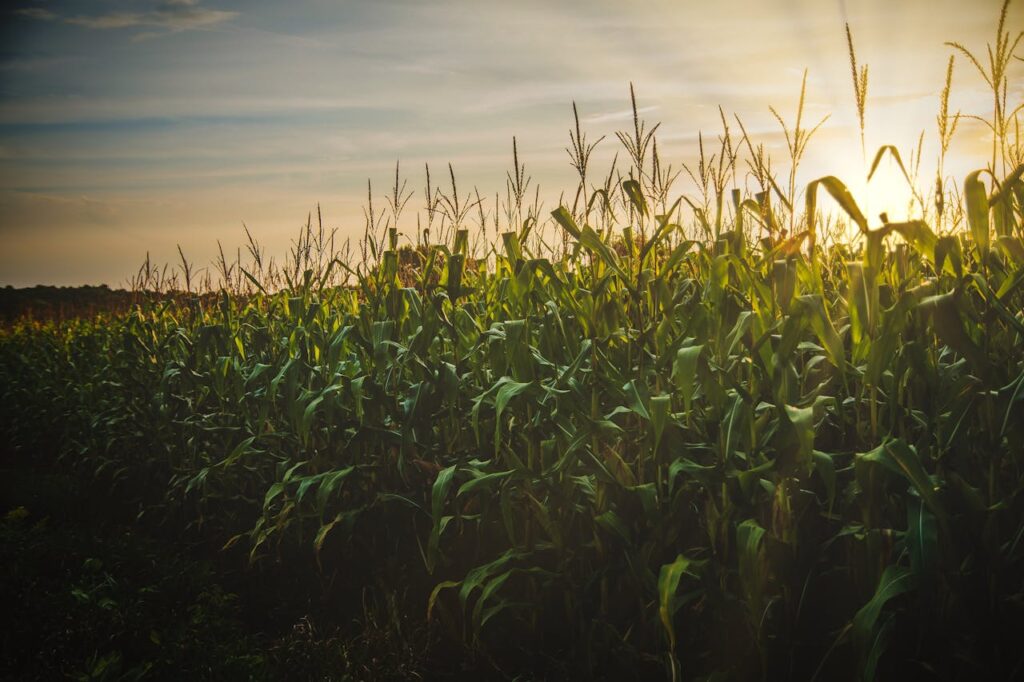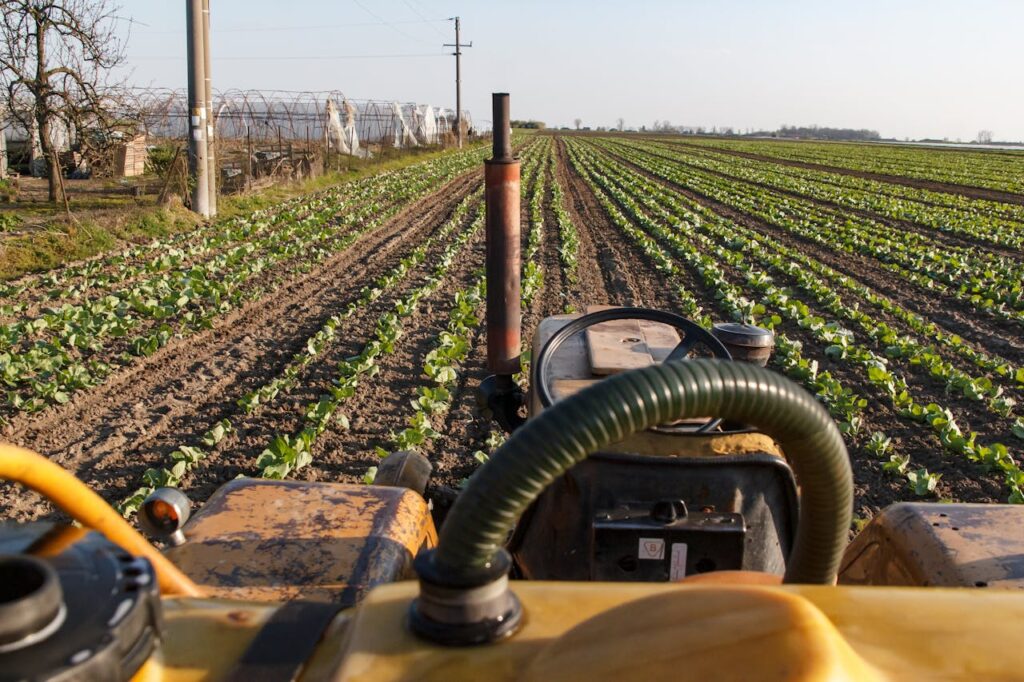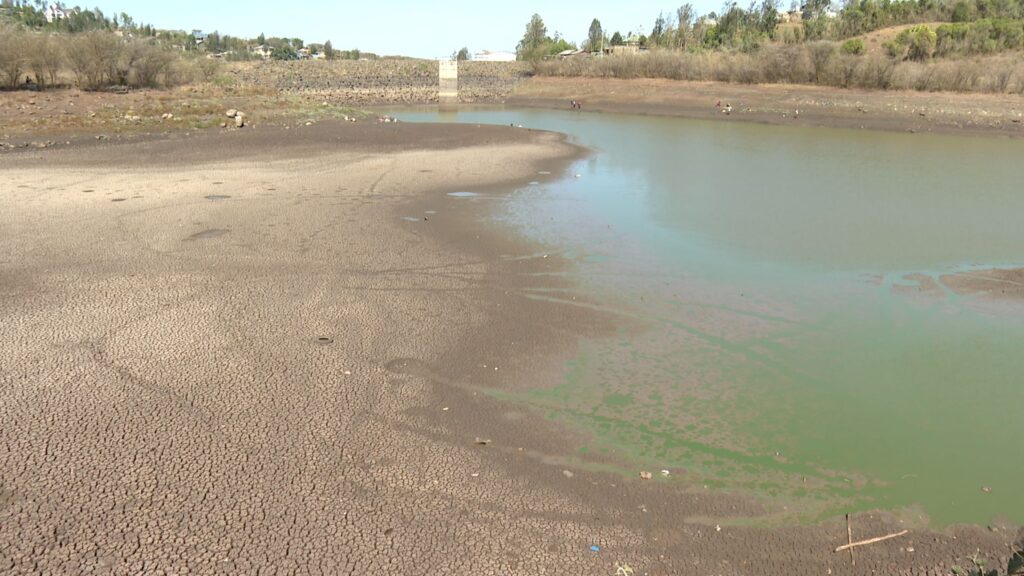
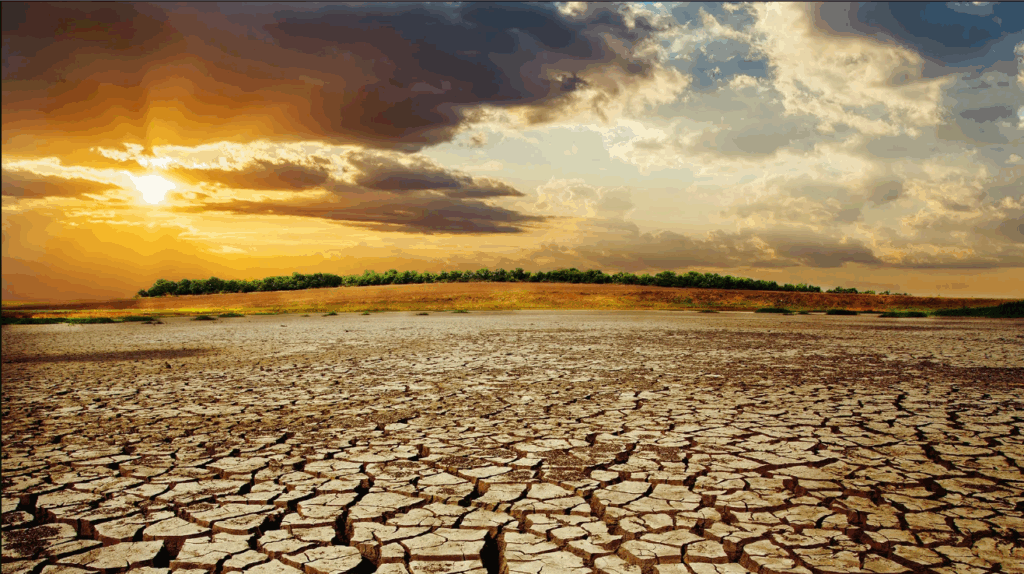
A report by the Heinrich Boell Foundation (hbf) blames overuse of synthetic fertilizers, monoculture farming, and deforestation for the declining soil fertility, erosion, and desertification, with 63% of arable land affected by acidity, 80% of soils suffering from phosphorus deficiency, and 75% of Kenya’s soils experiencing depleted organic carbon levels, reducing soil fertility and microbial activity.
By embracing clean cooking solutions, schools in Kenya could lead the way in both environmental and financial sustainability. The shift from firewood to clean energy doesn’t just save trees—it saves money, improves health, and ensures that future generations will inherit a healthier, greener planet.
Kenya is eyeing Sh 1 billion for its role in offsetting an estimated 2.5 million tonnes of carbon dioxide. According to the Forest Status Report – 2024, Kenya has an estimated 6.4 million acres of gazetted public forests and 2.7 million acres of forests in community land.
Kenya is home to 2,000 fungi and bacteria, a Forest Status Report 2024 reveals. This makes Kenya to rank eighth globally among the ten most biodiverse nations, with over 35,000 species of flora and fauna ranging from mountains, forests, rangelands, arid lands, croplands, and urban areas to marine and inland waters.
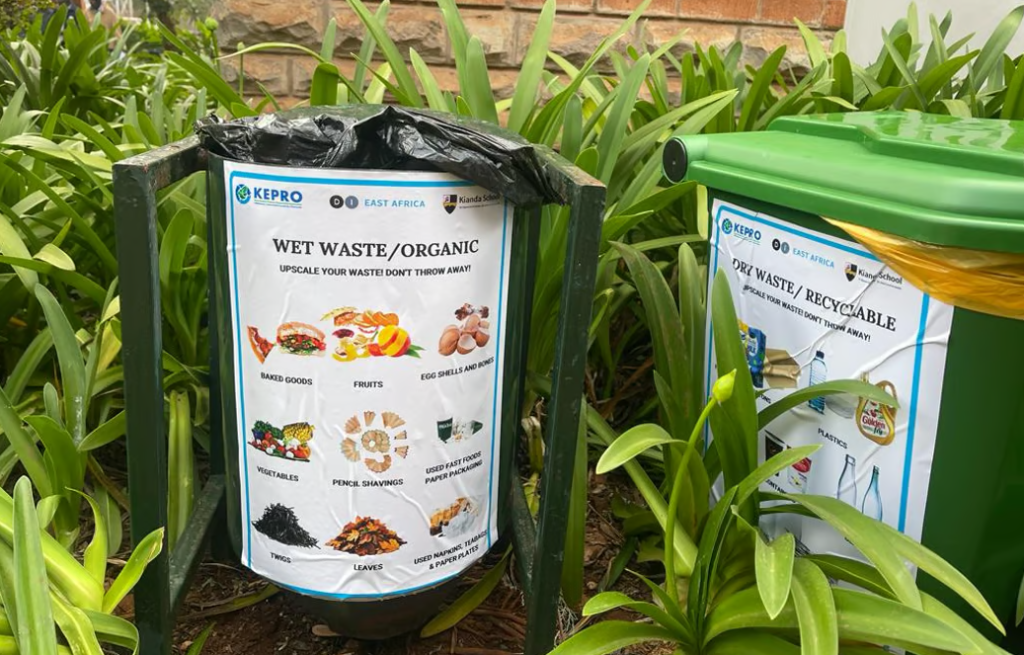
The National Environment Management Authority (NEMA) has urged private businesses to invest in Material Recovery Facilities (MRFs) as the country prepares to shift away from traditional dumping sites.
Ecobora www.ecobora.co is a green energy company whose vision is to empower local communities using green energy as a catalyst for energy poverty alleviation. “We started seeing the impact we had on families and communities where our wood pellets began replacing collecting and using smoky firewood in rural homes,” says Abuga.