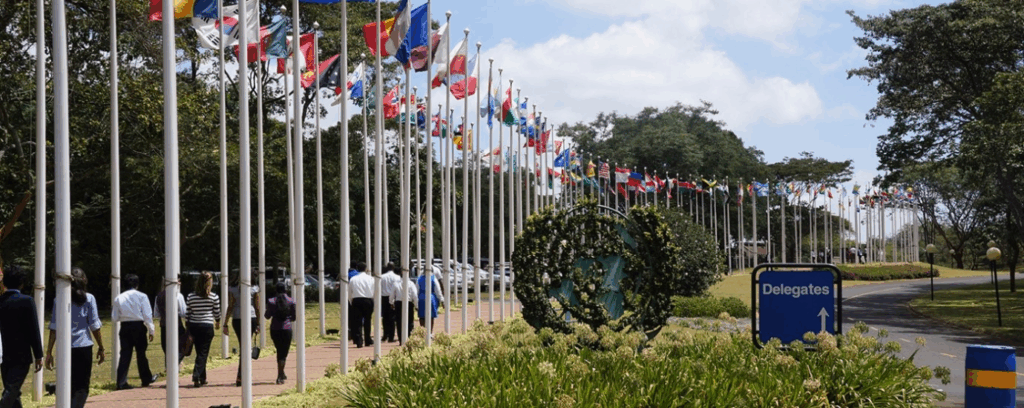

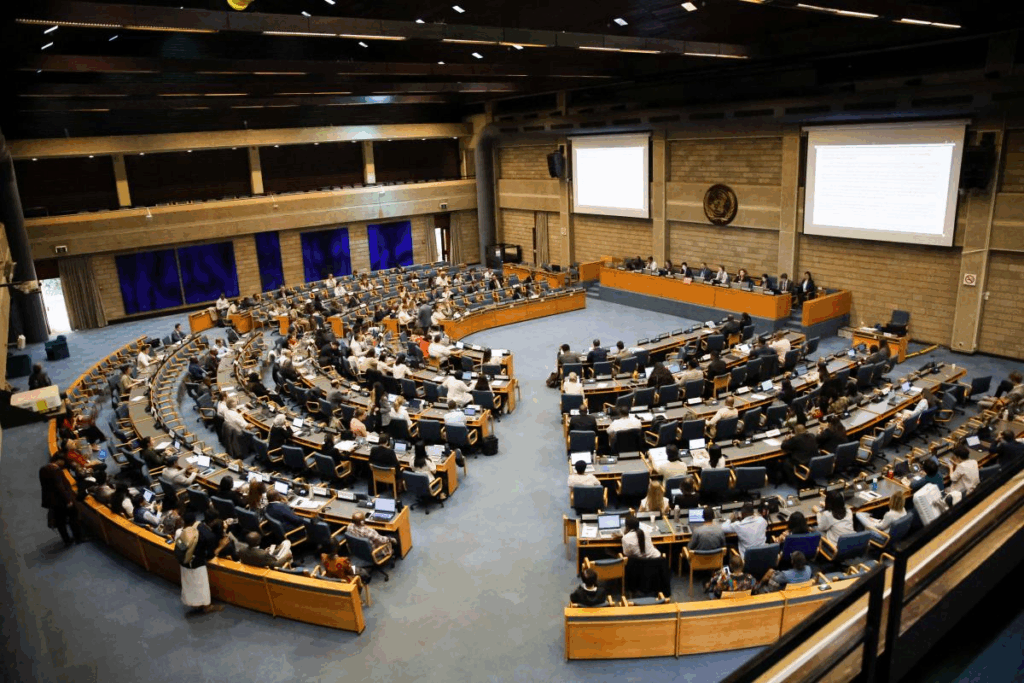
Nairobi is preparing to host the Seventh Session of the United Nations Environment Assembly (UNEA-7) from December 8 to 12, 2025. This major event focuses on converting global climate diplomacy into concrete, on-the-ground action.
The gathering comes at a critical time for Africa, which is disproportionately affected by the climate crisis. The continent is demanding a fundamental shift in how global climate finance is distributed and managed.
A key story angle is the persistent challenge of climate finance. The UNEP Adaptation Gap Report highlights a massive shortfall in funding for adaptation efforts.
While nations committed to mobilizing $40 billion annually for climate adaptation by 2025, only a fraction has been delivered. International public adaptation finance flows to developing countries were just $26 billion in 2023.
African nations, including the host country Kenya, are rolling out policies to manage their “green wealth.” They are demanding increased, equitable finance and fair partnerships to protect their natural resources.
African ministers have reiterated calls for equitable climate finance to address the continent’s growing needs. They argue that current funding is not reaching the frontline communities most affected by climate change.
Conservation experts are pushing to position wildlife conservation as a natural climate solution. They argue for the inclusion of wildlife protection in climate financing talks, especially after the devastating drought of 2022.
This is crucial given the catastrophic decline in biodiversity. A recent WWF report highlighted a 76% decline in monitored wildlife populations in Africa over the last 50 years.
This massive loss is largely due to habitat loss and the escalating impacts of climate change. The urgency of funded conservation efforts cannot be overstated.
The gap between global pledges and the reality on the ground in Kenya is stark. Community conservancies play a crucial role in conservation and climate adaptation.
However, these local efforts struggle with limited funding to sustain essential services. They are on the front lines of adapting to prolonged droughts and human-wildlife conflict.
For UNEA-7 to be a success, it must bridge this gap. The focus must shift from high-level pledges to ensuring finance empowers grassroots conservation organizations.
Africa’s message is clear: climate finance must be accessible, equitable, and directly support the communities and ecosystems that are the first line of defense against the climate crisis.