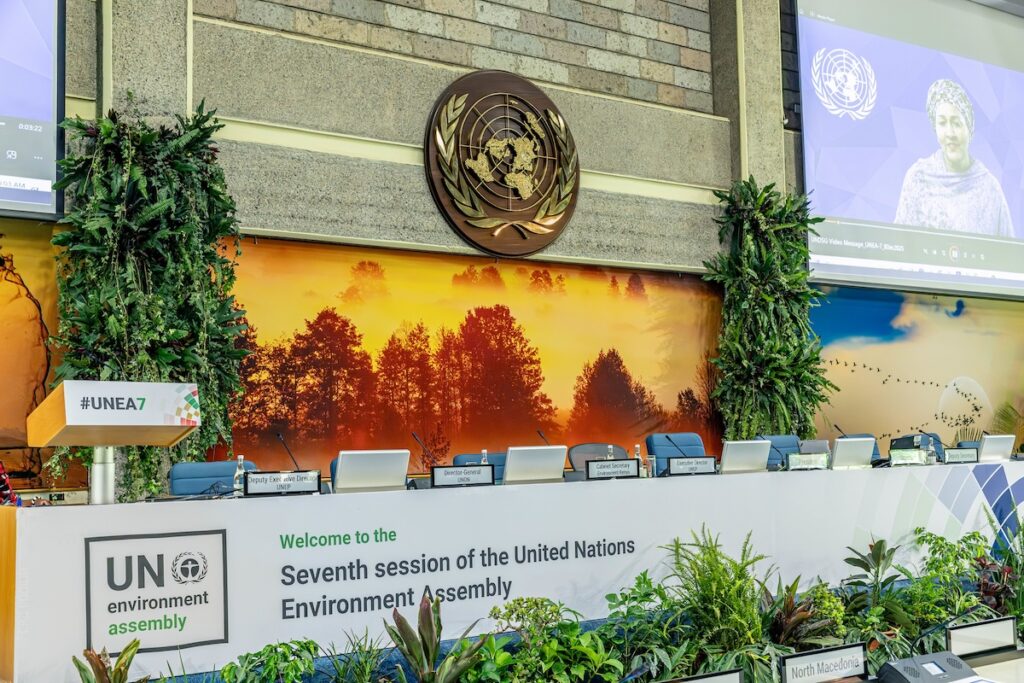

The 7th United Nations Environment Assembly (UNEA-7) has opened in Nairobi under a cloud of tension.
Delegates from 193 countries are gathering as climate disasters intensify, pollution worsens, and international cooperation weakens.
UNEP Executive Director Inger Andersen set the tone early, warning that global unity is fading just when the planet needs it most. She urged delegates to find common ground, reminding them that every resolution requires consensus.
UNEA-7 President Abdulahi Bin Ali Al-Amri echoed the urgency, saying the world is facing interlinked crises of climate change, biodiversity loss, pollution and waste. He described the assembly as a “decisive moment” that will test whether nations can rebuild trust and deliver real solutions.
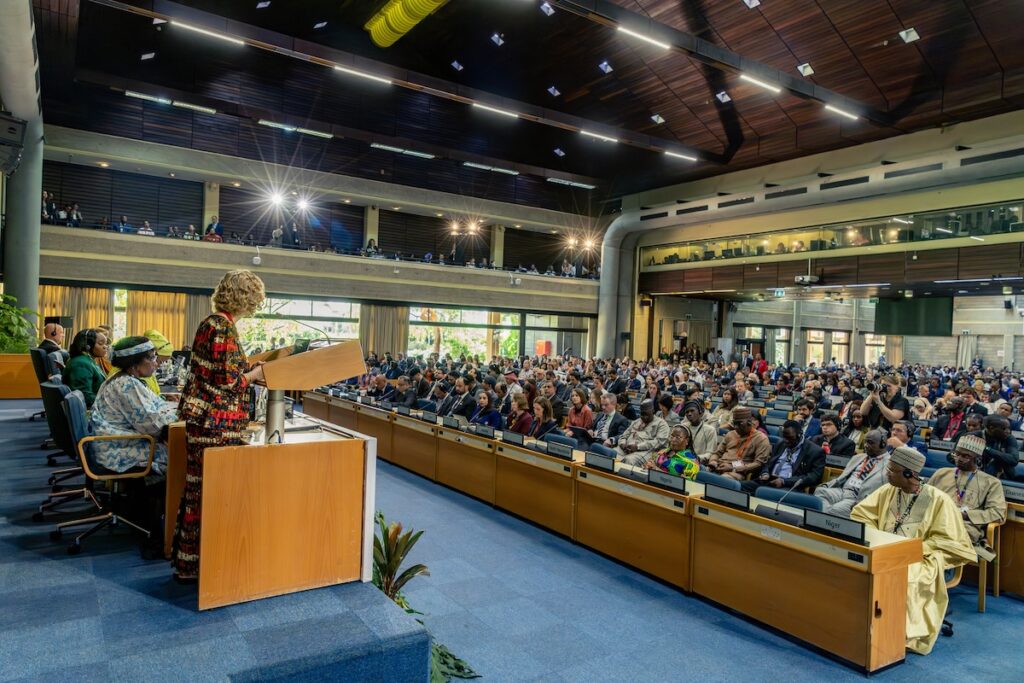
Kenya’s Environment Cabinet Secretary Dr Deborah Malongo Barasa called for bold action, saying UNEA must not simply discuss the future but help shape it. She urged countries to push for a strong Ministerial Declaration and a five-year UNEP strategy anchored in science, fairness and innovation.
This year’s assembly will negotiate 15 resolutions, touching on glaciers, chemical pollution, circular economy, seaweed blooms, minerals and metals for the energy transition, and the environmental impacts of artificial intelligence. Delegates will also confront slower-than-expected progress on the global plastics treaty first launched in Nairobi in 2022.
But the bigger challenge is political. Last week’s technical negotiations revealed sharp divisions, with civil society groups warning that some countries are trying to weaken participation and stall environmental action. UNEA-7 therefore becomes a test of whether multilateralism can survive rising geopolitical tensions and economic pressures.
As the meeting progresses, the question is whether countries can overcome their differences and act fast enough to protect people and the planet.