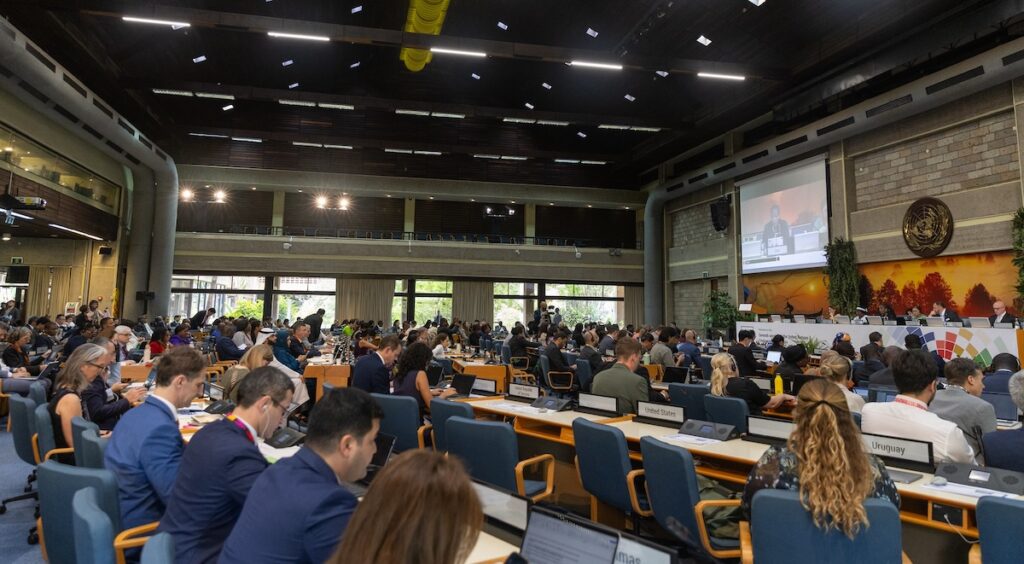

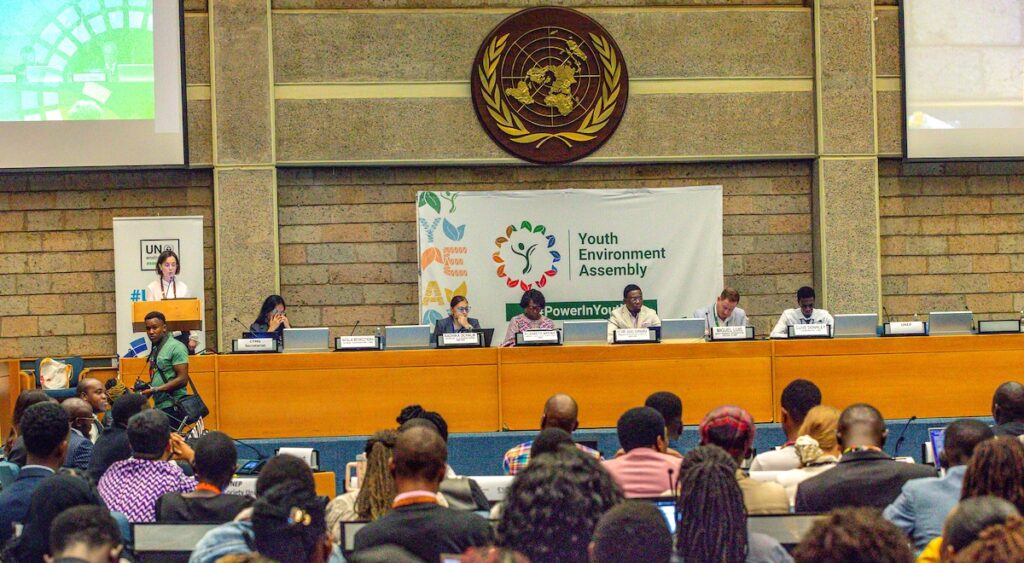
The 7th session of the United Nations Environment Assembly (UNEA-7) closed in Nairobi on Friday with a familiar ritual of carefully negotiated resolutions, diplomatic handshakes, and solemn declarations about a planet in peril.
On paper, the outcomes looked impressive with 11 resolutions, three decisions and a ministerial declaration, all aimed at steering the world toward a more resilient future. Yet beneath the formal consensus lay widening rifts that continue to haunt global environmental governance.
UNEA-7 unfolded at a time when environmental crises are no longer abstract forecasts but lived realities. Climate shocks are intensifying, biodiversity loss is accelerating, and pollution continues to erode human health and ecosystems. Against this backdrop, the assembly should have been a moment of bold convergence. Instead, it exposed how deeply fractured the global response has become.
Few issues illustrated these fractures more starkly than the debate around critical energy transition minerals. Lithium, cobalt, nickel and copper are the backbone of the green energy transition, feeding the rapid expansion of batteries, electric vehicles, solar panels and wind turbines. At UNEA-7, governments formally acknowledged the mining of these critical minerals as a global issue and launched a UN taskforce on the subject, a step that, at face value, signals progress.
But the negotiations that led to this outcome tell a more troubling story. A proposal spearheaded by Colombia and Oman sought to establish international processes to address the environmental and social impacts of mining and mineral processing. It aimed to confront the full life cycle of these materials, from extraction to disposal, and to set stronger standards on pollution, community engagement and environmental protection.
During negotiations, however, the proposal was steadily diluted. Language calling for binding environmental safeguards, accountability mechanisms and local value addition was softened or stripped out entirely. The result is a resolution that acknowledges the problem without meaningfully addressing it.
For many developing countries and civil society groups, this was not compromise but retreat. The green transition, they argue, risks becoming a new extractive frontier, one that reproduces colonial patterns of resource exploitation under the banner of climate action. Minerals are dug out of the Global South, environmental damage is localized, while value and profits accumulate in the Global North.
This tension mirrors broader rifts in climate and environmental negotiations. Wealthy nations and powerful corporate interests often frame the energy transition as an urgent technological challenge, emphasizing speed and scale. Many developing countries, meanwhile, view it as a justice issue, one that must account for historical responsibility, uneven benefits and long-standing environmental harm. UNEA-7 revealed how far apart these perspectives remain.
The minerals debate also exposed a deeper contradiction at the heart of global environmental policymaking, manifested by the tendency to treat symptoms without confronting systems.
There is also a widening gap between resolutions and execution. UNEA is the world’s highest-level environmental decision-making body, but it has no enforcement powers. Its influence depends on political will at national and regional levels. Governments readily endorse declarations during conferences, only to delay, dilute or abandon implementation back home. This implementation deficit undermines the credibility of multilateral environmental agreements and fuels public cynicism.
The timing of UNEA-7 added symbolic weight to these contradictions. The final day coincided with the 10th anniversary of the Paris Agreement, a milestone that should have marked accelerated action. Instead, it served as a reminder of how far the world remains from its promises. A decade after committing to limit global warming to 1.5°C, emissions continue to rise, and the pathways to a just transition remain deeply contested.
UNEP Executive Director Inger Andersen captured the moral stakes when she reminded delegates that beyond conference halls, people are dying, livelihoods are being destroyed, and inequality is deepening because environmental action has not been fast or strong enough. Her words underscored a sobering truth that environmental diplomacy cannot afford incrementalism in an age of cascading crises.
As UNEA-7 President Abdullah bin Ali Al-Amri noted in closing remarks, success will not be measured by words agreed in Nairobi but by cleaner air and water, restored ecosystems, green jobs and resilient communities. Achieving these outcomes requires confronting the rifts laid bare at UNEA-7. It demands moving beyond symbolic consensus toward difficult conversations about power, accountability and fairness.
If UNEA is to remain relevant, future sessions must do more than reconcile competing interests on paper. They must bridge the gap between ambition and execution, ensure that the green transition does not become a new chapter of environmental injustice, and place people and not just technologies and markets at the center of global environmental action. Without this shift, UNEA risks becoming a forum where the world agrees on the urgency of change, even as it continues to disagree on how and for whom that change should happen.