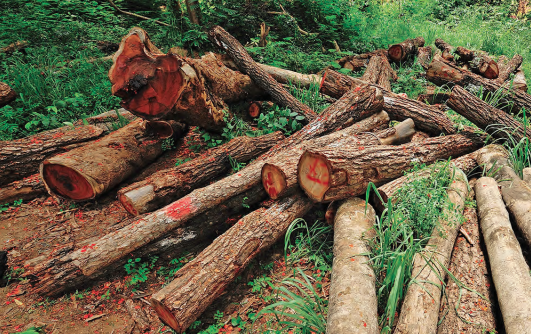
Kenya is eyeing Sh 1 billion for its role in offsetting an estimated 2.5 million tonnes of carbon dioxide. According to the Forest Status Report – 2024, Kenya has an estimated 6.4 million acres of gazetted public forests and 2.7 million acres of forests in community land.
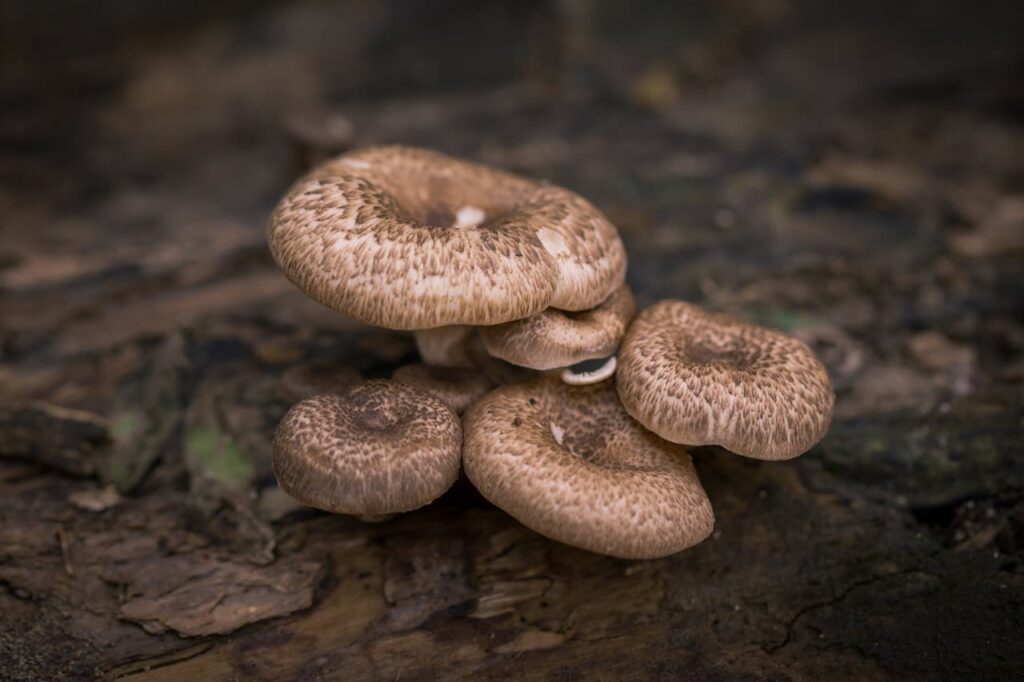
Kenya is home to 2,000 fungi and bacteria, a Forest Status Report 2024 reveals. This makes Kenya to rank eighth globally among the ten most biodiverse nations, with over 35,000 species of flora and fauna ranging from mountains, forests, rangelands, arid lands, croplands, and urban areas to marine and inland waters.
The National Environment Management Authority (NEMA) has urged private businesses to invest in Material Recovery Facilities (MRFs) as the country prepares to shift away from traditional dumping sites.
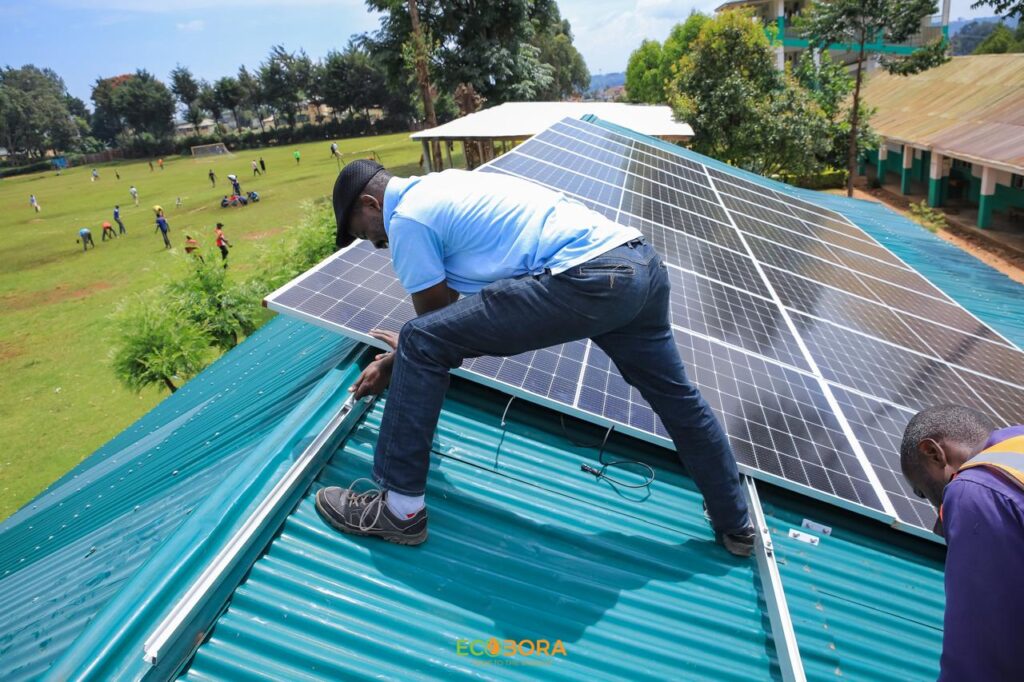
Ecobora www.ecobora.co is a green energy company whose vision is to empower local communities using green energy as a catalyst for energy poverty alleviation. “We started seeing the impact we had on families and communities where our wood pellets began replacing collecting and using smoky firewood in rural homes,” says Abuga.
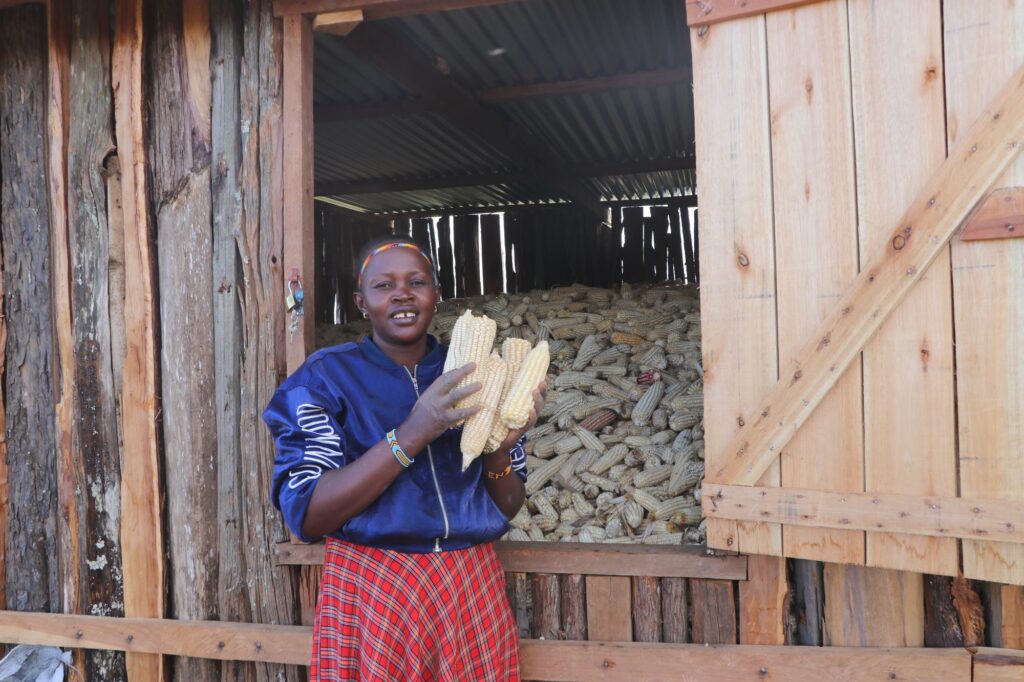
In Logorate village, nestled within the vast, arid landscape of Samburu County, Hellen Nasha aged 46, tends to her farm, a striking contrast to the dusty plains surrounding it. Her 9.5-acre plot is teeming with life—lush rows of vegetables flourish under the semi-arid sun. Once a pastoralist relying on livestock like most of her Samburu community, Hellen is embracing farming to combat the devastating effects of climate change.
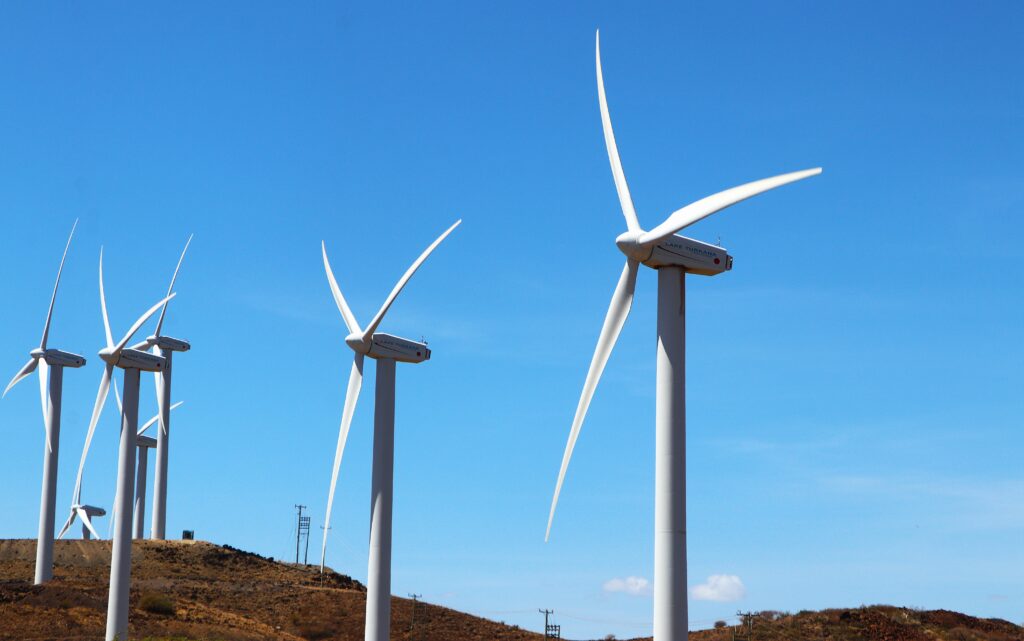
The luxury of an uninterrupted power supply is often taken for granted by many, especially urban dwellers. Ironically, some residents living in counties that host Kenya's supply remain the most underprivileged.
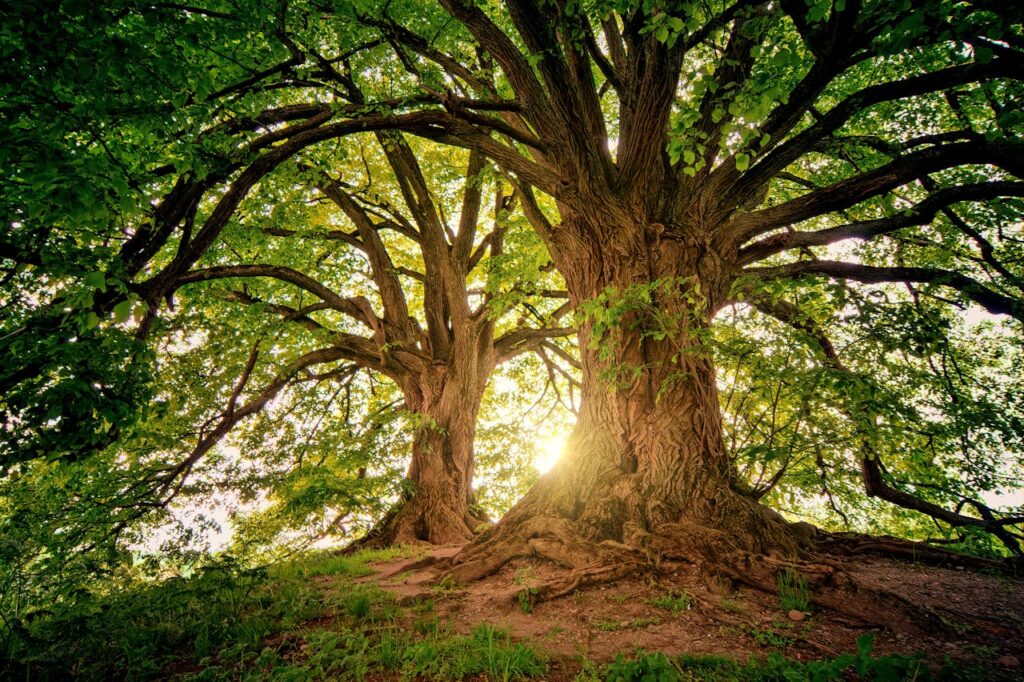
One young Kenyan, Truphena Muthoni, has made it her mission to spread the word about the health benefits of tree hugging. At just 21 years old, she knows firsthand the power of connecting with nature, especially after overcoming a mental health disorder.
Kenya’s pursuit of nuclear power also raises questions about regional security. While only two African countries—South Africa and Egypt—currently have nuclear power programs, several others, including Ghana, Morocco, Nigeria, Rwanda, Tanzania, and Uganda, are considering nuclear energy as part of their future energy strategies.