

By Agencies
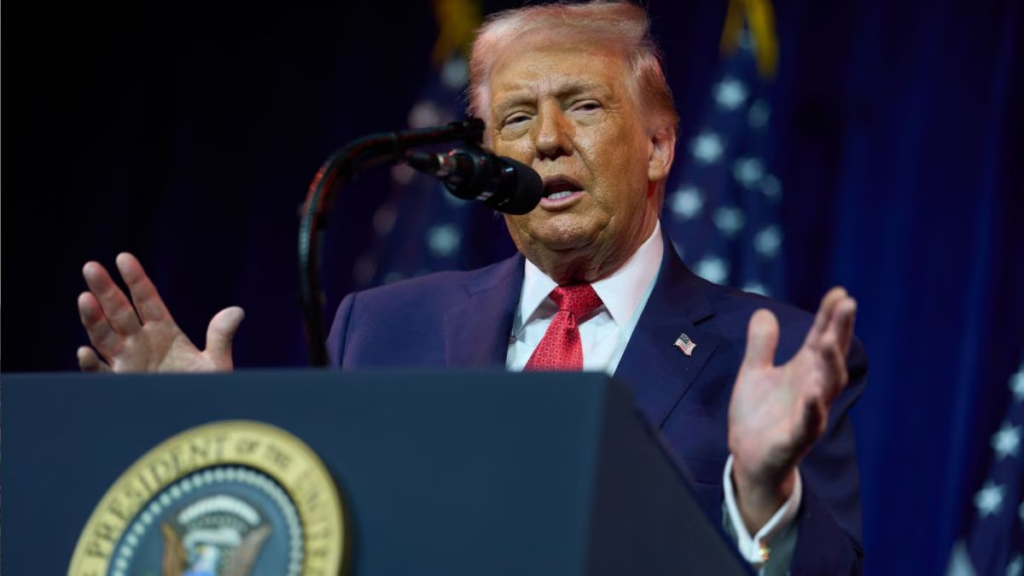
In a sweeping move that marks one of the most significant shifts in U.S. foreign and environmental policy in decades, President Donald Trump on Wednesday signed an executive order withdrawing the United States from 66 international organizations, treaties, and commissions, including the United Nations Framework Convention on Climate Change (UNFCCC).
The decision also sees the U.S. exit bodies such as the Intergovernmental Panel on Climate Change (IPCC) and other climate and energy-related institutions.
U.S. officials argue that these organizations are redundant or counter to U.S. sovereignty, though critics see the moves as a retreat from global leadership on climate.
Climate advocates and international diplomats reacted with alarm, warning that the U.S. departure from the UNFCCC, a treaty held by nearly every nation since 1992, threatens to weaken the architecture that enables nearly every major global climate pact, including the Paris Agreement.
Analysts say the absence of the world’s second-largest historical emitter from formal climate talks could slow progress on coordinated emission reductions and undercut the momentum needed to meet shared temperature goals.
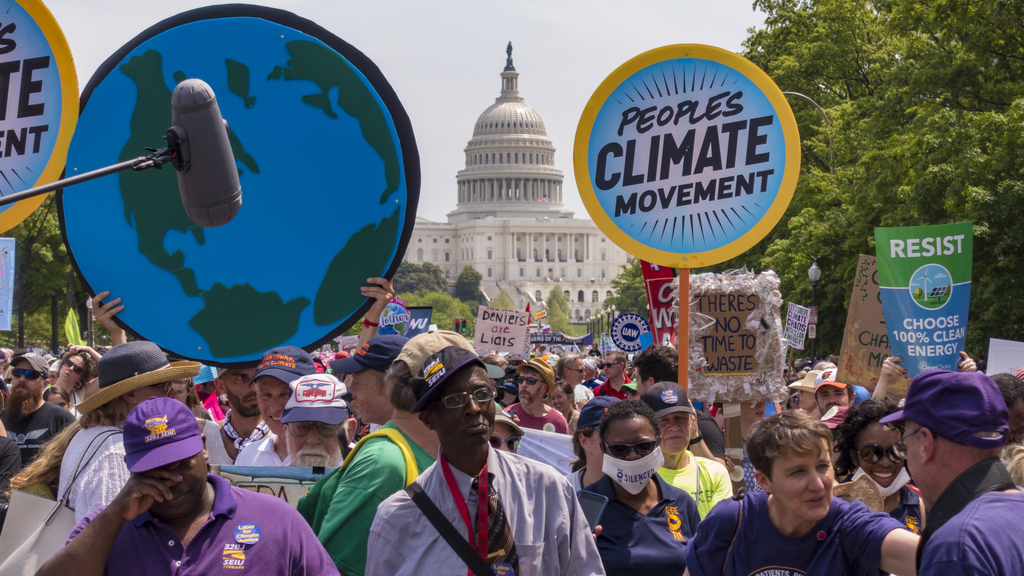
Without Washington’s voice at the table, other countries may recalibrate their own commitments, potentially taking a less urgent approach to cutting greenhouse gases.
Experts also warn that the withdrawal could make it harder for developing nations to secure predictable support for climate adaptation and mitigation programs previously buoyed by U.S. engagement.
The exit from the IPCC means that U.S. researchers can still contribute individually, but the country will no longer be part of the formal processes that shape global climate assessments and inform policy decisions around the world. Critics say this undermines the availability of trusted data at a time when extreme weather events and climate impacts are accelerating.
The political signal from Washington has broader implications for the global energy transformation.
Multilateral climate frameworks have long helped steer investment and policy certainty toward clean energy. Removing the United States from these frameworks injects uncertainty into markets and could raise the cost of financing clean energy.
Despite the U.S. move, many nations reaffirmed their commitment to climate goals and green energy transitions.