
By Renson Karisa
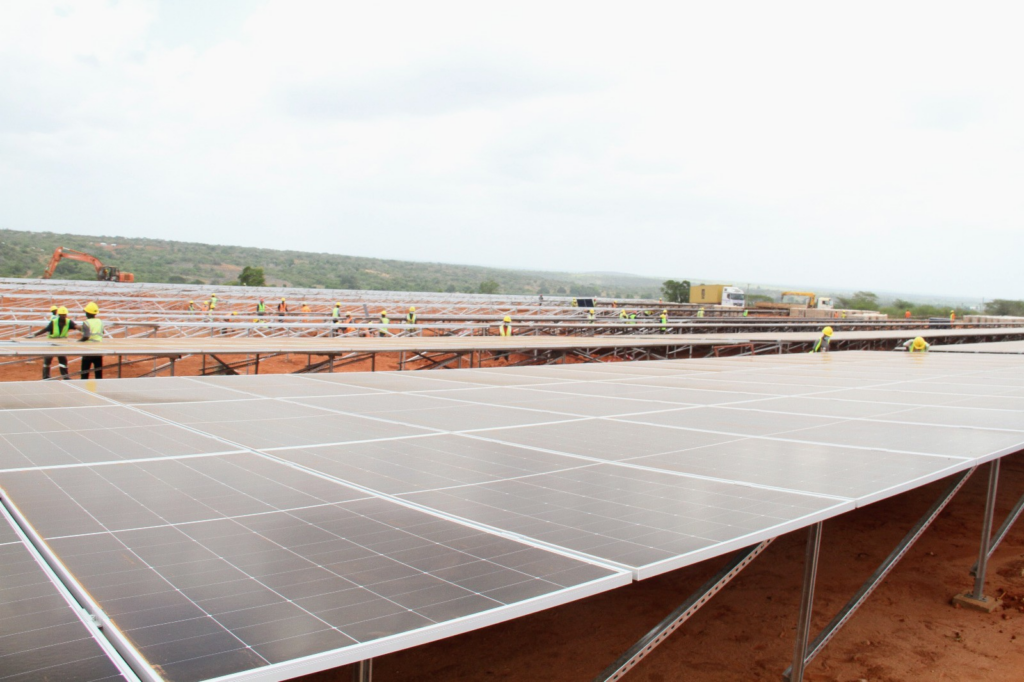
The Coast Water Works Development Agency (CWWDA) has joined the country’s clean energy transition after unveiling a 4.6-megawatt solar power plant that will sharply cut electricity costs and stabilise water supply.
The large-scale renewable energy installation aligns with Kenya’s push to green its critical infrastructure, reducing dependence on grid electricity while demonstrating how solar power can be integrated into essential public services.
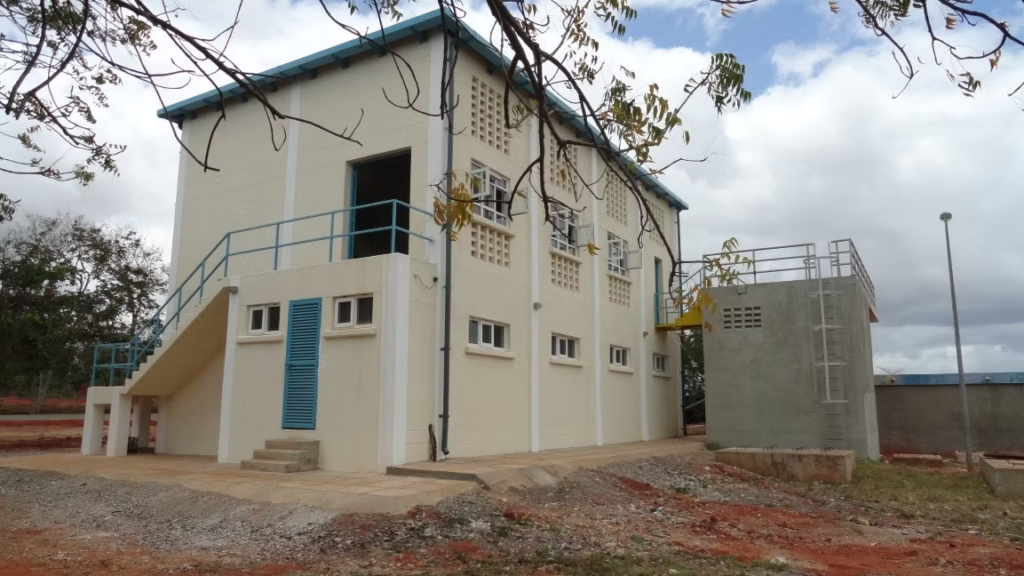
At the heart of the project is the Baricho Water Solarisation Plant in Kilifi County, which will supply clean power to boreholes and high-lift pumps that move water across long distances to Mombasa, Kilifi and Malindi.
For years, the agency relied almost entirely on grid electricity, a dependence that translated into soaring power bills and frequent supply disruptions.
According to Project Coordinator David Kanui, CWWDA’s monthly electricity bill has hovered around Sh60 million, putting sustained pressure on water service providers and consumers alike.
To break that dependence, the agency partnered with development partners led by the World Bank under the Water and Sanitation Development Project (WSDP), which financed the Sh670 million solar installation.
Implemented by the Ministry of Water, Sanitation and Irrigation, the project integrates solar energy directly into the Baricho water system. Once fully operational, it is expected to cut electricity costs by at least Sh10 million.
Under Phase One, the solar plant will power all 11 boreholes and the high-lift pumping system supplying Malindi. Future phases will extend solar-powered pumping to Mombasa, further reducing reliance on fossil-fuel-based grid power.
The project, which began in October 2025, is scheduled for completion by March 31, 2026.
In Malindi, engineers have reported steady progress, with Phase One now 60 percent complete. Solar Engineer Serah Mbwaya said the first phase is expected to be commissioned by the end of this month.
The agency is also preparing to take advantage of net metering, which would allow excess solar power generated during the day to be fed into the national grid and drawn back at night, reducing the need for large battery systems.