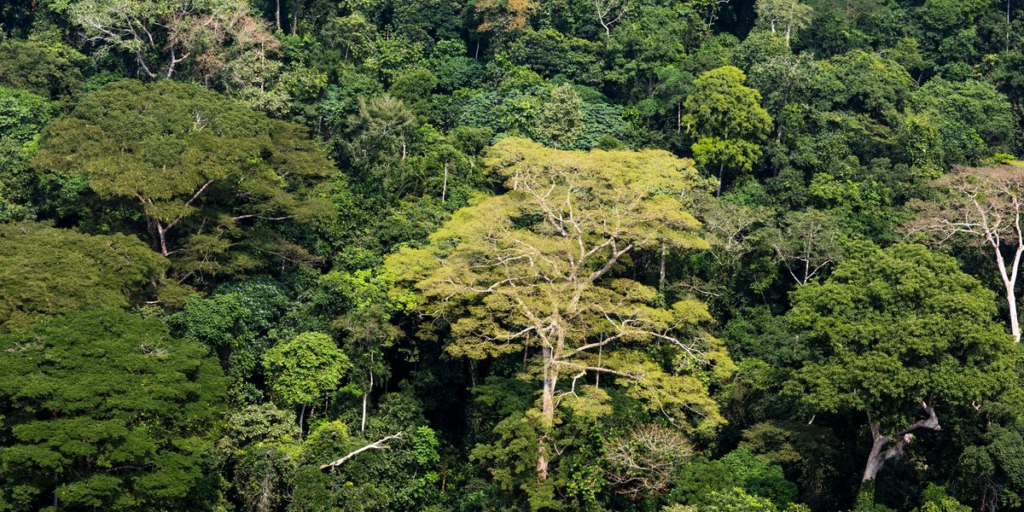

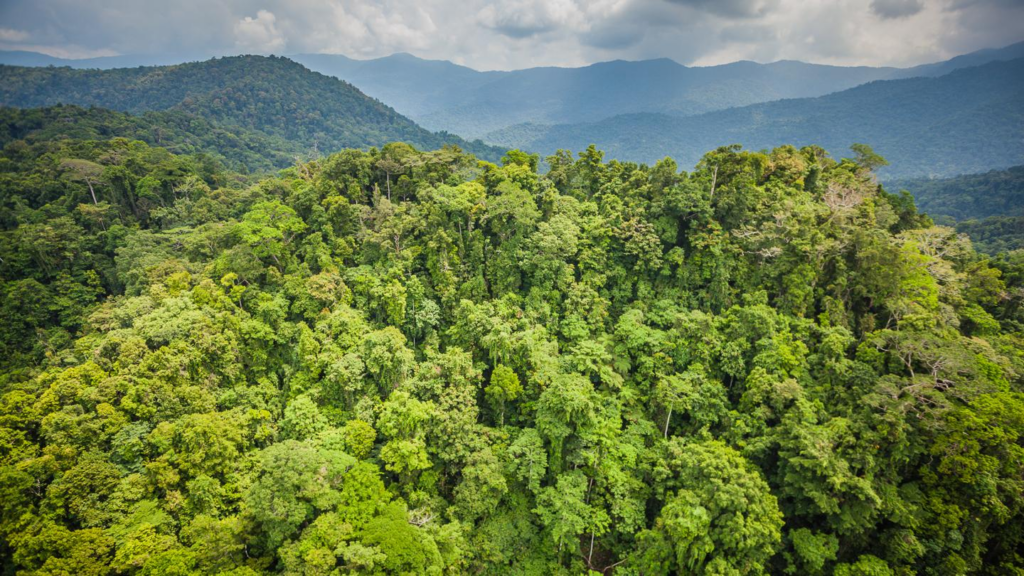
Forests across Africa have shifted from absorbing carbon dioxide to releasing more carbon than they store. This is according to new research that suggests that Africa’s forests, long seen as a powerful buffer against climate change, are now adding carbon to the atmosphere rather than removing it.
The international study published in Scientific Reports, led by scientists at the National Centre for Earth Observation at the Universities of Leicester, Sheffield, and Edinburgh shows that from 2010 to 2017, Africa lost an estimated 106 billion kilograms of forest biomass each year.
“Most of this loss occurred in tropical moist broadleaf forests, particularly in the Democratic Republic of Congo, Madagascar, and parts of West Africa, where deforestation and forest degradation were the main drivers,”
Although some savanna regions experienced gains from increased shrub growth, these increases were not sufficient to counterbalance the overall losses, an article by Leicester University appearing in SciTechDaily shows.
Professor Heiko Balzter, senior author and Director of the Institute for Environmental Futures at the University of Leicester, said: “This is a critical wake-up call for global climate policy. If Africa’s forests are no longer absorbing carbon, it means other regions and the world as a whole will need to cut greenhouse gas emissions even more deeply to stay within the 2°C goal of the Paris Agreement and avoid catastrophic climate change. Climate finance for the Tropical Forests Forever Facility must be scaled up quickly to put an end to global deforestation for good.”
The study brings together information from NASA’s spaceborne laser instrument known as GEDI and radar observations from Japan’s ALOS satellites, along with machine learning techniques and thousands of field-based forest measurements. Together, these data produced the most detailed map so far of changes in forest biomass across Africa, tracking a full decade and revealing deforestation patterns at a local scale.
Dr Nezha Acil, co-author from the National Centre for Earth Observation at the University of Leicester’s Institute for Environmental Futures, said: “Stronger forest governance, enforcement against illegal logging, and large-scale restoration programs can make a huge difference in reversing the damage done.”
Dr Pedro Rodríguez-Veiga, who carried out the bulk of the analysis at NCEO and University of Leicester and now working at Sylvera Ltd, said: “If Africa’s forests turn into a lasting carbon source, global climate goals will become much harder to achieve. Governments, the private sector, and NGOs must collaborate to fund and support initiatives that protect and enhance our forests.”