
Climate change is increasingly shaping patterns of migration across Africa, with droughts, food insecurity, and conflict pushing vulnerable communities to move, while strong adaptation systems are helping others stay put, a new study has found.
The research, published in the journal Sustainable Development, examines how climate hazards, armed conflict and adaptive capacity interact to influence migration flows across the continent.
Using long-term data spanning two decades, the study shows that environmental shocks such as droughts significantly raise the likelihood of migration, especially in regions already destabilised by insecurity.
The findings also reveal that countries and communities with stronger systems to cope with climate stress, including resilient agriculture, better water access, health services and disaster preparedness,s experience lower levels of climate-driven migration, even when exposed to severe environmental pressures.
“Climate change does not automatically lead to migration,” the study notes. “Its impact depends heavily on whether people have the means to adapt.”
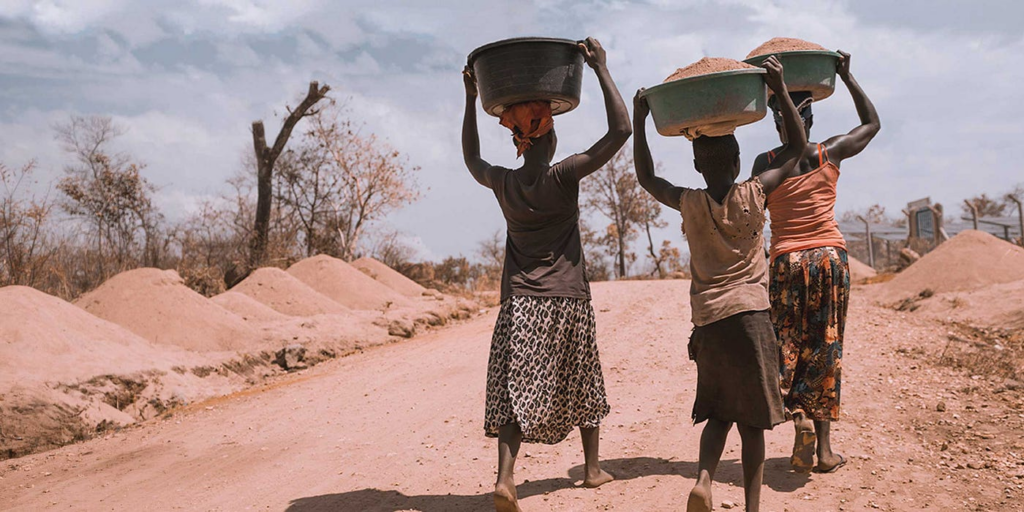
The researchers found that drought reduces agricultural productivity, undermining rural livelihoods and intensifying food insecurity, a major trigger for movement, particularly in agrarian and pastoralist regions. Where conflict is present, these climate shocks are amplified, compounding displacement risks.
However, in areas with higher adaptive capacity, the same drought conditions result in far fewer people leaving their homes. Investments in irrigation, drought-tolerant crops, diversified livelihoods and climate-resilient infrastructure were shown to weaken the link between environmental stress and migration.
The study challenges the popular narrative that climate change alone will drive mass displacement across Africa. Instead, it presents a more nuanced picture in which climate hazards, political instability and economic vulnerability intersect, with adaptation acting as a decisive buffer.
Strengthening adaptation, the authors argue, is not only an environmental priority but also a social and security strategy that can reduce forced migration and prevent humanitarian crises.
As African countries confront worsening climate extremes, from prolonged droughts in the Horn of Africa to erratic rainfall across the Sahel, the study underscores that targeted investments in resilience could help millions remain in their communities rather than being forced to migrate in search of survival.