
By Karabo Mokgonyana
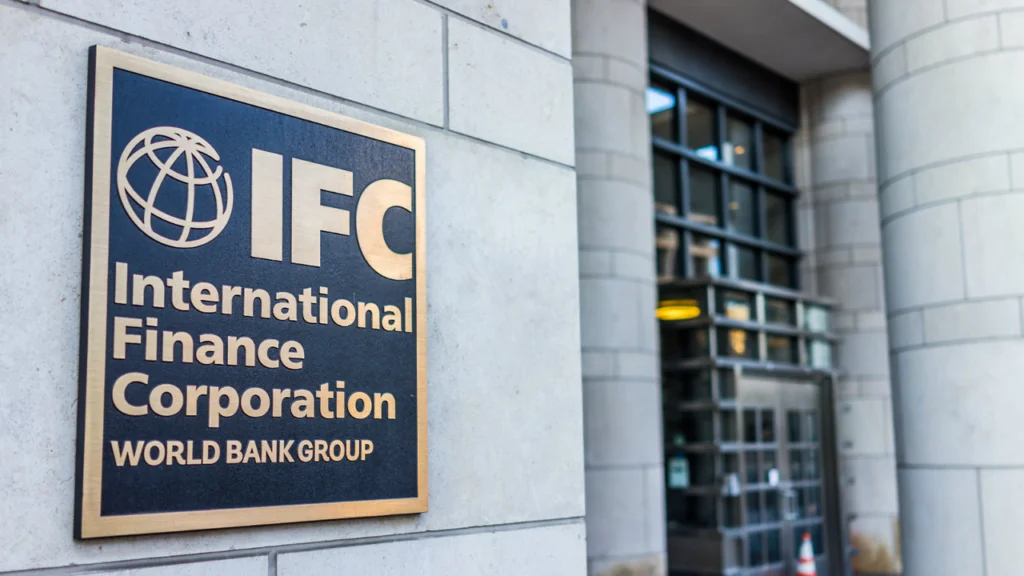
As Africa confronts escalating climate shocks, rising debt, and widespread energy poverty, the World Bank’s private-sector arm, the International Finance Corporation (IFC), is advancing new fossil gas projects on the continent. These approvals expose a troubling contradiction within global climate finance.
At a time when Africa contributes the least to global emissions yet suffers the worst impacts, development finance should accelerate clean energy solutions. Instead, the IFC is backing fossil gas infrastructure framed as “pragmatic” and “transitional.”
One project is the US$100 million Sahara LPG initiative. It will finance new liquefied petroleum gas storage terminals in Ghana, Nigeria, Kenya, and Tanzania, alongside trade finance facilities supporting fossil fuel distribution.
The second is Senegal’s Cap des Biches gas conversion project, which seeks to convert a thermal plant from heavy fuel oil to liquefied natural gas (LNG). Both projects are presented as development-friendly energy upgrades.
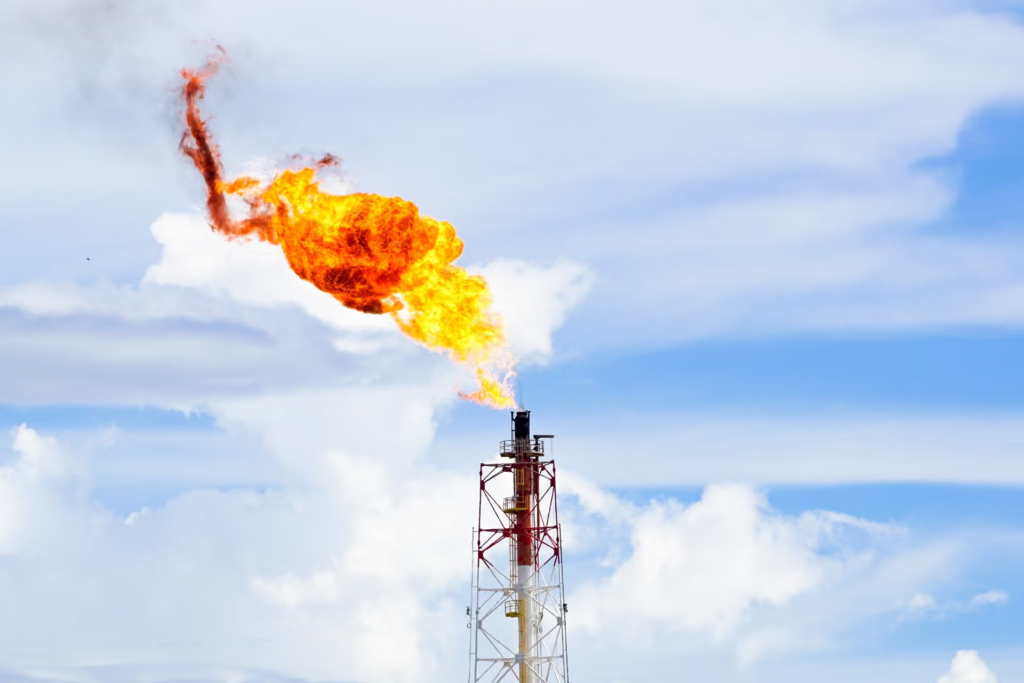
But gas by another name is still gas. LPG and LNG require long-term infrastructure, lock countries into volatile global import markets, and divert scarce capital from renewable systems better suited to Africa’s needs.
The Sahara LPG project represents a regional fossil fuel logistics expansion. New terminals in Tema, Apapa, Mombasa, and Dar es Salaam would deepen fossil fuel dependency in already congested and environmentally stressed industrial zones.
Meanwhile, more than 600 million Africans lack electricity, many in rural areas where decentralized solar and wind solutions are faster and cheaper to deploy. Gas infrastructure does little to address this structural access gap.
Transparency surrounding these projects has also been limited. Communities near ports, pipelines, and power plants appear to have received minimal information and limited opportunity for meaningful consultation.
Disclosure documents are technical and often inaccessible. In Senegal, the Cap des Biches plant sits just 500 metres from nearby communities, yet clarity around early-stage consultation remains unclear.
This approach appears inconsistent with the IFC’s own Performance Standards, which require inclusive, timely, and iterative engagement with affected communities.
Equally concerning is the trade finance component of the Sahara LPG project. By risk-participating in large trade finance facilities, the IFC can indirectly support fossil fuel expansion with less scrutiny than traditional project finance.
Trade finance often obscures end use and fragments accountability. It enables institutions to claim climate alignment while continuing to underwrite fossil fuel supply chains through financial back channels.
For African economies already grappling with debt distress and foreign exchange pressures, this model increases exposure to volatile LNG markets and long-term contractual obligations.
Supporters argue that converting from heavy fuel oil to LNG reduces emissions. While marginally cleaner, LNG remains a fossil fuel with long-lived infrastructure that risks crowding out renewables and battery storage.
Africa does not lack renewable potential. It lacks scaled financing, political commitment, and fair access to capital. Every dollar directed toward new gas terminals or LNG infrastructure is a dollar not invested in mini-grids, solar farms, wind projects, or grid modernization.
The primary beneficiaries of these projects are private corporations and international financiers. Companies such as Sahara Energy, Société Générale, ContourGlobal, and KKR gain de-risked investment opportunities.
Communities, however, inherit environmental risks, safety concerns, and economic exposure. This socialization of risk and privatization of profit mirrors a familiar development pattern.
The timing of disclosures also raises concern. Information was released near holiday periods, with board approvals scheduled soon after, limiting space for civil society engagement.
Civil society groups, including Don’t Gas Africa and The Big Shift Global, have submitted formal objections. Their concerns reflect a broader demand for energy systems aligned with climate justice and economic resilience.
Africa is not asking for charity. It is asking for coherence, accountability, and investment aligned with a just energy transition.
If development finance institutions are serious about the Paris Agreement, they cannot continue expanding fossil gas under the banner of pragmatism. Africa deserves clean, democratic, and future-oriented energy systems.
The Sahara LPG and Cap des Biches projects are signals. Right now, the signal suggests fossil fuel lock-in at the very moment Africa needs renewable acceleration.
Africa’s energy future should be built on resilience and equity, not quietly mortgaged through gas contracts approved behind closed doors.