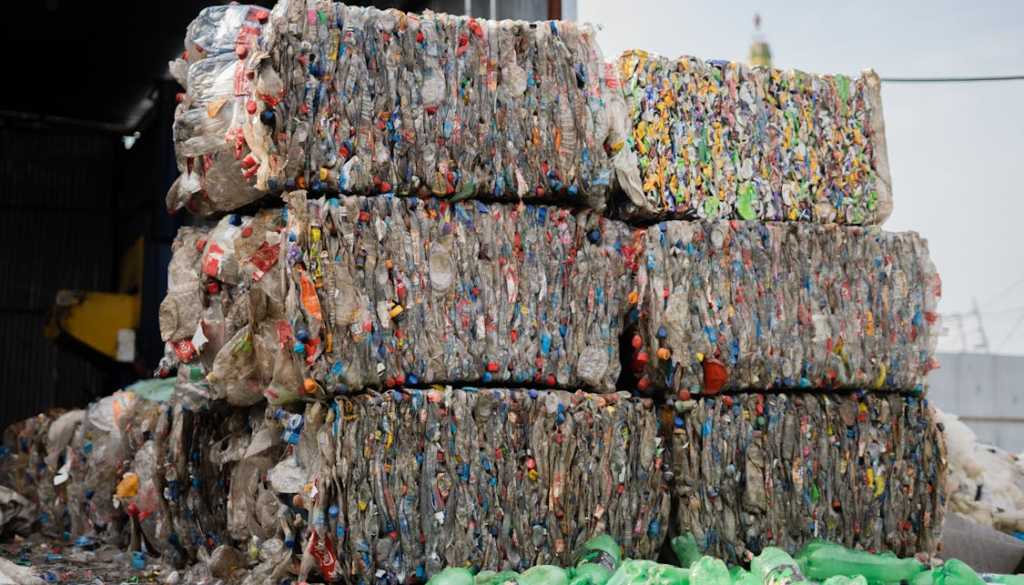

On a Saturday morning in Githurai estate, Nairobi, children are playing on shallow streams of murky water cutting across the road. Near the roadside, a heap of plastic bottles, milk packets and takeaway containers lies pressed against a blocked drainage channel.
In many of Nairobi’s densely populated estates, plastic waste has become part of the urban landscape. It hangs from fences, floats in puddles, clogs trenches and smoulders in smoky roadside fires. What begins as convenient packaging often ends up as a hazard, worsening floods, contaminating soils and releasing toxic fumes into the air
This week in Nairobi, the government signalled a shift from cleanup to systemic change, launching a new plastic circular investment initiative under the Kenya National Plastics Action Partnership.
The platform brings together government agencies, manufacturers, recyclers, financiers and environmental groups in a coordinated push to redesign how plastics are produced, used and recovered.
At the launch, Environment Principal Secretary Festus Ngeno described plastic pollution as more than just an eyesore.
“Plastic pollution is not just a waste problem. It is an environmental, economic and climate issue,” Ngeno said. “If we fail to rethink our systems, we will continue to damage our ecosystems and compromise our climate ambitions.”

Kenya has long been seen as a continental leader in the fight against plastic waste. The 2017 ban on plastic carrier bags was among the toughest in the world, dramatically reducing their visibility in supermarkets and streets. Later, single-use plastics were prohibited in protected areas.
But even with those measures, plastic consumption has continued to rise, driven by urban growth, packaged goods and changing lifestyles. Much of the waste still ends up in open dumpsites or waterways.
During heavy rains, blocked drains in estates across Nairobi cause flooding, sometimes sweeping plastic waste into homes. Along the coast, discarded plastics wash ashore, threatening marine life and tourism livelihoods.
Environmental experts warn that plastic pollution also contributes to climate change. Plastics are made largely from fossil fuels, and emissions are generated at every stage from extraction and production to disposal, especially when waste is burned in the open air.
Rather than treating plastic as disposable, the circular model seeks to keep materials in use for as long as possible through redesign, reuse and recycling, thereby reducing the demand for virgin plastic production and cutting emissions in the process.
“We are moving beyond isolated interventions,” Ngeno said. “This platform will help mobilise investment, scale innovation and ensure plastics remain in the economy and out of the environment.”
For people like 28-year-old Miriam, who collects plastic bottles from informal settlements and sells them to aggregators, the promise of a circular economy is personal.
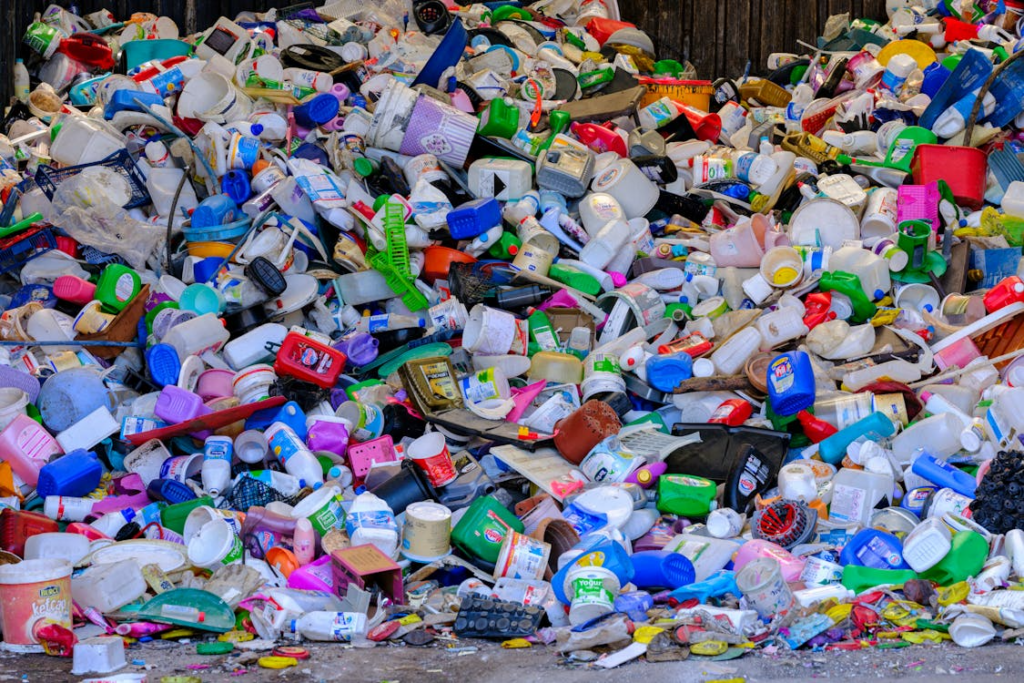
On a good day, she earns enough to feed her two children. On a bad day, fluctuating prices and poor collection systems mean she goes home almost empty-handed.
The government says integrating informal waste pickers into formal value chains is a key priority. By improving sorting systems, supporting recycling enterprises and encouraging manufacturers to use recycled content, officials hope to stabilise incomes while reducing pollution.
The initiative is also designed to unlock green financing by attracting investors to build recycling plants, develop alternative packaging and improve waste management infrastructure.
Kenya is already experiencing the harsh realities of climate change with prolonged, devastating floods in urban centres and shifting rainfall patterns that threaten agriculture. Plastic waste compounds these pressures. Clogged drainage intensifies flood damage. Polluted wetlands lose their ability to filter water and store carbon, while marine ecosystems, which are vital for fisheries and tourism, are weakened by microplastics.
By reducing plastic leakage into the environment, the circular initiative supports broader climate adaptation and mitigation efforts. Cutting reliance on virgin plastic production also lowers greenhouse gas emissions tied to fossil fuels.
Experts note that globally, a systemic shift to circular plastics management could drastically reduce pollution and significantly curb lifecycle emissions.
Speaking during the launch, PS Ngeno underscored the shared responsibility: “Government alone cannot solve the plastics crisis,” he said. “Producers must redesign packaging. Investors must support green solutions. Citizens must embrace responsible consumption. This is a collective journey.”
In the highly polluted Nairobi River, the flow of plastic waste continues. But with a coordinated investment push and renewed political will, officials hope the tide may finally begin to turn, transforming plastic from a symbol of environmental neglect into an opportunity for climate-conscious growth.