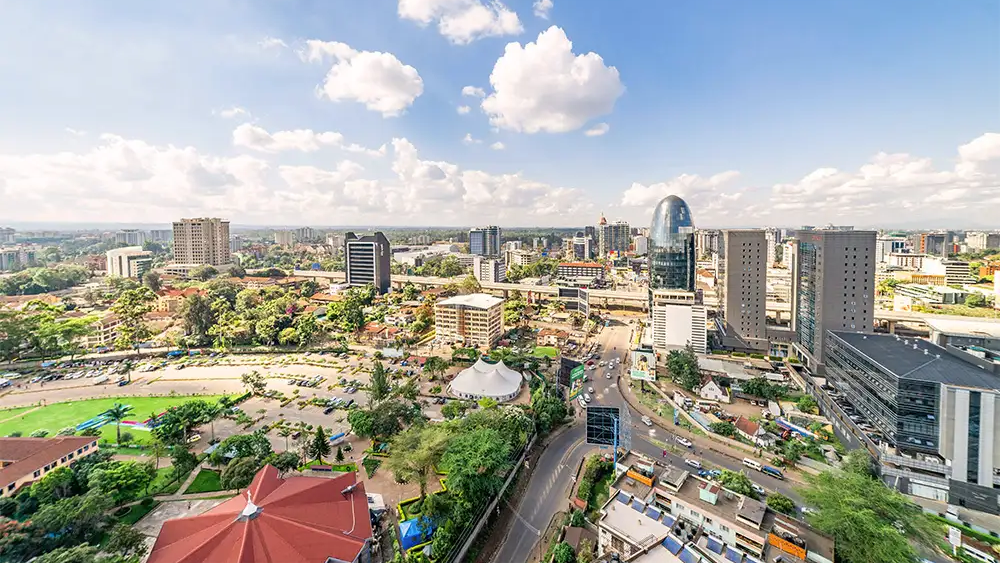

The scorching January–February heat has turned Nairobi’s streets into a simmering oven. Commuters flap makeshift fans in crowded matatus, drivers crank their car ACs to the max, and office workers pry open windows, hoping for even a whisper of relief from the relentless heat.
In Embakasi, the morning sun presses down on tin-roofed homes, turning rooms into stifling boilers before the day has even begun. In Pipeline and Githurai, boda boda riders huddle under the sparse trees that offer the only patches of shade, wiping sweat from their brows.
As Nairobi bakes under relentless heat, scientists say that when the right species of trees are planted in the right spots, they can turn streets and neighbourhoods into natural air-conditioned havens.
A recent analysis published on the global disaster risk platform PreventionWeb shows that well-planned urban tree cover can lower street-level temperatures by as much as 12°C in some cities. But the cooling effect depends on species choice, urban design and local climate conditions.
For Nairobi and other rapidly growing Kenyan cities, the findings land at a critical moment when Kenya is experiencing more frequent and intense heat episodes. The Kenya Meteorological Department has warned of rising average temperatures, particularly in urban areas where concrete, asphalt and iron-sheet roofs trap heat, a phenomenon known as the urban heat island effect.
Unlike rural areas with open soils and vegetation, cities absorb and retain heat during the day, releasing it slowly at night. The result is restless sleep, higher electricity bills for air conditioning and increased health risks, particularly for the elderly, children and people with cardiovascular conditions. Globally, nearly half a million deaths each year are linked to heat-related causes.
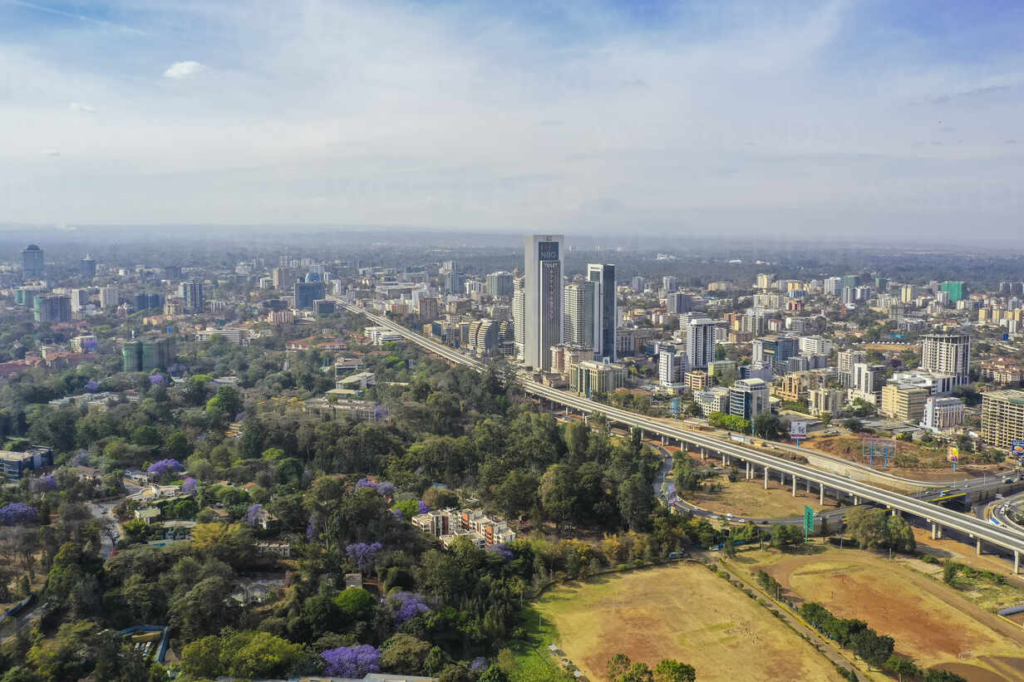
In densely populated estates like Mukuru, Mathare and Kibra, where ventilation is limited and tree cover sparse, the risks are compounded. Yet a short drive across town reveals a different reality. In parts of Runda or Gigiri, tree-lined avenues offer natural shade. Temperatures feel milder, even at peak afternoon hours, thanks to tree canopy cover.
According to the PreventionWeb report, trees cool cities in three powerful ways. First, they provide shade, blocking direct sunlight from heating buildings, roads and pavements. Second, through a process known as evapotranspiration, where trees release moisture from their leaves, which absorbs heat from the surrounding air, much like sweat cools the human body. Third, they influence airflow, reducing heat stagnation in built-up zones.
But experts caution that not all trees provide equal cooling. The PreventionWeb report highlights that in hot, humid climates, similar to parts of coastal Kenya, well-placed trees can significantly lower daytime temperatures. However, in some settings, dense canopies may trap heat at night if airflow is restricted. This is where urban planning becomes critical.
In Kenya, tree planting campaigns are common. Every rainy season, institutions, schools and community groups plant thousands of seedlings. The national government has set an ambitious target of growing 15 billion trees by 2032.
President William Ruto has framed tree planting as both a climate action and an economic opportunity. But urban ecologists say the success of such efforts will depend on more than numbers.
Indigenous species adapted to local climates tend to survive longer and require less water. In Nairobi, species such as croton, podo, and certain acacias offer broad canopies and resilience. Exotic ornamental trees, while attractive, may not always provide optimal shade or drought tolerance.
Equally important is where trees are planted. The PreventionWeb report says that planting along highways alone will not cool informal settlements. Nor will trees in gated communities address heat stress in densely populated estates.
Cooling benefits increase significantly when canopy cover rises beyond minimal levels, suggesting that fragmented planting efforts may have a limited impact.
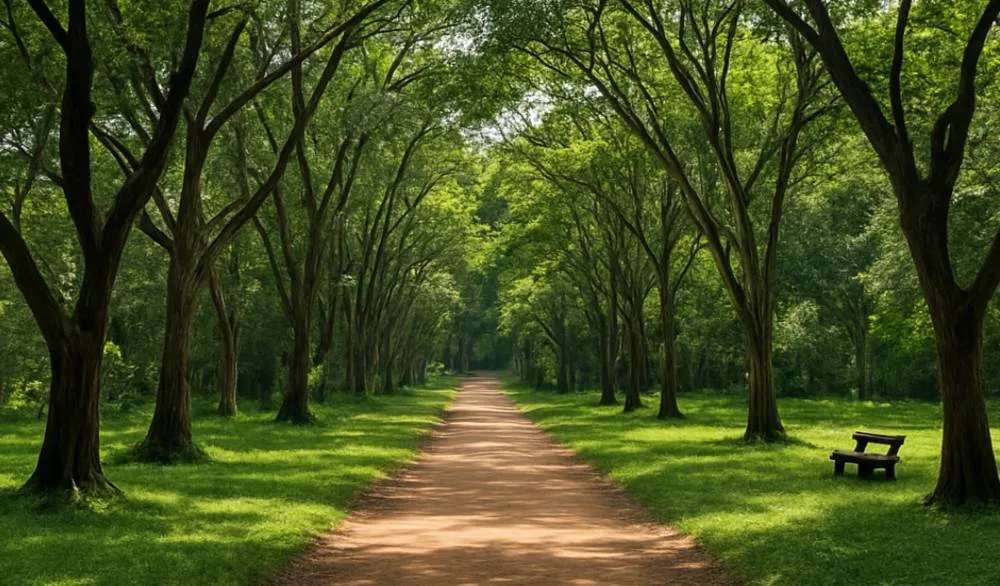
The report also reveals that heat is not felt equally. International research cited in the report found that wealthier neighbourhoods consistently have more tree cover than low-income ones. The same pattern is visible in Nairobi.
In Eastlands, where housing density is high and green space is limited, daytime heat can feel suffocating. Meanwhile, estates with established trees enjoy cooler microclimates.
The implications go beyond comfort. Excessive heat increases dehydration risks, worsens respiratory conditions and reduces worker productivity. For informal traders selling vegetables by the roadside or mechanics working under direct sun, shade can mean the difference between a tolerable day and a dangerous one.
Beyond cooling, trees also absorb carbon dioxide, helping mitigate climate change. Their roots stabilise soils and improve water absorption, reducing flash flooding during heavy rains, another climate-linked challenge Kenya has faced repeatedly.
During the 2024 floods that displaced thousands in Nairobi and other counties, areas with vegetation were less prone to rapid runoff than heavily paved zones. This means that by integrating tree planting with drainage planning, cities can tackle both heat and flood risks simultaneously.
One of the biggest challenges in Kenya is not planting trees; it is keeping them alive. Many seedlings planted during public drives fail within months due to poor aftercare, grazing or water stress. Experts argue that urban forestry must shift from ceremonial planting days to long-term maintenance programs.
As Nairobi expands toward satellite towns, planners face a choice: build expanses of concrete, or integrate green corridors from the outset.
The science is clear. Trees can reduce extreme heat exposure, lower energy demand for cooling, and improve mental well-being. But they must be thoughtfully selected and equitably distributed.
Back in Embakasi, a group of residents recently planted shade trees along a dusty footpath near a primary school. The seedlings are still small, barely reaching waist height. They offer little relief now. But in ten or fifteen years, if protected, they could transform the microclimate of that stree,t cooling classrooms, shading vendors and softening the relentless afternoon sun.