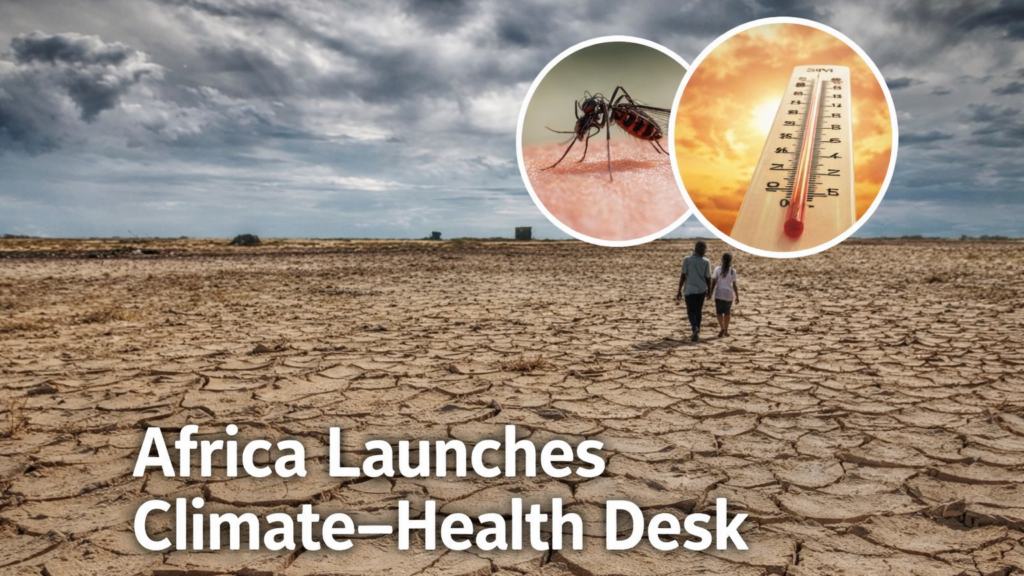

Africa has launched its first dedicated climate–health information hub to help governments translate climate and weather forecasts into early warnings for disease outbreaks and other health risks.
The Africa Climate–Health Desk was officially unveiled last Friday during the Africa Continental Climate Outlook Forum (ACCOF) in Kigali, Rwanda, marking a new step in linking climate science with public health decision-making across the continent.
The desk will serve as a regional platform that translates climate and weather data into practical guidance for health authorities, allowing them to anticipate climate-sensitive diseases such as malaria, cholera and heat-related illnesses.
Climate and health experts said the initiative responds to growing evidence that climate variability and extreme weather events are reshaping disease patterns in Africa.
The Climate–Health Desk is designed to bridge a long-standing gap between meteorological agencies and health ministries. While weather and climate data are widely produced across Africa, public health officials often lack tools to convert that information into actionable warnings.
Using the new desk, seasonal climate outlooks, rainfall predictions, and temperature forecasts will be translated into health advisories to guide governments on preparedness measures, including vaccine deployment, mosquito control campaigns, and emergency health responses.
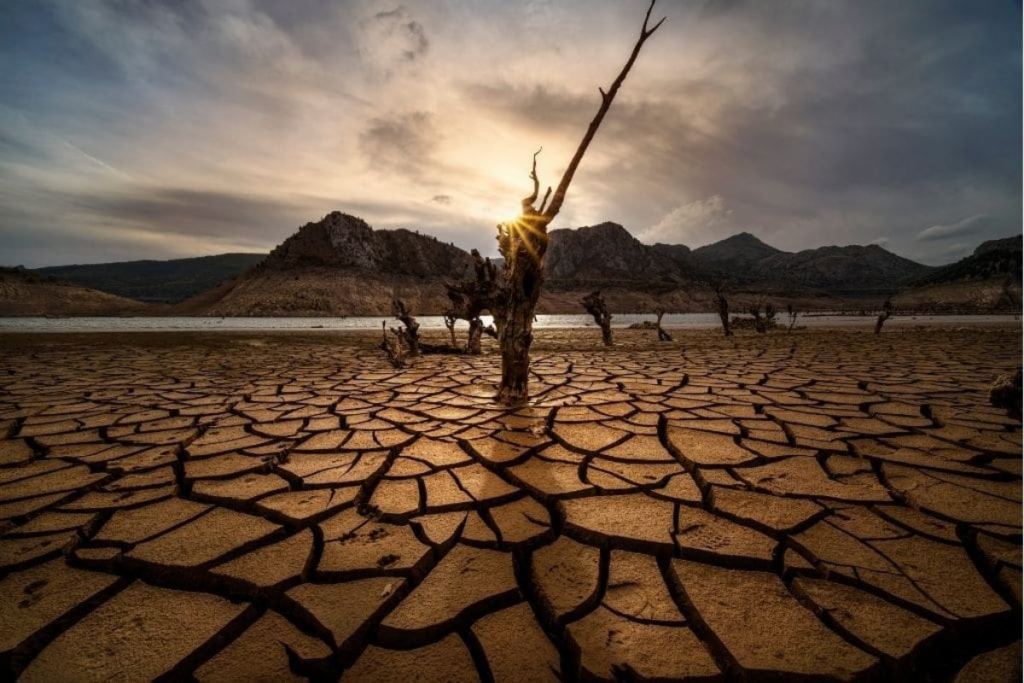
Organisers said the platform will help health authorities answer practical questions such as where disease outbreaks are likely to occur following heavy rains, when extreme heat could threaten vulnerable populations, or how drought conditions may increase malnutrition and water-borne diseases.
The desk is supported by the global climate-health platform, ClimaHealth, and aims to strengthen collaboration between meteorological institutions, public health agencies and climate researchers.
Scientists warn that climate change is already intensifying many of the environmental conditions that influence disease transmission across Africa.
Rising temperatures can expand the geographic range of disease-carrying mosquitoes, while floods and storms can contaminate water sources and increase outbreaks of cholera and other diarrheal diseases. Heatwaves are also becoming more frequent, posing risks particularly to children, the elderly and outdoor workers.
Public health systems across the continent have struggled to keep pace with these shifting patterns. Experts say integrating climate information into health planning is increasingly essential as extreme weather events become more frequent.
The launch at ACCOF brings together climate scientists, meteorological agencies, policymakers and development partners from across Africa. The forum regularly produces seasonal climate outlooks that guide agriculture, disaster preparedness and water management decisions across the continent.
By embedding a climate–health desk within the forum’s framework, organisers hope health officials will be able to benefit from the same forecasting systems already used by farmers and disaster response agencies.
The new platform is also expected to support training and capacity building for health professionals, helping them interpret climate forecasts and integrate them into disease surveillance and preparedness planning.
The Africa Climate–Health Desk forms part of a broader push worldwide to strengthen climate-informed health systems.
International health organisations have increasingly urged governments to integrate climate data into health planning, arguing that early warning systems can save lives by giving communities time to prepare for climate-related health threats.